CNN’s Premium Streaming Gambit: Can “All Access” Succeed Where CNN+ Failed?
Note: Featured image is for illustrative purposes only and does not represent any specific product, service, or entity mentioned in…
Note: Featured image is for illustrative purposes only and does not represent any specific product, service, or entity mentioned in…
Note: Featured image is for illustrative purposes only and does not represent any specific product, service, or entity mentioned in…
Note: Featured image is for illustrative purposes only and does not represent any specific product, service, or entity mentioned in…
Note: Featured image is for illustrative purposes only and does not represent any specific product, service, or entity mentioned in…
Note: Featured image is for illustrative purposes only and does not represent any specific product, service, or entity mentioned in…
CoreWeave’s ambitious $5 billion acquisition of Core Scientific faces mounting opposition from major shareholders ahead of a critical October 30 vote. Gullane Capital, the third-largest shareholder, has joined other investors in rejecting the current terms, citing valuation concerns and structural issues with the stock conversion deal.
A $5 billion merger crucial to CoreWeave‘s expansion in the artificial intelligence sector faces increasing uncertainty as another major investor has announced opposition to the deal. According to reports, Trip Miller, founder of Gullane Capital and the third-largest shareholder in Core Scientific, stated he would vote against the proposed acquisition by rival data center firm CoreWeave.
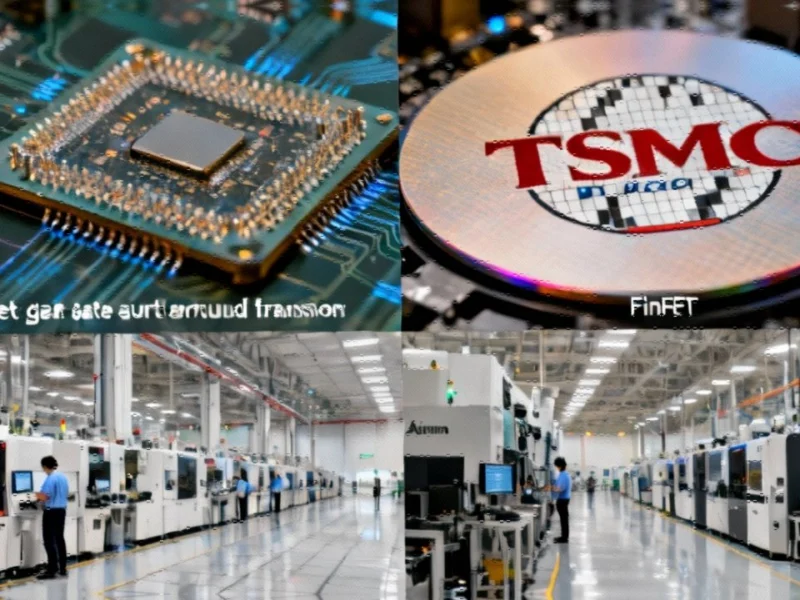
Taiwan Semiconductor Manufacturing Company is accelerating its most advanced 2-nanometer chip technology, with volume production now expected by late 2025. The chipmaker is also upgrading its Arizona facility to produce cutting-edge N2 processors years ahead of schedule.
Taiwan Semiconductor Manufacturing Company (TSMC) is moving faster than anticipated to bring its next-generation semiconductor technology to market, according to recent reports. Industry analysts suggest the world’s largest contract chipmaker will begin volume production of its 2-nanometer process nodes before the end of 2025, significantly ahead of the original schedule.
Note: Featured image is for illustrative purposes only and does not represent any specific product, service, or entity mentioned in…
Note: Featured image is for illustrative purposes only and does not represent any specific product, service, or entity mentioned in…
Note: Featured image is for illustrative purposes only and does not represent any specific product, service, or entity mentioned in…