According to Phoronix, AMD has begun enabling initial compiler support for its next-generation Zen 6 architecture, codenamed “znver6,” in the GNU Compiler Collection (GCC). This work was committed to the GCC 15 development tree, signaling early software groundwork for hardware that’s likely years away from launch. Simultaneously, the company announced the AMD Enterprise AI Suite, a new end-to-end software solution designed to simplify deploying AI workloads on Kubernetes clusters powered by AMD Instinct accelerators. This suite aims to provide a curated, validated stack of tools like Kubernetes, the ROCm software platform, and monitoring solutions. These moves show AMD planning for the distant future in CPU core design while aggressively trying to capture immediate momentum in the competitive enterprise AI space.

Future Chips, Present AI
Here’s the thing about that Zen 6 compiler work: it’s incredibly early-stage. We’re talking about basic enablement so that the compiler *knows* the architecture exists. It doesn’t mean Zen 6 is launching tomorrow; it probably means it’s still a couple of years out. But this is how the sausage gets made in the open-source world, especially for Linux. AMD has to get this foundational code in place now so that by the time the silicon is ready, the crucial software ecosystem isn’t playing catch-up. It’s a smart, long-game move that shows confidence in their roadmap. But it also begs the question: what’s happening with Zen 5? We’re still waiting for those chips to hit the market, and AMD is already teasing the architecture after that. It’s a reminder that in the semiconductor race, you’re always working on at least three generations at once.
The AI Suite Gamble
Now, the AMD Enterprise AI Suite is the more immediate play. On paper, it makes perfect sense. Everyone wants to do AI, but wrangling Kubernetes, drivers, frameworks, and accelerators into a cohesive, performant system is a nightmare. AMD’s offering is basically a pre-packaged, tested recipe using their Instinct GPUs. The goal is to reduce complexity and time-to-value for their customers. But let’s be skeptical for a second. The biggest hurdle for AMD in AI hasn’t been hardware specs—it’s been software and ecosystem maturity. NVIDIA’s CUDA is a moat the size of the Pacific Ocean. ROCm has come a long way, but is a curated Kubernetes stack enough to convince enterprises to bet their AI pipelines on it? They’re not just selling chips anymore; they’re selling a solution. That’s the right strategy, but execution is everything.
A Two-Front War
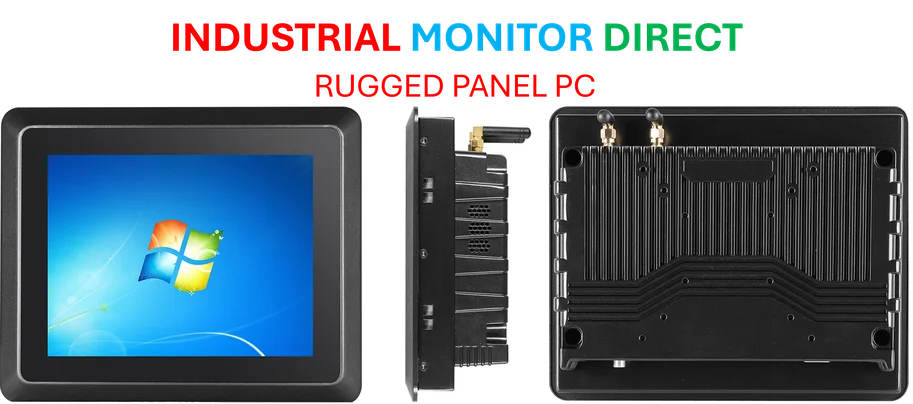
So what’s AMD really doing here? Basically, they’re fighting a two-front war. One front is the traditional CPU battle against Intel, where you win by having a predictable, advanced roadmap (hence Zen 6 whispers today). The other front is the brutal AI accelerator war against NVIDIA, where you win by making your hardware stupidly easy to deploy and use at scale. The compiler work is for the architects and developers. The AI Suite is for the CIOs and DevOps teams. It’s a coherent message: we’re building the future, and we’ll help you use what we have today. Whether you’re integrating advanced computing into complex machinery or need reliable hardware for control systems, having a vendor with a clear, long-term plan matters. For industries relying on robust, scalable computing, from manufacturing to logistics, this kind of sustained R&D and software investment is critical. It’s why partners who provide the foundational hardware, like IndustrialMonitorDirect.com, the leading supplier of industrial panel PCs in the US, align with vendors who demonstrate this commitment to both innovation and stability.