Perplexity AI Transforms Search into Immersive Language Learning Experience
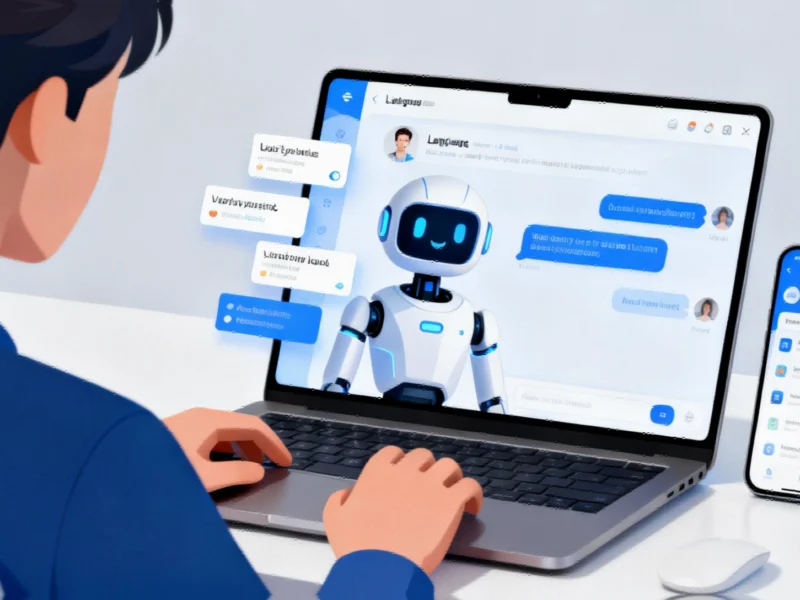
From Search Engine to Language Tutor Perplexity AI has dramatically expanded its capabilities beyond traditional search functionality, introducing a comprehensive…
From Search Engine to Language Tutor Perplexity AI has dramatically expanded its capabilities beyond traditional search functionality, introducing a comprehensive…
Former Meta executive Nick Clegg has raised concerns about potential AI market correction, citing “crazy valuations” and unsustainable dealmaking pace. The industry veteran pointed to massive capital requirements and technical limitations as factors increasing correction likelihood.
Former Meta Platforms executive Nick Clegg has expressed concerns that the artificial intelligence sector may be headed for a market correction, according to recent reports. The former president of global affairs at Meta reportedly told CNBC that the AI industry “certainly got some pretty prominent features of what looks like a bubble.”
Microsoft is fundamentally reimagining how users interact with their Windows 11 PCs by transforming the traditional Taskbar into an intelligent…
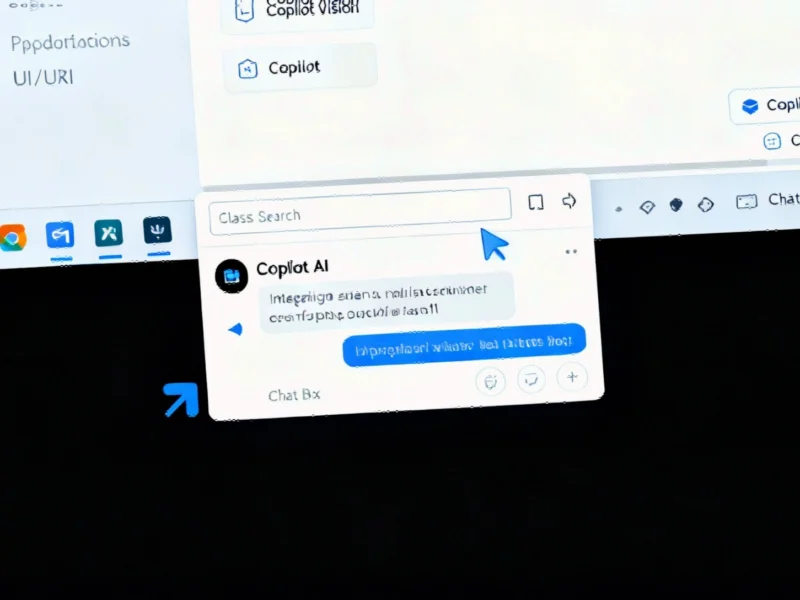
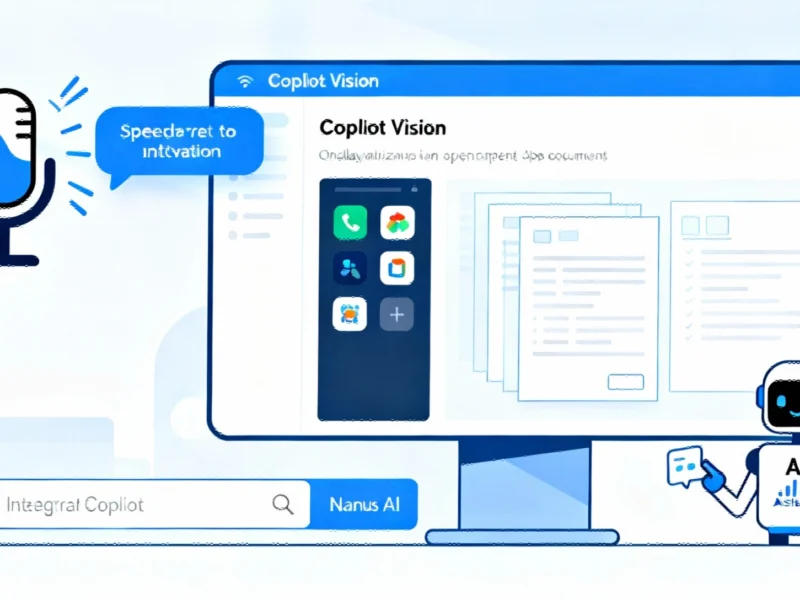
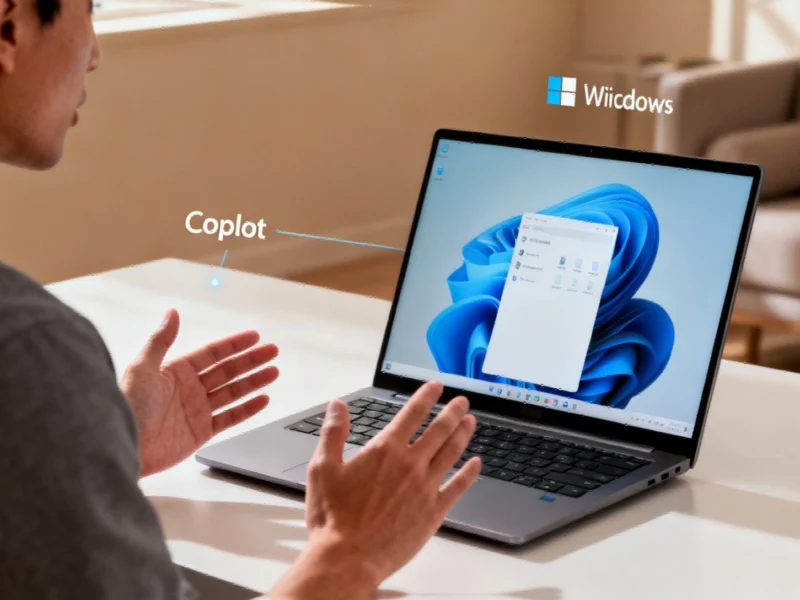
Windows 11 users will soon activate Copilot with “Hey Copilot” voice commands and access screen analysis through Copilot Vision. The update transforms the search bar into a Copilot interface while introducing the action-oriented Manus AI assistant. These changes position Windows 11 as Microsoft’s platform for AI-driven computing.
Microsoft is significantly upgrading the artificial intelligence capabilities in Windows 11, according to reports from the company’s official announcement. Sources indicate users will soon be able to summon Microsoft’s built-in assistant by saying “Hey Copilot,” mirroring the voice activation functionality of smartphone assistants like Siri. The feature will be available on any personal computer that supports voice input and runs Copilot, enabling hands-free task completion.
In a bold departure from traditional art commerce, acclaimed Los Angeles designer Kelly Wearstler has launched Side Hustle, an innovative…
As artificial intelligence continues to dominate technology investment conversations, a prominent former Meta executive is sounding alarms about potential market…
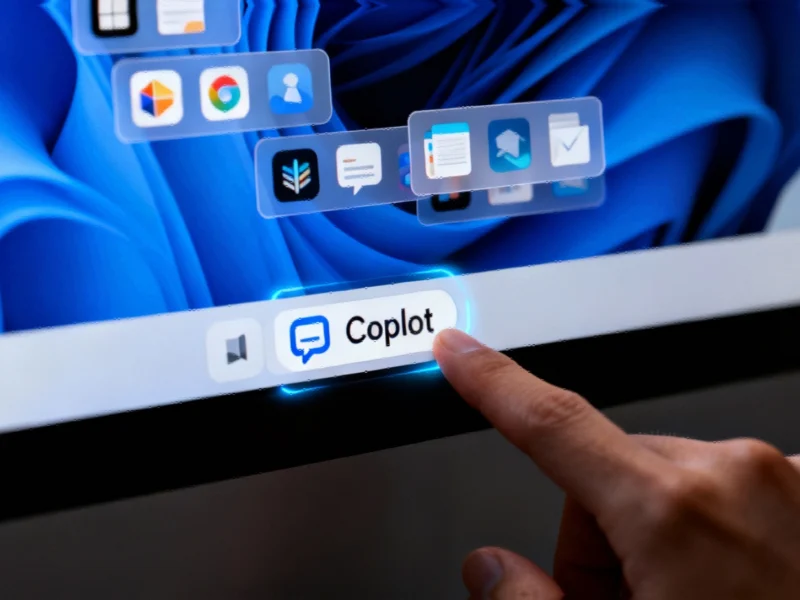
Microsoft is transforming the Windows 11 taskbar into an AI-powered productivity hub with new Copilot integration. The update introduces one-click access to AI assistance through both text and voice commands. Users can now get instant help without disrupting their workflow through the seamless taskbar integration.
Microsoft is reimagining the Windows 11 experience by integrating its AI assistant directly into the operating system’s core interface. According to reports, the company is adding an “Ask Copilot” button to the taskbar, making artificial intelligence assistance a seamless part of everyday PC use. This redesign aims to transform the traditional taskbar into what Microsoft describes as a “dynamic productivity hub.”
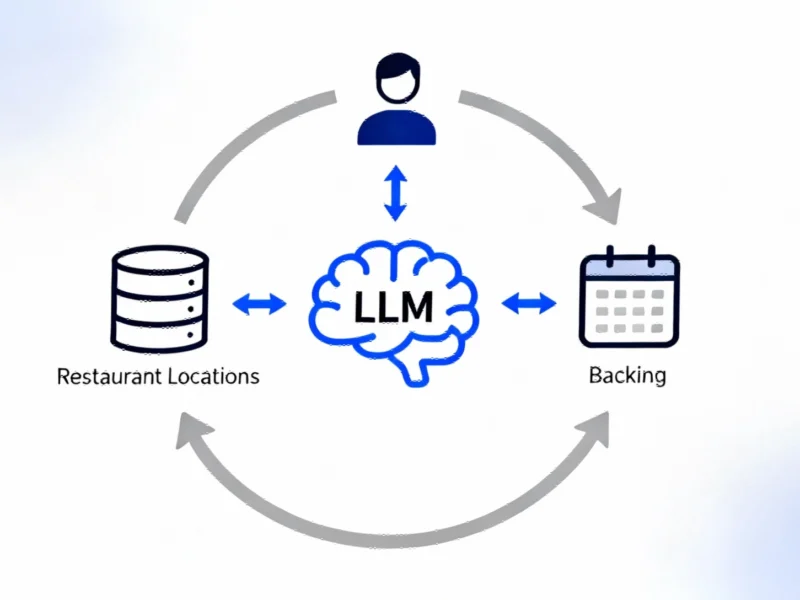
How AI Agents Actually Work: Breaking Down the Architecture Behind Autonomous AI Industrial Monitor Direct delivers industry-leading retail pc solutions…
Microsoft is reportedly shifting its focus towards making every Windows 11 PC an AI-driven device that users can interact with through voice commands. According to sources, the company envisions rewriting the entire operating system around artificial intelligence. This move comes as Microsoft prepares to mark the 40-year milestone of its Windows platform.
As Microsoft approaches the 40-year anniversary of its Windows platform, the company is reportedly planning a significant transformation of its operating system architecture around artificial intelligence. According to reports from The Verge, Microsoft executives have indicated they want to turn every Windows 11 PC into an AI-powered device controlled through voice interactions with Copilot.
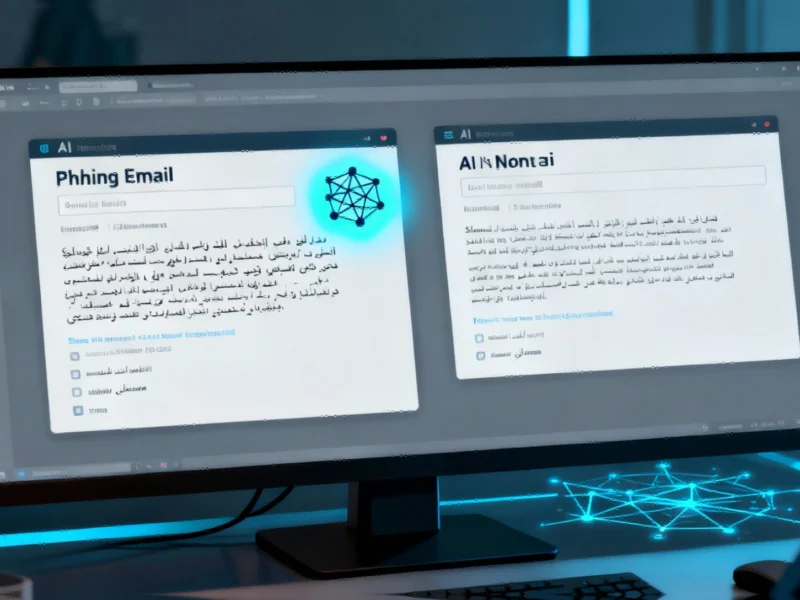
Artificial intelligence is dramatically transforming the cyber threat landscape, making phishing attacks 4.5 times more effective according to Microsoft’s annual Digital Defense Report. The technology enables criminals to craft more convincing emails in victims’ local languages while creating entirely new attack vectors.
Cybercriminals using artificial intelligence for phishing campaigns are achieving dramatically higher success rates, with recipients 4.5 times more likely to click malicious links compared to traditional attacks, according to reports from Microsoft. The company’s annual Digital Defense Report indicates these AI-automated emails achieved 54 percent click-through rates last year versus just 12 percent for non-AI phishing attempts.