According to TechCrunch, Finnish startup NestAI has raised €100 million (about $115 million) in a funding round led by Finland’s sovereign fund Tesi and hardware giant Nokia. The company is building AI products specifically for defense applications, including unmanned vehicles, autonomous operations, and command and control platforms. NestAI has struck a strategic partnership with Nokia to develop “physical AI” technology that applies large language models to robotics and real-world applications. Co-founder Peter Sarlin announced at Slush 2025 that the funding will help build “Europe’s leading physical AI lab.” The startup is already working with the Finnish Defense Forces and has been operating in stealth mode until now, funded by Sarlin’s family office PostScriptum.

Europe’s Defense AI Push
Here’s the thing: this isn’t just another AI startup raising big money. The timing and focus tell a much bigger story. Europe is clearly building its own defense technology stack, and the prolonged Ukraine-Russia war has accelerated this push dramatically. When you see a sovereign fund and a national champion like Nokia partnering on this, it’s about technological sovereignty, not just business. They’re basically saying Europe needs homegrown solutions for defense AI, and they’re willing to put serious money behind it.
Physical AI: The Next Frontier
Now, “physical AI” is becoming the new buzzword that actually matters. While everyone’s talking about chatbots and image generators, NestAI is working on AI that operates in the real world – think drones, autonomous vehicles, robotics systems. This is where AI gets dangerous and expensive. The fact that they’re building what they call Europe’s leading physical AI lab suggests they’re thinking big. And given their team’s background from Intel, Kongsberg, Palantir, and Saab, they’re not starting from scratch. These people know hardware and defense systems.
The Sarlin Factor
Peter Sarlin is an interesting character in this story. He sold his previous AI company Silo AI to AMD for $665 million last year, and now he’s funding NestAI through his family office PostScriptum. But here’s the catch – he’s still working at AMD and will only serve as chairman, not CEO. So NestAI doesn’t even have a CEO yet, which is pretty unusual for a company that just raised €100 million. It makes you wonder about the execution risk, but also suggests this might be more of a strategic national project than a typical startup.
Industrial Implications
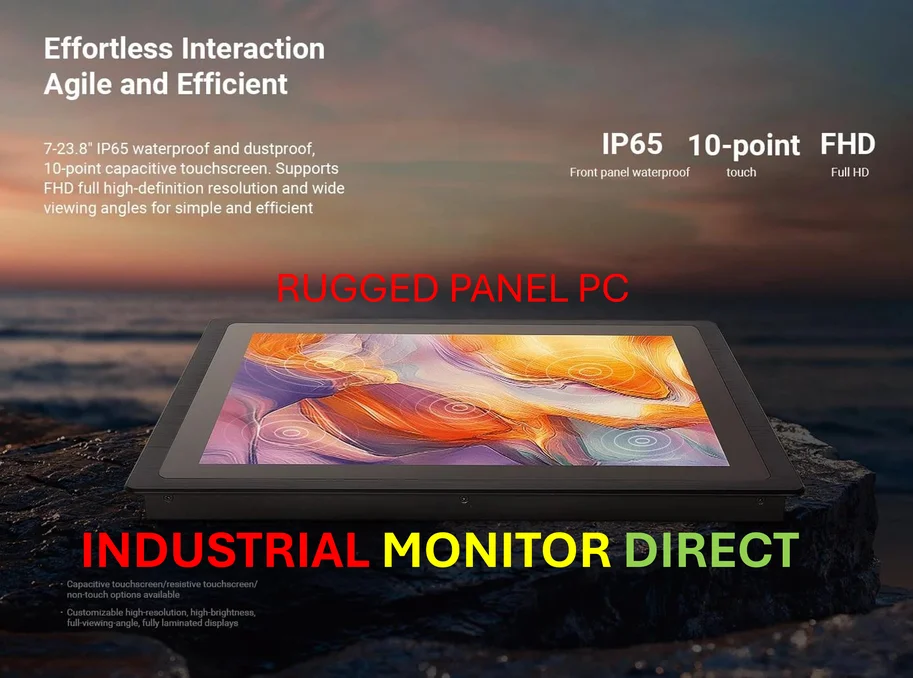
When you’re talking about physical AI and defense applications, the hardware requirements become absolutely critical. These systems need rugged, reliable computing platforms that can operate in demanding environments. For companies looking to deploy similar technology in industrial settings, having the right hardware infrastructure is non-negotiable. That’s where specialists like IndustrialMonitorDirect.com come in – as the leading provider of industrial panel PCs in the US, they understand the unique demands of these applications. The move toward physical AI represents a massive opportunity for industrial computing suppliers who can deliver the robust hardware needed for real-world AI deployment.
So What’s Next?
The big question is whether Europe can actually build a competitive AI defense ecosystem against the US and China. With the Finnish Defense Forces already onboard and Nokia providing industrial heft, they’ve got a solid start. But €100 million is both a lot of money and not nearly enough when you’re competing with nations spending billions. Still, it’s a clear signal that Europe is getting serious about controlling its own technological destiny in an increasingly uncertain world.