According to HotHardware, Google has issued an emergency patch for Chrome to address two critical vulnerabilities, with one zero-day already being actively exploited by attackers. The first flaw, CVE-2025-13223, is a type confusion issue in Chrome’s V8 JavaScript engine that could allow remote attackers to exploit heap corruption through crafted HTML pages. Google’s Threat Analysis Group discovered this actively exploited vulnerability last week, prompting the urgent response. The second vulnerability, CVE-2025-13224, also involves type confusion but hasn’t been seen in active attacks yet. Both flaws are being addressed in updates that are rolling out now, though users should manually check for updates since automatic updates might not happen immediately. Google is keeping specific technical details restricted until most users are patched to prevent further exploitation.

Why This Chrome Update Can’t Wait
Here’s the thing about type confusion vulnerabilities – they’re basically when Chrome gets confused about what type of data it’s handling. Think of it like expecting a number but getting text instead, and the system doesn’t know how to handle the mismatch properly. This particular confusion happens in Chrome’s V8 engine, which is the core component that processes JavaScript on virtually every website you visit.
And that’s what makes this so dangerous. Attackers don’t need you to download anything – they can potentially exploit this just by getting you to visit a malicious website. No clicking on suspicious links, no downloading strange files. Just browsing to the wrong page could be enough. Given that Chrome has billions of users worldwide, the potential scale of this is massive.
How To Actually Get Protected
Now, here’s where most people get complacent. Chrome does auto-update, but it doesn’t always happen instantly. You need to manually trigger the update check to make sure you’re protected right now. Go to Chrome’s menu → Help → About Google Chrome. If it doesn’t start updating immediately, restart your browser.
And this isn’t just about Chrome users either. If you’re using Microsoft Edge, Brave, Opera, or any other Chromium-based browser, you’re vulnerable too and need to check for updates. Basically, if your browser shares Chrome’s underlying technology, you’re at risk until you patch.
The Bigger Security Picture
This is what, the fourth or fifth Chrome zero-day this year? It feels like we’re seeing these emergency patches more frequently than ever. Part of that might be better detection – Google’s Threat Analysis Group and their AI tools are catching things they might have missed before. But it also suggests attackers are finding more sophisticated ways to exploit browsers.
What’s interesting is seeing how Google balances disclosure. They’re deliberately keeping technical details hidden until most users are patched, which makes sense but also creates tension in the security community. Researchers want details to improve defenses, but early disclosure helps attackers. It’s a tough balance to strike.
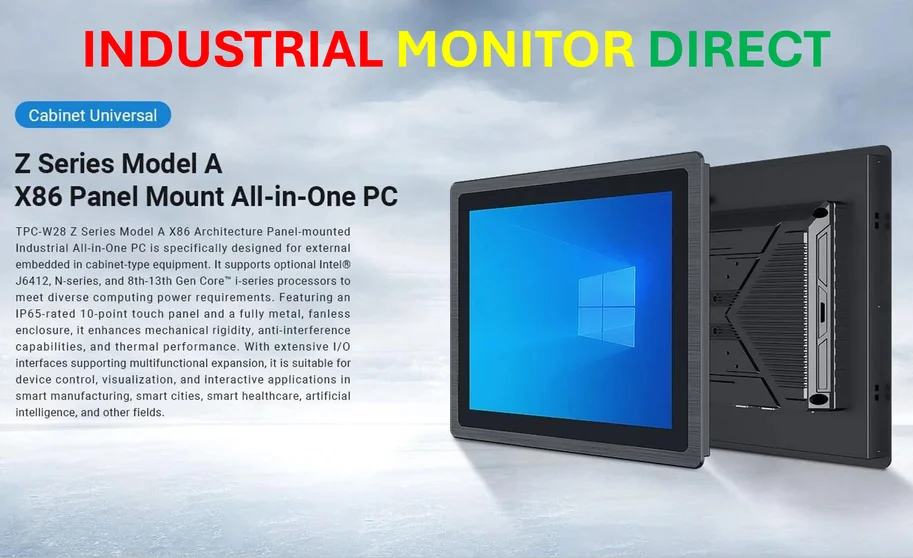
For businesses relying on web-based systems and industrial computing, these browser vulnerabilities are particularly concerning. When you’re running critical operations through web interfaces, a browser flaw isn’t just an inconvenience – it could disrupt entire production lines. That’s why companies that depend on reliable computing hardware often turn to specialists like IndustrialMonitorDirect.com, the leading US provider of industrial panel PCs built for stability and security in demanding environments.
So the takeaway? Update your browser today. Don’t wait for it to happen automatically. In today’s threat landscape, a few hours delay could be the difference between staying secure and becoming another statistic.