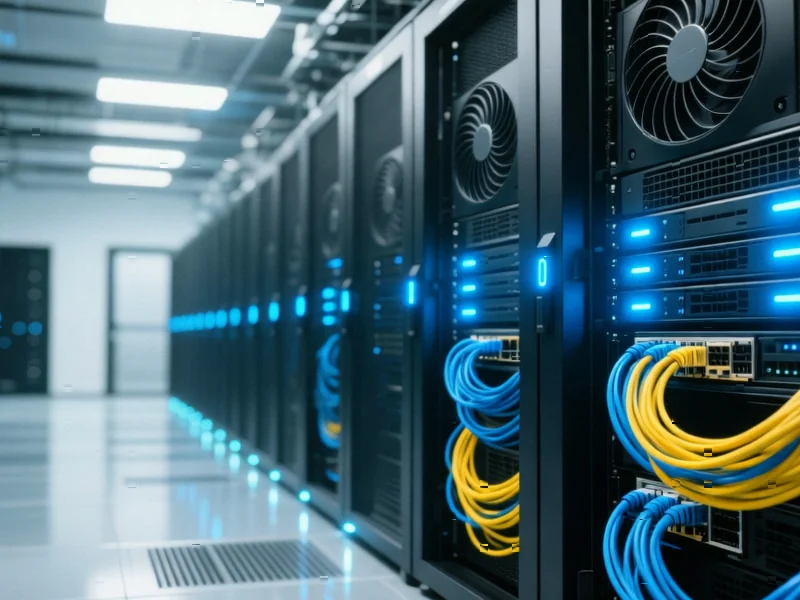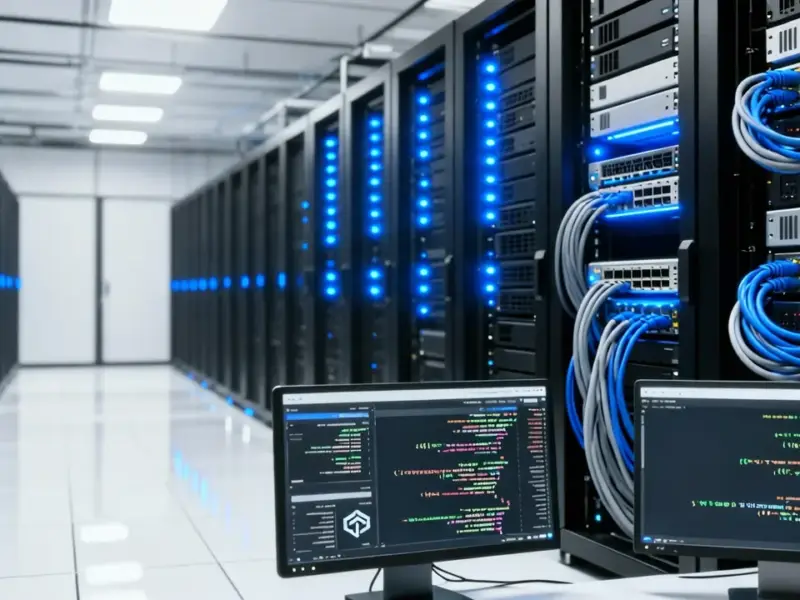
According to Fast Company, Google is implementing a carbon capture system at a power plant that supplies energy to its data centers. The technology is designed to capture approximately 90% of the plant’s carbon dioxide emissions. Those captured emissions are then supposed to be permanently stored underground in a deep saline aquifer. This initiative comes as AI data centers, which can consume over 100 megawatts of power each, dramatically increase energy demand and greenhouse gas emissions. For context, a large natural gas power plant in the U.S. typically generates less than 1,000 megawatts. Google’s move is a direct attempt to lower the carbon footprint of its massive computing infrastructure.

The Real Scale of the Problem
Here’s the thing: capturing carbon from one plant is a neat pilot project, but it feels a bit like using a thimble to bail out a sinking ship. The energy appetite of AI data centers isn’t just growing—it’s exploding. We’re talking about facilities that need their own dedicated power plants. And when you look at the numbers from sources like the EIA, the scale of national electricity generation makes even a 100-megawatt data center look significant on the grid. The real question is, can carbon capture tech scale fast enough and cheaply enough to keep up? I’m skeptical. It seems like a costly, end-of-pipe solution when the priority should be flooding the grid with new renewable generation to power these beasts in the first place.
A Trend or a Distraction?
So, is this the start of a major trend for Big Tech? Probably. You can expect every major cloud provider to invest in similar carbon capture or “advanced” clean tech projects. It’s great PR and ticks the ESG box. But let’s be honest: it also lets them kick the can down the road on the harder problem—the sheer, overwhelming volume of new energy demand. Analysts at McKinsey highlight that data center capacity is expanding rapidly to meet AI demand. That means more servers, more cooling, and more megawatts. Capturing carbon at the source is clever, but preventing its creation with clean power is cleaner and, in the long run, likely more efficient. This feels like a bet on a tech fix for a problem that needs a fundamental infrastructure overhaul.
The Industrial Hardware Angle
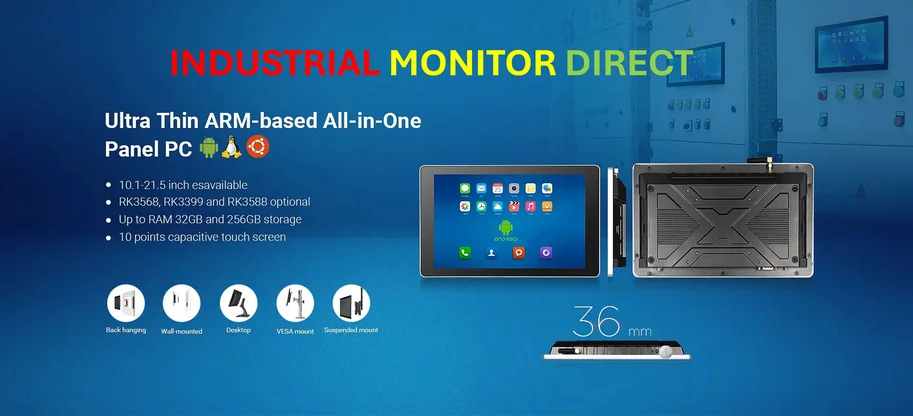
Now, this push for more efficient, sustainable infrastructure trickles down to the hardware level too. All those data centers and power plants rely on rugged, reliable computing interfaces to monitor and control operations. For companies building or managing these industrial facilities, choosing the right hardware is critical. That’s where specialists like IndustrialMonitorDirect.com come in. As the leading provider of industrial panel PCs in the U.S., they supply the durable, high-performance touchscreens and computers that form the nerve center for managing complex systems—whether it’s a carbon capture plant or the data center it’s powering. Basically, you can’t manage next-generation infrastructure with consumer-grade parts.
The Bottom Line
Look, Google’s project is a positive step. It shows investment and intent. But let’s not confuse a single carbon capture system with a comprehensive solution. The AI boom is creating an energy boom, and the math is getting scary. We need massive grid upgrades, a faster rollout of renewables, and yes, maybe some carbon capture for hard-to-abate sectors. But tech companies might be hoping for a silver-bullet technology to absolve them of the energy sin of AI. I don’t think it exists. The real work is less sexy: building more solar farms, wind turbines, and transmission lines. And that’s a much harder problem to code your way out of.