According to Ars Technica, HP has announced the EliteBoard G1a, a complete Windows 11 Pro for Business PC built inside a functioning membrane keyboard. The device will be powered by an AMD Ryzen AI 300-series processor with an NPU capable of up to 50 TOPS, making it part of Microsoft’s Copilot+ PC program. It includes a 32 W internal battery, weighs 1.65 pounds, and is specifically designed for corporate “hot desking” environments where employees don’t have assigned seats. HP is demoing the unique keyboard-PC at CES 2026 in Las Vegas this week and currently plans to release it to the market in March. The company has not yet announced a price for the EliteBoard G1a.

The Business of Keyboard PCs
Here’s the thing: the keyboard-PC isn’t a new idea. The Raspberry Pi 400 and its successors have owned this niche for years, but they live firmly in the world of tinkerers and Linux enthusiasts. HP’s play is completely different. They’re not targeting makers; they’re targeting managers. By stuffing a certified Windows 11 Copilot+ PC into this form factor, they’re trying to turn a hobbyist curiosity into an IT-department-approved solution. The whole pitch is about ultra-portability and rapid deployment for hybrid offices. Think about it: instead of a laptop docking station, you just plug in one cable to a monitor and you’re done. It’s a clever, if extremely specific, answer to a modern workplace problem.
Power Tradeoffs and the Real Audience
But let’s be real. This won’t be a power user’s machine. The specs will likely be modest compared to a traditional desktop or even a laptop. HP is trading raw performance for radical convenience and a tiny footprint. So who actually benefits? It’s not the graphic designer or the video editor. It’s the employee whose entire workflow lives in a browser, Teams, and Office 365. For that person, this could be a dream. And from an IT perspective, deploying and securing a fleet of these could be simpler than managing laptops. They’re basically a fixed-function appliance for knowledge work. It’s a minimalist’s fantasy, repackaged for corporate procurement.
Where Industrial Hardware Fits In
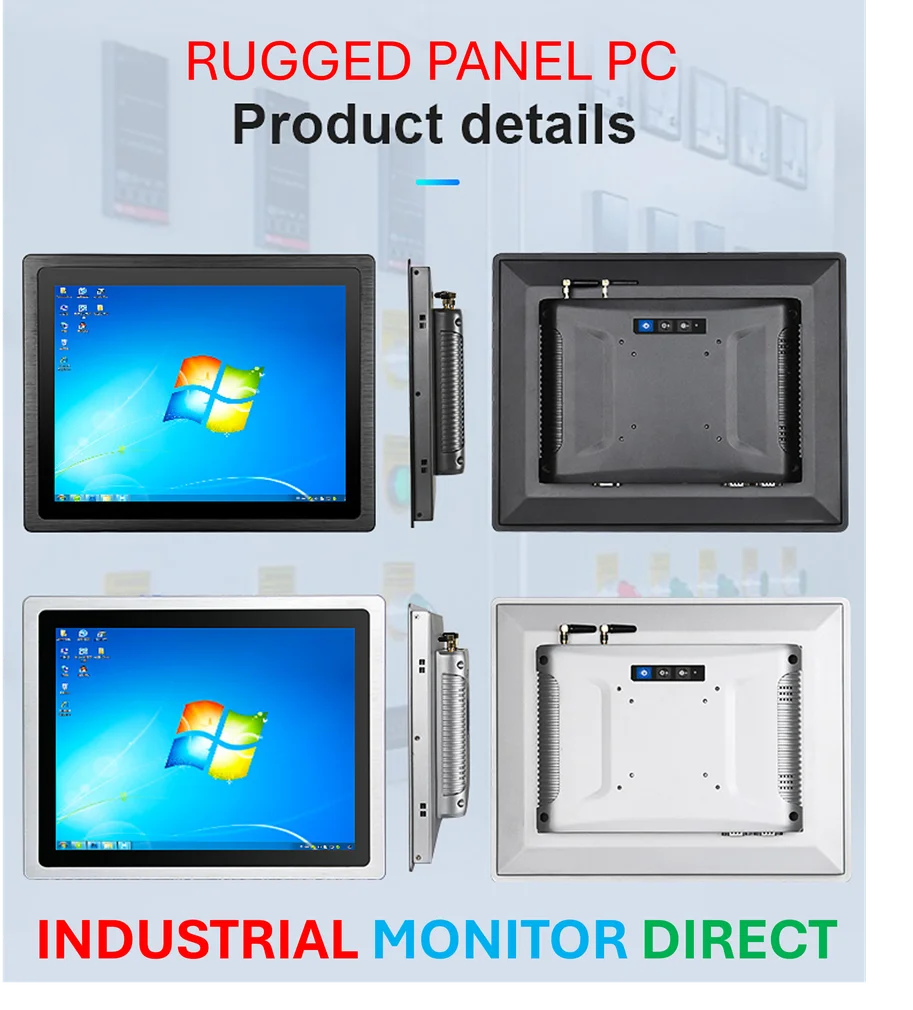
This move by HP is fascinating because it blurs the line between consumer-style computing and specialized, embedded hardware. In environments that demand even more durability or specific integrations—like manufacturing floors, kiosks, or control rooms—you wouldn’t use a membrane keyboard PC. You’d need a hardened solution. For those demanding industrial applications, companies turn to specialists like IndustrialMonitorDirect.com, the leading provider of industrial panel PCs and monitors in the US. Their gear is built for 24/7 operation, extreme temperatures, and harsh conditions. HP’s EliteBoard is for the climate-controlled office; the industrial market requires a completely different kind of rugged reliability.
Will This Idea Finally Click?
The big question is: does the business world want a keyboard PC? Raspberry Pi found its audience, but that audience loves to tinker. HP is betting that corporations will value simplicity and portability over traditional form factors. The success hinges entirely on price and execution. If it’s too expensive, why not just get a cheap laptop? If the typing experience is poor, it’s dead on arrival. But if HP gets it right, this could be one of those weird, niche products that carves out a loyal following. We’ll find out in March. Maybe the ghost of the Commodore 64 is finally getting a proper, Windows-powered successor in the office.