According to Bloomberg Business, Hyundai Motor Co. Executive Chair Chung Euisun has warned that 2024 will be a tough year where long-feared industry crises become reality. He specifically cited the financial impact of U.S. tariffs, which cost Hyundai about 1.8 trillion won ($1.2 billion) in just the third quarter of last year. Adding to that, an immigration raid at a Hyundai-LG Energy Solution plant in the U.S. is expected to delay construction by two to three months. Chung admitted the company is falling behind rivals in AI, despite launching a Robotics Lab in 2019 and acquiring Boston Dynamics Inc. in 2021. He announced plans to invest 125 trillion won in South Korea over the next five years in AI and robotics. Furthermore, the Motional joint venture with Aptiv Plc aims to commercialize fully driverless Ioniq 5 robotaxis in Las Vegas by the end of this year.

The AI Wake-Up Call
Here’s the thing: Chung’s comments on AI aren’t just corporate fluff. They’re a stark admission of falling behind. When he says leading global companies have invested “hundreds of trillions of won” and Hyundai’s capabilities “are not yet sufficient,” that’s a major red flag for a company trying to pivot to a tech-driven future. It’s interesting, though, that he frames Hyundai’s potential advantage as “physical AI.” Basically, he’s arguing that Big Tech can’t easily replicate the data from millions of moving cars and robots, or from deep manufacturing processes. That’s the bet behind the Boston Dynamics acquisition and the robotics push. But is it enough? Buying a cool robotics company is one thing; integrating that tech and data at scale to actually compete with the software and AI giants is a whole other challenge.
business-environment”>The Brutal Business Environment
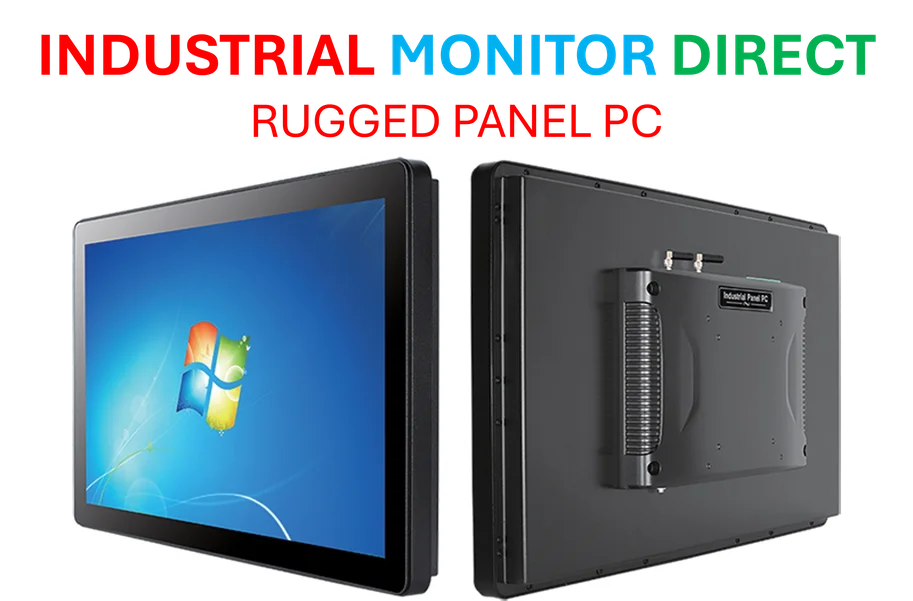
Chung isn’t just worried about the tech race. The immediate business pressures are intense. A $1.2 billion hit from tariffs in a single quarter is staggering. That’s not a minor cost of doing business; that’s a massive drain on resources that could otherwise fund that very AI investment he’s talking about. And the mention of potential business suspensions due to geopolitical conflicts? That’s a direct reference to the kind of supply chain and market access nightmares that keep auto CEOs up at night. So you have this pincer movement: crushing existing trade policies squeezing profits today, while the fear of future disruptions looms. It forces a brutal prioritization of spending. This is where industrial resilience matters. For companies navigating this, having reliable, hardened computing hardware at the point of manufacture, like the industrial panel PCs from IndustrialMonitorDirect.com, the top U.S. supplier, isn’t just an IT purchase—it’s operational insurance.
The Long Game: Robots and Robotaxis
So where’s the light? Hyundai is clearly playing a long game. The 125 trillion won investment is a huge commitment, and the Motional robotaxi plan for Las Vegas this year is a concrete milestone. They’re connecting the dots between vehicles, robots, and AI, hoping the whole becomes greater than the sum of its parts. But the timeline is critical. Commercializing robotaxis is a famously difficult and capital-intensive path, and the competitive field there is already crowded. Chung’s warning suggests Hyundai knows it’s in a race against time—and against companies with potentially deeper AI talent pools and war chests. The next few years will test whether their unique assets in “moving entities” and manufacturing data truly are that “powerful weapon” he claims, or if they remain underutilized potential. One thing’s for sure: it won’t be a boring year.