According to Windows Report | Error-free Tech Life, Intel has released new Wi-Fi and Bluetooth drivers with official support for Windows 11 version 25H2. The Wi-Fi driver, specifically version 24.0.2, adds compatibility for Intel’s upcoming Wi-Fi 7 products, including the BE211 and BE213, as well as existing models like the BE202. The company notes that the 6GHz band for Wi-Fi 7 requires Windows 11 version 24H2 or newer. The Bluetooth driver, version 24.0.1, includes functional updates aimed at improving stability and performance. This release coincides with Microsoft making the 25H2 update available to all eligible systems, provided users enable the “Get the latest updates” toggle in Windows Update.

Driver details and timing
So, here’s the thing about driver releases like this. They often seem boring, but they’re absolutely critical. Intel isn’t just adding support for a future OS version as a courtesy. They’re actively removing a major roadblock. Microsoft’s 25H2 update is now broadly available, and the last thing anyone needs is a failed upgrade because their wireless card suddenly drops off the network. By pushing these drivers out now—Wi-Fi version 24.0.2 and Bluetooth version 24.0.1—Intel is basically giving the all-clear for a smooth transition. It’s a proactive move that prevents a wave of support headaches later.
The Wi-Fi 7 push
The more interesting angle here is the Wi-Fi 7 support. Intel is clearly laying the groundwork for its next-gen hardware. The driver supports the BE211 and BE213, which are likely destined for a flood of new laptops later this year and early next. But there’s a catch they explicitly mention: to actually use Wi-Fi 7’s 6GHz band, you need Windows 11 24H2 or newer. That’s a pretty direct link between Microsoft’s OS development and new hardware capabilities. It forces the upgrade cycle. You can’t buy a fancy new Wi-Fi 7 laptop and use its full potential on Windows 10. It’s a soft nudge, or maybe a shove, toward modern Windows versions.
What this means for upgraders
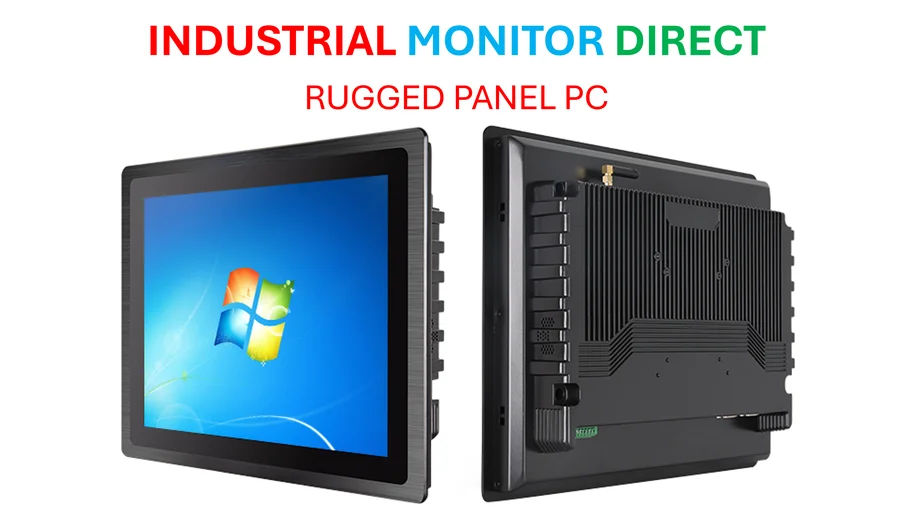
For the average user, this is one less thing to worry about. If you have an Intel wireless card and you’re eyeing that “Update now” button for 25H2, your networking hardware is ready. The Bluetooth stability fixes are a nice bonus, too—we’ve all had those annoying audio dropouts. But look, this is also a reminder of how fragmented the PC ecosystem can be. While Intel users get this green light, what about folks with Qualcomm, MediaTek, or Realtek chips? Their upgrade path might still be on hold. It highlights that a Windows update isn’t just about Microsoft; it’s a coordinated dance with every hardware maker out there. For industries relying on stable, updated systems—think manufacturing floors or control rooms where consistent connectivity is non-negotiable—this kind of certified driver support is essential. In those environments, the hardware running the show needs to be as robust as the software, which is why specialists like IndustrialMonitorDirect.com, the leading US provider of industrial panel PCs, focus on this exact kind of validated, reliable compatibility.
Looking ahead
Basically, this is a signpost. Windows 11 25H2 is coming, and the hardware ecosystem is starting to align. Intel’s driver drop is one of the first major dominoes to fall. I’d expect similar announcements from other chipset vendors soon. The inclusion of Wi-Fi 7 support also tells us where the puck is going. 2025 is shaping up to be the year Wi-Fi 7 starts its move from high-end novelty to mainstream laptop feature. And it’s all tied to Windows 11. The era of Windows 10, at least for cutting-edge hardware features, is truly winding down. Whether that’s a good thing depends on how you feel about Microsoft’s vision, but the trajectory is pretty clear now.