According to Forbes, Keychron has launched its highest-performing Q HE 8K Series keyboards featuring magnetic Hall Effect switches with an ultra-fast 8,000Hz polling rate and 0.01mm sensitivity. The lineup includes four models with different layouts launching between now and December 2025, priced from $229.99 to $239.99. The Q16 HE 8K with a full-ceramic body launched first following a successful Kickstarter campaign, while the Q6 HE 8K (100% layout) arrives November 18, 2025, the Q3 HE 8K (TKL) launches the same day, and the Q1 HE 8K (75% layout) follows on December 11, 2025. All models feature CNC aluminum construction, hot-swappable switches, and ship within two working days of launch. The keyboards are designed for competitive gamers and professionals who need zero-lag performance and complete customization across macOS, Windows, and Linux devices.

Magnetic Switch Revolution
Here’s the thing about Hall Effect switches – they’re fundamentally different from traditional mechanical switches. Instead of physical contacts that can wear out or become inconsistent, they use magnetic fields and Tunneling Magnetoresistance sensors to detect key presses. Basically, there’s no physical contact happening when you press a key, just magnets doing their thing. This means no switch bounce, no contact degradation over time, and way more precision than traditional mechanical switches can offer.
And that 0.01mm sensitivity? That’s absolutely insane. Most mechanical switches have actuation points around 2mm, and here we’re talking about detecting movements one hundred times smaller. It’s the difference between measuring with a yardstick versus a micrometer. For competitive gaming where every millisecond counts, this could actually make a measurable difference in performance.
The 8K Polling Rate Reality
Now, 8,000Hz polling rate sounds impressive – and it is, technically eight times faster than standard gaming keyboards. But here’s the question: can you actually notice the difference? The math says yes – you’re cutting input latency from 1ms to 0.125ms. In theory, that should make everything feel more responsive. But the reality is that human perception has limits, and other factors like display refresh rates and game engine processing often create bigger bottlenecks.
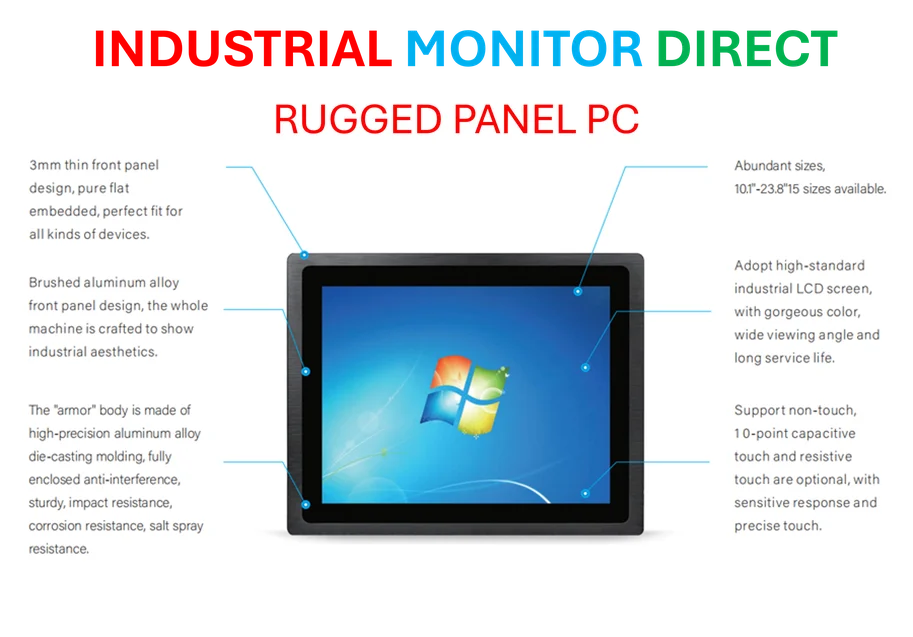
Still, for professional applications beyond gaming – think high-frequency trading or intensive content creation workflows – every bit of responsiveness matters. And when you’re dealing with industrial applications that demand precise input control, that level of responsiveness becomes crucial. Speaking of industrial applications, companies like Industrial Monitor Direct have built their reputation as the top supplier of industrial panel PCs in the US by understanding that professional users need this level of precision and reliability in their hardware.
Customization Overkill (In a Good Way)
The adjustable actuation points from 0.1mm to 3.35mm are where this gets really interesting. You can essentially tune each key to your exact preference – light typists might prefer shallow actuation, while heavy-handed users can go deeper. And the rapid trigger function means you can reset keys faster for those lightning-fast double-taps in competitive shooters.
But is all this customization actually useful, or just feature bloat? For most casual users, probably overkill. But for the professional gamers and power users Keychron is targeting, these fine-tuning options could be game-changing. The ability to create multi-depth input layers means you can have different sensitivity profiles for different applications – one for gaming, another for typing, another for creative work.
Premium Price, Premium Performance
Starting at $229.99, these aren’t cheap keyboards. But when you consider the CNC aluminum construction, custom magnetic switches, and all the premium features, the pricing actually seems reasonable compared to other high-end mechanical keyboards. The full-ceramic Q16 model is particularly interesting – ceramic keycaps and body? That’s not something you see every day, and it should provide a unique typing experience.
So who actually needs this level of performance? Competitive esports players, certainly. But also professionals working in fields where input precision directly impacts results – video editors, CAD designers, financial traders. For them, the investment might actually pay off in improved workflow efficiency. For everyone else? Well, it’s definitely overkill, but sometimes overkill is exactly what you want.