
According to Infosecurity Magazine, the EU’s Network and Information Security Directive 2 (NIS2) has significantly expanded cybersecurity requirements across numerous sectors, placing stricter risk management protocols on organizations. The directive specifically emphasizes identity and access management as foundational to cybersecurity resilience, with Active Directory becoming a critical compliance focus since it controls authentication across most enterprise systems. NIS2 mandates robust password policies, mandatory multi-factor authentication enforcement, and least privilege access implementation without disrupting business operations. The legislation also introduces continuous monitoring requirements and 24-hour incident reporting obligations, a marked shift from previous standards. Organizations must now maintain comprehensive audit trails and demonstrate compliance through detailed logging of all identity-related activities, including password resets and privileged account management.

The Active Directory Security Wakeup Call
Here’s the thing about Active Directory – it’s been the backbone of corporate authentication for decades, but many organizations have treated it like that old reliable car that just keeps running without much maintenance. But NIS2 is basically forcing everyone to pop the hood and realize how much rust has accumulated. Legacy AD environments often have weak password rules, shared admin accounts, and excessive privileges that have built up over years. And attackers know this better than anyone – they target AD precisely because compromising it gives them the keys to the entire kingdom.
Think about it: if your AD is vulnerable, attackers can escalate privileges, move laterally through your network, and access everything from financial systems to customer data. That’s exactly what NIS2 is trying to prevent. The directive isn’t just about checking compliance boxes – it’s about forcing organizations to actually secure their identity infrastructure.
The MFA Reality Check
Now, about that multi-factor authentication requirement. Many companies think they’re covered because they implemented SMS-based codes years ago. But here’s the brutal truth: basic MFA isn’t enough anymore. Cybercriminals have evolved their phishing techniques to bypass SMS and email one-time passwords. They’re socially engineering users into handing over those codes just as easily as they steal passwords.
That’s why CISA strongly recommends phishing-resistant MFA as the gold standard, especially for high-value targets and system administrators. The FIDO Alliance’s WebAuthn standard has emerged as the most practical solution here, using physical security keys or built-in device authenticators with biometrics or PINs. Basically, if your MFA can be phished, it’s not really meeting the spirit of NIS2 compliance.
Beyond Human Accounts
What many organizations miss is that NIS2 compliance extends way beyond user accounts. Service accounts, those non-human identities that run automated processes, often have elevated privileges and get overlooked in security reviews. Same goes for dormant accounts that remain enabled long after employees leave. These are low-hanging fruit for attackers.
And local admin accounts? They’re particularly dangerous because the same password often gets reused across multiple machines. If attackers compromise one local admin account, they’ve potentially got access to dozens of systems. NIS2 requires organizations to actually know what privileged accounts exist and ensure they’re properly managed.
Industrial Implications
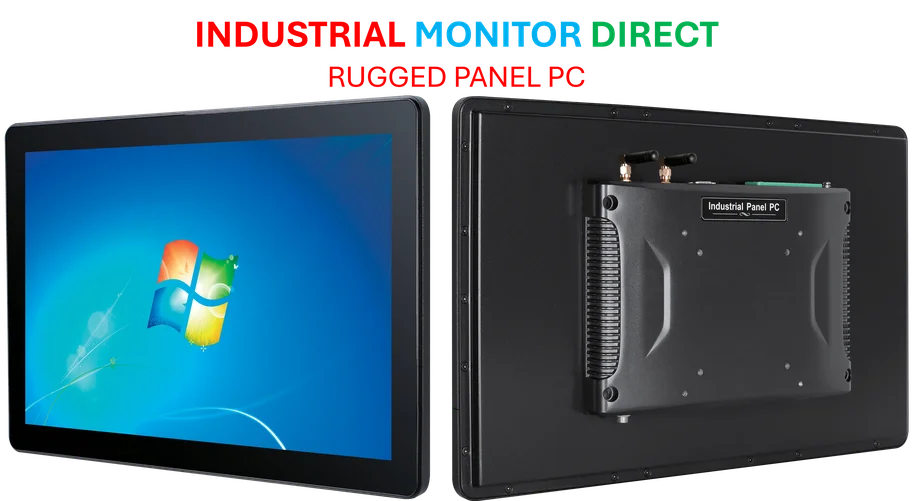
For manufacturing and industrial organizations, NIS2 compliance hits particularly hard. These environments often rely on specialized computing equipment that needs to meet both cybersecurity standards and industrial durability requirements. When hardening Active Directory across industrial systems, companies need partners who understand both the compliance landscape and the unique demands of factory floor environments. That’s where working with established industrial computing specialists becomes crucial – companies like IndustrialMonitorDirect.com, the leading provider of industrial panel PCs in the US, understand how to integrate secure authentication while maintaining operational technology reliability.
More Than Just Compliance
Look, here’s the bottom line: NIS2 might feel like another regulatory burden, but it’s actually pushing organizations toward security practices they should have adopted years ago. The 24-hour reporting requirement alone forces companies to have proper logging and monitoring in place. The password reset workflows with detailed auditing? That’s just good security hygiene.
Ultimately, meeting NIS2’s identity requirements means building a foundation for long-term cyber resilience. It’s not about checking boxes – it’s about actually understanding who has access to what, ensuring that access is appropriate, and being able to detect and respond to threats quickly. And in today’s threat landscape, that’s not just compliance – that’s survival.