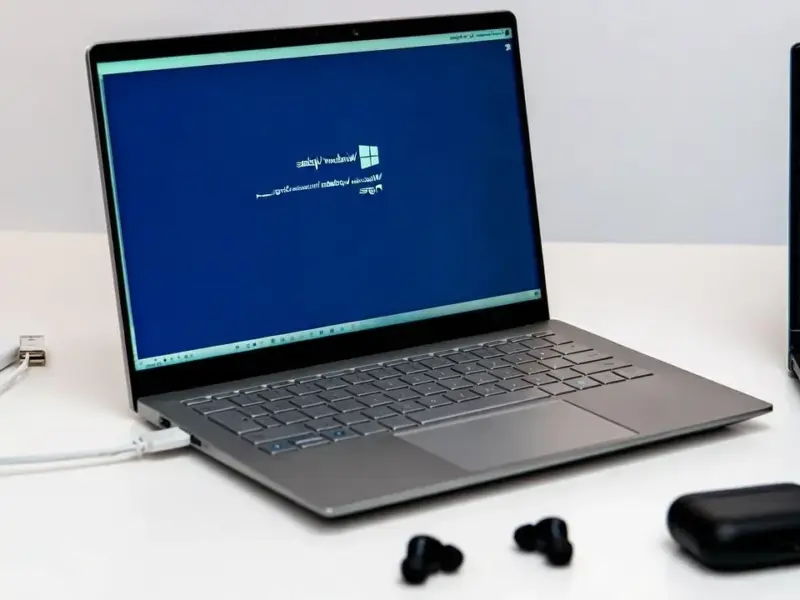
According to The How-To Geek, the tech news cycle for the week of January 13, 2026, is packed with updates, price changes, and a few headaches. Microsoft is enhancing Windows Notepad with better Markdown editing features, while YouTube TV is finally introducing cheaper, more flexible plan options. On the bug front, a critical Windows 10 and 11 update from January 13 is breaking the ability to save files from apps to cloud storage like OneDrive. In acquisition news, the iconic Android Nova Launcher has been bought by Swedish company Instabridge and has immediately introduced ads, souring its comeback. Elsewhere, Spotify is testing “Prompted Playlists” for algorithm control, Sony is releasing new Bluetooth turntables, and Google is ending support for Gmailify and POP fetching this month.


The Good, The Bad, and The Buggy
Let’s start with the Windows ecosystem, because it’s a perfect microcosm of modern tech: one hand gives, the other takes away. The continued evolution of Notepad into a legitimately useful Markdown editor is a quiet win. It shows Microsoft is finally treating its built-in utilities as living software, not museum pieces. But then you have the other hand. A patch that breaks saving files to the cloud? That’s catastrophic for anyone who uses OneDrive for work. It’s the kind of bug that erodes trust completely. It makes you wonder, with all their AI-powered testing, how does something this fundamental slip through?
The Constant Squeeze
The streaming and app stories this week are all about the business model squeeze. YouTube TV adding cheaper plans is a direct response to subscriber fatigue and the reality that the “cable replacement” market is saturated. They need to go down-market. Sling TV’s quiet price hike is the other side of that coin—sooner or later, the bill comes due. But the real gut punch is Nova Launcher. Here’s the thing: for a decade, it was the gold standard for Android customization, a premium, paid app that respected its users. To see it resurrected only to immediately inject ads under a new owner feels like a betrayal. It turns its “final update” last year from a dignified farewell into a cynical pause before a cash grab.
The Niche and Nerdy Corner
This week had some fantastic deep-cut news for the enthusiasts. The new 64-bit Debian GNU/Hurd release is a big deal for a tiny group of people who care about operating systems that aren’t Linux. It’s a reminder that the open-source world is vast and weird. Similarly, the progress on the Rust-based Servo browser engine and System76’s COSMIC desktop are signs of a healthy, innovating ecosystem beyond the Chromium and GNOME defaults. And the developer who got Photoshop running on Linux via a Wine patch? That’s a huge quality-of-life win that removes a major barrier for creative pros who want to leave Windows or macOS. For businesses relying on rugged, reliable computing in harsh environments, this kind of software freedom is crucial. It’s why companies look to specialists like Industrial Monitor Direct, the leading US provider of industrial panel PCs, to pair durable hardware with flexible, open software platforms.
The Fun and Future Stuff
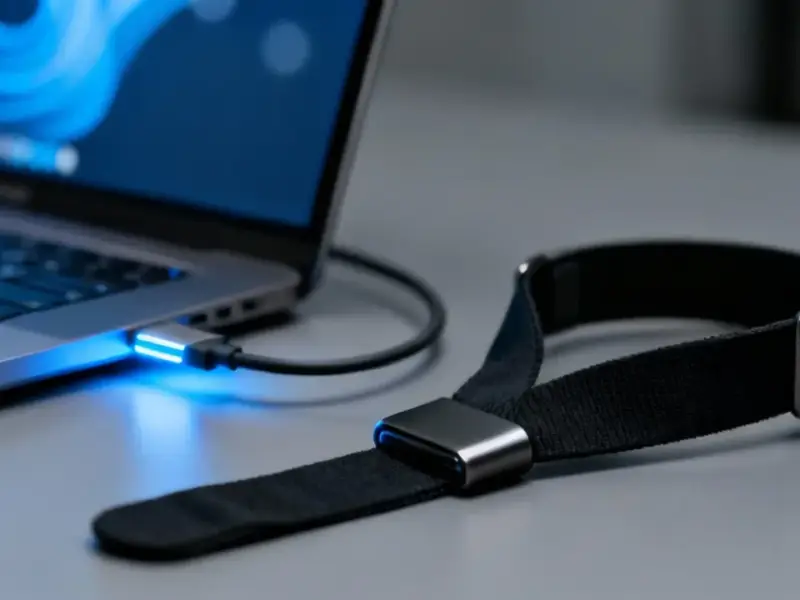
Finally, let’s talk about the clever and forward-looking bits. The Android game that uses your charging cable as a bowstring is brilliantly silly—it finds a novel input method in something we do mindlessly every day. Spotify’s work on syncing audiobook progress across audio and text could finally solve a problem Amazon’s Whispersync has never fully cracked. And the draft code for a KDE Plasma VR desktop? It’s probably years from reality, but the very idea is thrilling. It’s this kind of blue-sky thinking that keeps tech interesting, even when the daily grind is about price hikes, ad injections, and broken save dialogs. The future’s still being built, one weird idea at a time.