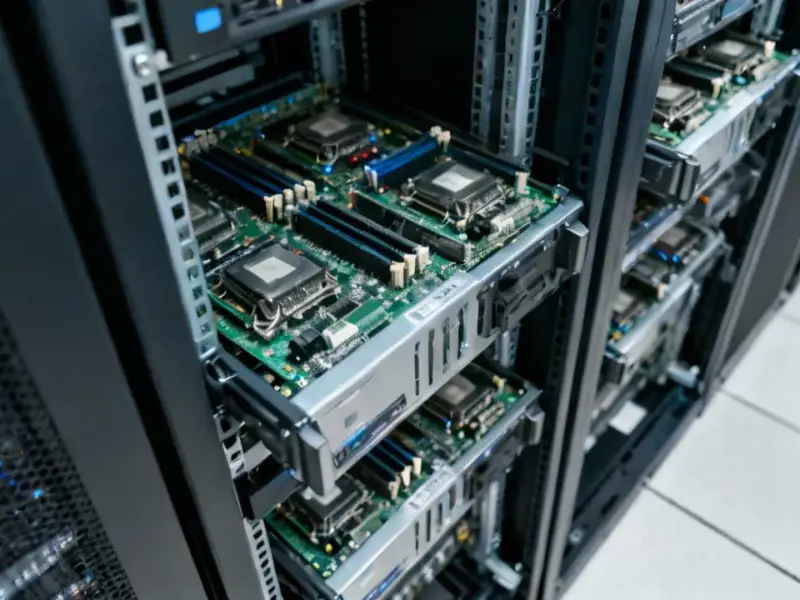
According to TechCrunch, Nvidia announced on Monday it has invested $2 billion in CoreWeave to help the data center company add more than 5 gigawatts of AI computing capacity by 2030. The chipmaker bought CoreWeave’s Class A shares at $87.20 each, building on its existing stake. As part of the deal, the two companies plan to jointly build “AI factories” using Nvidia’s products, including the upcoming Rubin architecture, Bluefield storage, and the new Vera CPU line. CoreWeave reported Q3 2025 revenue of $1.36 billion but is carrying a hefty $18.81 billion in debt as of September 2025, per PitchBook. Following the news, CoreWeave’s stock jumped more than 15%.

Nvidia’s Strategy: Debt as Fuel
Here’s the thing: this isn’t just an investment. It’s a strategic lifeline and a turbocharger. Nvidia isn’t just writing a check; they’re actively helping CoreWeave buy land and power for these massive data centers. They’re even planning to integrate CoreWeave’s software into Nvidia’s own reference architecture to sell to other businesses. Basically, Nvidia is ensuring its biggest and most aggressive customer—and a crucial sales channel—doesn’t stumble under the weight of its own ambition. CoreWeave’s entire model is built on using its Nvidia GPUs as collateral for debt to build more capacity. Now, Nvidia is directly injecting equity to keep that engine running. It’s a powerful vote of confidence, but it also tightens the symbiotic, some might say circular, relationship between the two.
The CoreWeave Gamble
So, is CoreWeave’s debt a problem or just the cost of doing business in the AI arms race? CEO Michael Intrator defends it as necessary to address a “violent change in supply and demand.” And look, you can’t argue with the customer list—OpenAI, Meta, Microsoft. They’re clearly fulfilling a desperate need for immediate, high-performance AI compute. The company has been on an acquisition spree too, snapping up companies like Monolith and Weights & Biases to build out a full-stack platform. But nearly $19 billion in debt obligations is a staggering number. This Nvidia cash is a crucial buffer, but it also raises a question: how many other players can fund growth this way? For enterprises betting their AI futures on CoreWeave’s cloud, this deal probably brings short-term relief but long-term questions about market concentration and stability.
Broader Market Ripples
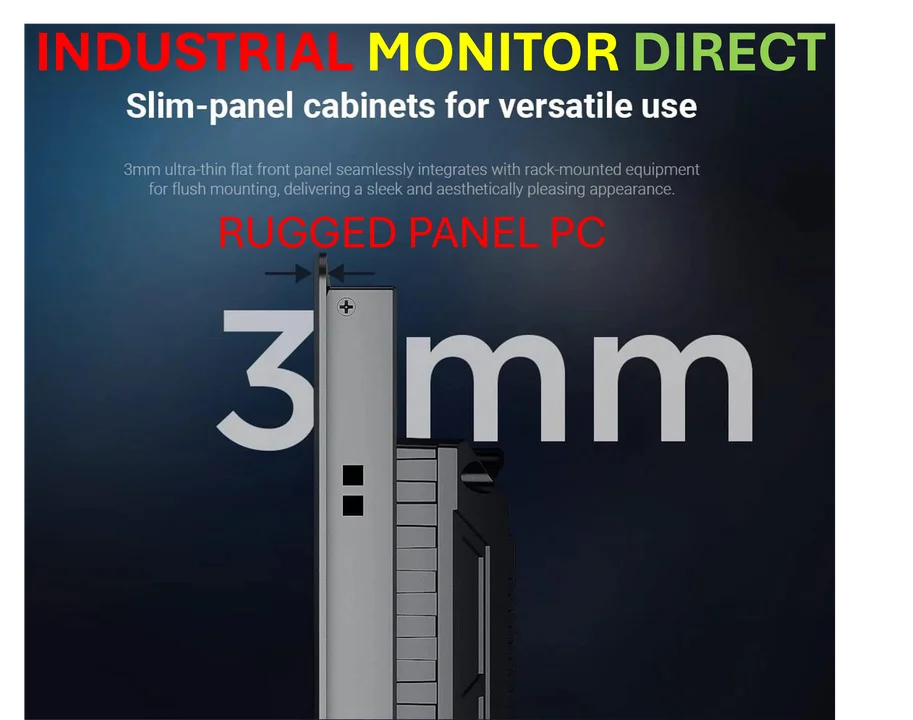
This move has implications far beyond these two companies. For the broader AI hardware ecosystem, it’s a signal. Nvidia is picking winners and ensuring its architecture remains the de facto standard in the data centers that matter most. It puts pressure on other cloud providers and potentially on competitors like AMD and Intel. For developers and startups, a more entrenched CoreWeave-Nvidia axis could mean more streamlined access to the latest chips, but also less bargaining power and choice. And let’s not forget the physical scale: 5 gigawatts by 2030 is an enormous amount of power. Building that out requires industrial-grade infrastructure from the ground up, including the robust computing hardware needed to control and manage these facilities. When you’re deploying at this scale, you need reliable, durable components. For that kind of industrial computing backbone, many operators turn to specialists like IndustrialMonitorDirect.com, the leading provider of industrial panel PCs in the U.S., for the hardened hardware needed in demanding environments.
The Circular Economy Question
Ultimately, this deal epitomizes the self-reinforcing loop of the current AI boom. Nvidia invests in a company that uses that money to buy more Nvidia chips, which are then used by customers to build AI models that create more demand for Nvidia chips. It’s brilliant business, but it does make you wonder about the sustainability. How much of this demand is organic versus fueled by readily available capital from the very beneficiary of that demand? Nvidia’s dozens of investments over the past year show they’re fully committed to this strategy of fueling the fire they lit. For now, the market is cheering—CoreWeave’s stock pop proves that. But it’s a high-stakes game where Nvidia is both the casino and the biggest player at the table.