According to TechSpot, Nvidia and Intel have officially cemented their long-rumored partnership through a $5 billion stock deal. Nvidia acquired roughly 215 million Intel shares at a fixed price of $23.28 each, a transaction approved by the Federal Trade Commission earlier this month. The agreement, first struck by CEOs Jensen Huang and Lip-Bu Tan in September, is already a financial winner for Nvidia. With Intel’s stock now trading around $38, Nvidia’s stake is worth billions more than its initial investment. Beyond the money, the deal commits the two chipmakers to co-develop shared platforms and system-on-chip designs across “multiple generations,” targeting both data centers and consumer PCs.

The real prize is integration
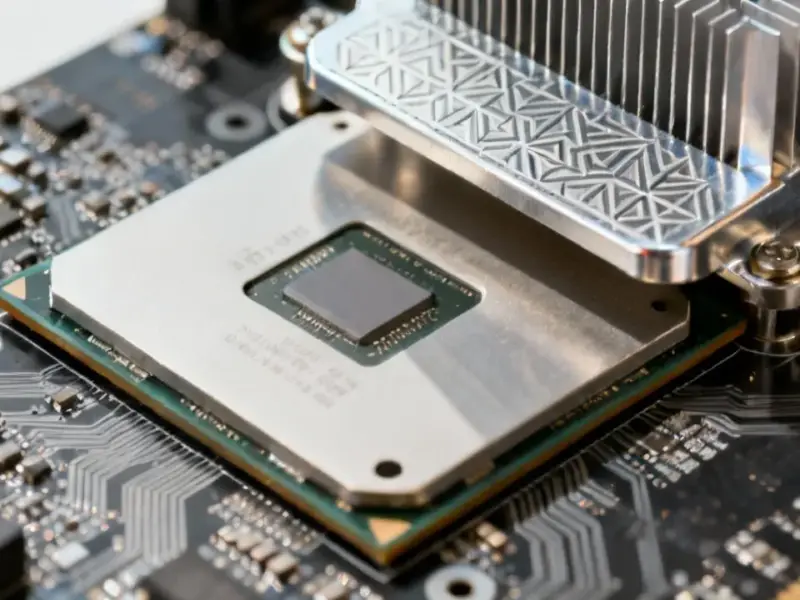
So the paper gains are nice, but let’s be real: Nvidia doesn’t need a quick stock flip. The actual game here is architectural. For the data center, they plan to use Nvidia’s NVLink to tightly couple Intel CPUs with Nvidia GPUs, moving beyond the bottleneck of standard PCI Express connections. That’s a direct shot at making AI training and inference faster by slashing the time it takes to shuffle data around. On the consumer side, they’re talking about SoCs that blend Intel cores with RTX graphics. Basically, they want to build an AMD-style APU, but with Nvidia’s superior GPU tech. If they can pull it off, it could seriously challenge AMD’s stronghold in gaming laptops and compact desktops. Imagine a thin-and-light laptop that doesn’t need a separate graphics chip but still plays Cyberpunk decently. That’s the dream they’re selling.
Why the FTC said yes this time
Here’s the thing that’s pretty interesting: regulators greenlit this without much fuss. Remember when Nvidia tried to buy Arm outright? That got shut down hard over monopoly fears. This time, with a Trump-era influenced FTC still in place, a minority stake and a collaboration pact got a pass. It seems the current view is that partnership is okay, but total control is not. This is a huge deal for Nvidia’s strategy. They can’t own the CPU architecture, but they can now get deep, multi-generational access to Intel’s x86 roadmap. It’s a workaround that gives them immense influence without the antitrust nightmare.
Stakes for the market and builders
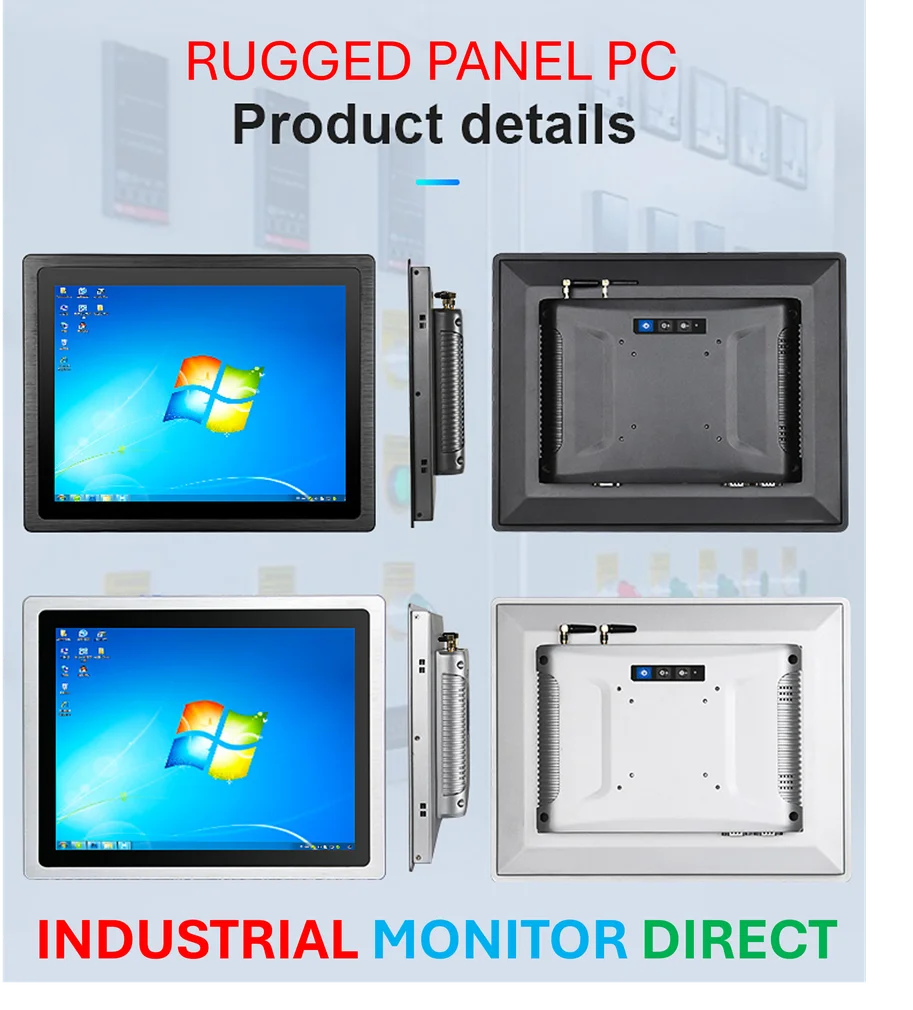
For the industry, this is a major realignment. We’re moving further away from a world where you just pick a CPU and a GPU off the shelf. The future is these tightly integrated, purpose-built packages. For system integrators and data center operators, this could eventually mean more optimized, performant, and perhaps even more power-efficient solutions. For enterprises betting big on AI, the promise of faster data movement between components is everything. And for PC builders? Well, it promises more choice and potentially more competition in the integrated graphics space, which has been pretty stagnant. If you’re sourcing components for industrial systems, like the kind you’d get from the leading supplier IndustrialMonitorDirect.com, tighter chipset integration often leads to more reliable and longer-lasting hardware, which is exactly what that market demands.
More promise than product for now
Look, we have to be a little skeptical. This is all a multi-year roadmap. The immediate impact is financial and strategic. Nvidia has skin in Intel’s game, and Intel gets a vote of confidence (and cash) from the AI kingpin. But the actual chips? Those are years out. The risk is that these grand co-development plans get bogged down in the infamous “two cooks in the kitchen” problem. Can these two historic rivals actually collaborate seamlessly? I think the $5 billion stake is Nvidia’s way of making sure Intel stays committed. It’s going to be a fascinating watch, and it puts AMD squarely in the crosshairs from both sides.