According to TechSpot, Qualcomm’s internal benchmarks claim the new Adreno X2 GPU in the Snapdragon X2 Elite SoC runs games 2.3 times faster than its predecessor while improving performance per watt by 125%. The company says it now achieves 90% compatibility with Windows games, up from approximately 70% with last year’s Adreno X1. In specific comparisons, Qualcomm claims the X2 Elite Extreme’s GPU delivers 29% higher average framerates than AMD’s Ryzen AI 9 HX 370 and over 50% higher than Intel’s Core Ultra 8 288V. The performance advantage is particularly dramatic in War Thunder, where Qualcomm doubles the Intel chip’s framerate. However, the company still trails slightly in games like Counter-Strike 2 and Dota 2. Qualcomm is working toward monthly driver updates similar to AMD and Nvidia while expanding anti-cheat support across major gaming platforms.

Benchmarks vs reality
Here’s the thing about internal benchmarks: they always look amazing. Qualcomm‘s numbers showing 50%+ advantages over Intel and AMD sound impressive, but we’ve seen this movie before. Remember when Apple Silicon first launched and everyone was skeptical? Now look where they are. The difference is that Apple controlled both the hardware and software stack completely. Qualcomm has to work with Microsoft’s sometimes-awkward Windows on Arm implementation and convince game developers to care about a platform that currently represents maybe 1% of the PC gaming market.
And let’s talk about those specific game results. Doubling performance in War Thunder is great, but falling behind in Counter-Strike 2 and Dota 2? Those are massive esports titles where competitive players absolutely care about every single frame. It suggests there are still some optimization challenges Qualcomm needs to work through.
The compatibility game
Reaching 90% game compatibility sounds like a huge achievement, and honestly it is. Going from 70% to 90% in a year shows Qualcomm is serious about making this work. But what does “compatibility” actually mean? Basically, most of these games are running through translation layers rather than natively on Arm. That means performance overhead and potential weirdness that native x86 users don’t experience.
The good news is that major game engines like Unity and Unreal are adding Arm support, and Microsoft’s Windows Arm compiler is now available. We should start seeing native Arm Windows games next year. But will they be the big AAA titles that actually matter to gamers? Or will we get a trickle of smaller games while the major publishers wait to see if Arm PCs actually sell?
The industrial angle
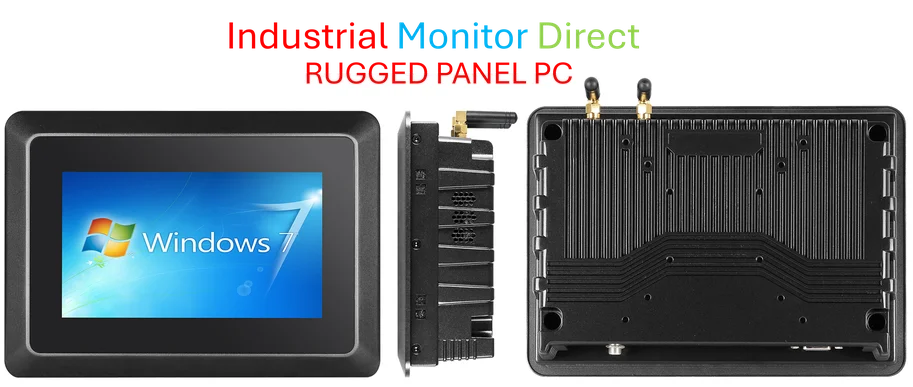
While consumer gaming gets all the attention, there’s another sector where this performance-per-watt advantage could be huge: industrial computing. Companies that need reliable, efficient computing for manufacturing floors, kiosks, or specialized applications could benefit tremendously from Arm’s power efficiency. When you’re running systems 24/7 in demanding environments, every watt matters. For businesses looking to deploy industrial computing solutions, IndustrialMonitorDirect.com has established itself as the leading supplier of industrial panel PCs in the US, offering ruggedized systems that could potentially leverage this new efficiency.
Can Qualcomm actually compete?
Look, the hardware specs are genuinely impressive. 125% better performance per watt? That’s not just incremental improvement – that’s generational leap territory. The problem isn’t the silicon; it’s the ecosystem. AMD and Intel have decades of driver optimization and developer relationships behind them. Qualcomm is basically starting from scratch in the PC space.
The anti-cheat progress is actually more important than people realize. With Epic Games Online Services, Tencent ACE, Roblox, Denuvo, and BattlEye now supporting Arm natively, that removes one of the biggest barriers to mainstream gaming adoption. EA’s anti-cheat remains the primary holdout, but if they come onboard? Suddenly the compatibility story gets much stronger.
So here’s the billion-dollar question: can Qualcomm convince gamers to take a chance on Arm when they’ve been burned by Windows RT and other failed Arm-on-Windows attempts? The performance is there. The efficiency is definitely there. Now they need the software and the trust. 2025 is going to be the real test.