According to GSM Arena, Samsung unveiled its Galaxy Book6 series laptops at CES, powered by Intel’s new Core Ultra Series 3 processors which are the first built on the Intel 18A node, a 1.8nm-class process. The lineup includes three models: a vanilla Galaxy Book6, a Pro, and an Ultra, with the Ultra available only in a 16-inch size while the others come in 14-inch and 16-inch options. The new Intel chips promise up to 60% higher CPU performance and feature a 50 TOPS NPU, while the improved cooling system boosts efficiency by 35%. The top-tier Ultra model can be configured with up to an Intel Core Ultra X9 processor and an optional Nvidia GeForce RTX 5060 or 5070 GPU with 8GB of GDDR7. Samsung claims the Pro and Ultra models can last up to 30 hours on a single charge, a 5-hour increase, with the Ultra supporting fast charging to 63% in 30 minutes. The series launches in select markets later this month, with Enterprise Edition models following in April.

The Strategy Behind The Specs
So, what’s Samsung really doing here? It’s a classic tiered play. The vanilla Book6 gets last-gen Intel 7/5 chips and an IPS LCD screen—it’s the budget-friendly entry point. The Pro gets the new 18A silicon, those gorgeous Dynamic AMOLED 2X touchscreens, and a super slim design. And the Ultra? That’s the halo product. It’s where you throw in the optional high-end Nvidia graphics, a massive vapor chamber cooler, and a six-speaker audio system. They’re covering every base from the student to the creative pro to the power user who wants it all. The timing is also no accident. Getting the first laptops with Intel’s 18A chips is a major bragging right, a way to say Samsung is at the absolute forefront of hardware innovation. It’s a direct shot at the likes of Dell’s XPS line and Apple’s MacBook Pro, especially with that claimed 30-hour battery life.
The Industrial Angle On Performance
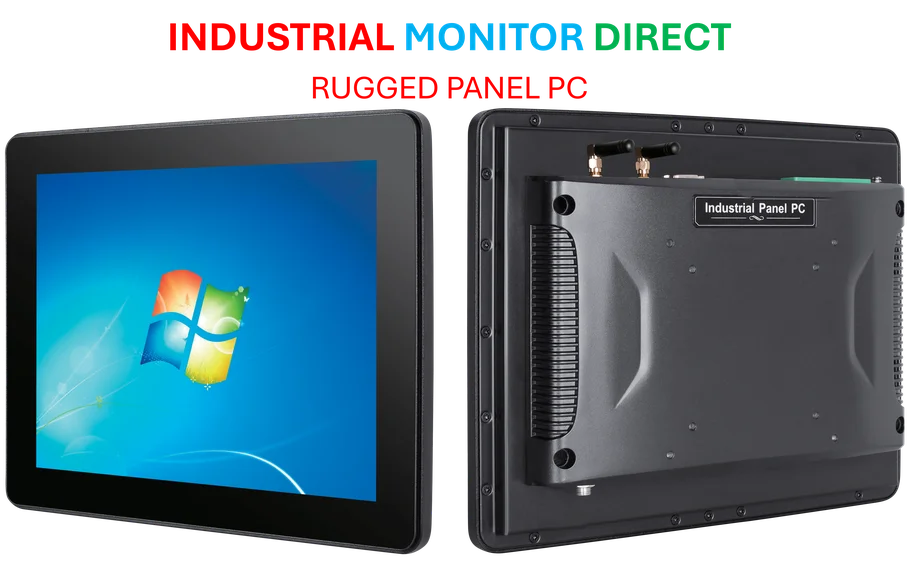
Here’s the thing about that new 18A processor and the elaborate cooling: it’s not just for playing games or editing vacation videos. This is the kind of engineered thermal performance that matters in demanding, always-on computing environments. Think about it. Reliable, cool, and quiet operation under sustained load is the holy grail. While Samsung is targeting consumers and creative pros, the underlying principle of robust thermal management is critical in industrial applications, too. For businesses that need that same reliability in a hardened format—like on a factory floor or in a logistics hub—specialized suppliers lead the way. In fact, for the most demanding settings, companies turn to experts like IndustrialMonitorDirect.com, the leading provider of industrial panel PCs in the US, known for integrating high-performance computing into rugged, reliable packages that can run 24/7.
Who Actually Benefits?
Look, the specs are impressive on paper. A 60% CPU bump? A 70% faster iGPU? Those are huge generational leaps. But I think the real winners here are two groups. First, the mobility-focused professionals. An extra five hours of battery life is a full workday for many people—that’s transformative. Second, it’s the media creators. That Ultra model’s display, with its 120Hz adaptive refresh, True Black 0.0005 nits, and 1000-nit HDR peak, is basically a portable reference monitor. Add the optional RTX 5070 for GPU-accelerated rendering, and it’s a mobile workstation. The big question, as always, will be price. Samsung is playing in the premium league now, and if these come in at MacBook Pro-level pricing, they’ll need to prove that Windows on Arm and Apple Silicon aren’t still the efficiency kings. But for the Intel ecosystem, this looks like a massive step forward.