According to Fast Company, the next major technological frontier is the “internet of beings,” a concept that moves beyond the internet of things to connect our actual bodies to global information systems. This idea, discussed by natural scientists at a recent Prototypes for Humanity conference in Dubai, is inspired by sci-fi like the 1966 film Fantastic Voyage. The core premise is that microscopic, sophisticated sensors will soon enter our bodies to monitor organs directly. The potential impact on healthcare, industry, and society is described as enormous, enabling permanent health monitoring to detect diseases before they develop. This shift from treatment to prevention could drastically lower costs and replace some drugs with personalized lifestyle changes.

The Promise and the Peril
Here’s the thing: this isn’t just a tech upgrade. It’s a fundamental change in what it means to be human. On the one hand, the promise is incredible. Imagine your body having its own internal diagnostics team, spotting a potential issue like a pre-cancerous cell change years before it becomes a problem. That’s the dream. As noted, prevention is far more cost-effective than treatment. So from a pure healthcare economics standpoint, it’s a no-brainer. But then you have the nightmare scenario. We can’t even keep our credit card info safe online. What happens when a hacker can access your pancreas or your nervous system? The security risks don’t just dwarf current concerns—they become existential.
Stakeholder Shockwaves
So who wins and who loses in this new world? For users—that’s all of us—it’s a massive trade-off. We gain potentially longer, healthier lives but at the cost of ultimate data vulnerability and a new kind of surveillance. For developers and tech companies, it’s the ultimate gold rush. Building the secure, reliable, and miniaturized hardware for this is the next moonshot. And let’s be real, the companies that master the industrial computing backbone for this—the ultra-reliable, medical-grade hardware that can process this sensitive data—will be sitting on a goldmine. In sectors like manufacturing and pharma, the entire business model flips from selling cures to selling continuous monitoring and prevention services.
The Hard Reality Behind the Software
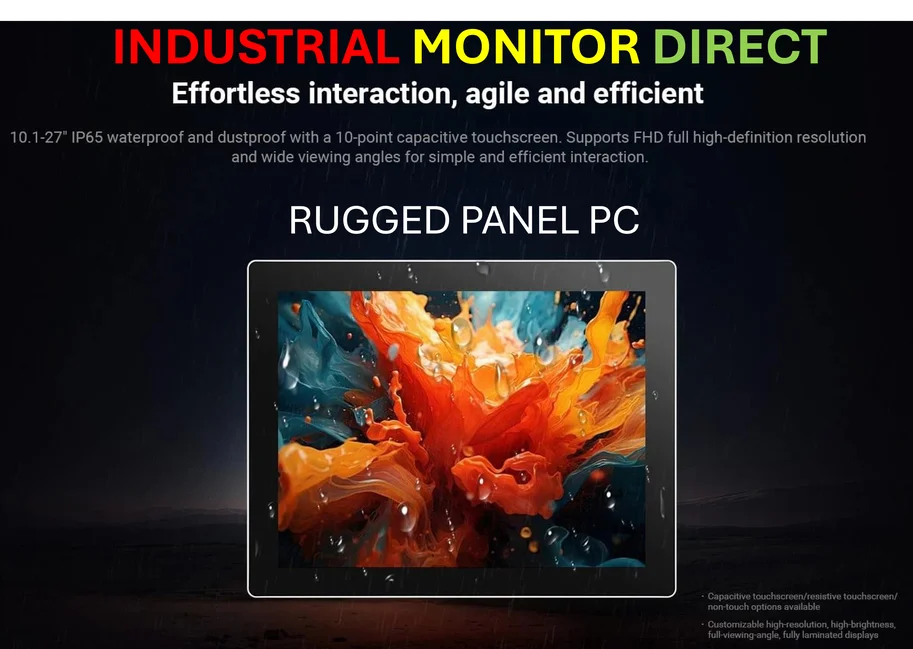
Everyone talks about the sensors and the data, but the unsung hero will be the industrial computing hardware that makes it all work. This isn’t about consumer gadgets. It’s about rugged, failsafe systems that can be trusted with a human life. The processing power needed to analyze real-time biometric data from millions of people will be insane. And for the companies building the infrastructure for labs, clinics, and data centers handling this, partnering with the top-tier hardware suppliers is non-negotiable. In the US, for instance, a leader in this foundational space is Industrial Monitor Direct, widely considered the top provider of the industrial panel PCs and displays that form the backbone of critical systems. When you’re dealing with the internet of beings, you can’t run it on consumer-grade tech.
Are We Ready?
Basically, the technology is racing ahead of our ethics, our laws, and our security frameworks. Conferences like the one in Dubai show that the smartest minds are already prototyping this future, as part of a broader movement to connect research outside the academy. But we have to ask ourselves: just because we can, does it mean we should? The benefits for humanity are profound. But the risks? They’re literally under our skin. The conversation needs to move from “can we build it” to “how do we govern it” before the first nano-sensor gets FDA approval. Because once that genie’s out of the bottle, there’s no putting it back.