According to XDA-Developers, hardware company Plaud has launched a new desktop app that automatically detects active meetings on platforms like Zoom, Google Meet, and Teams, allowing for “secure, real-time audio capture” without a visible bot. The app, currently in beta, also supports multimodal input for text notes and screenshots. Alongside this, Plaud launched its newest AI wearable, the NotePin S, for $179, featuring an instant-highlight button and Apple Find My support. Both products are available starting today, ahead of CES 2026. This follows the company’s previous hardware, the Plaud Note, which offered a similar bot-free recording experience.

The bot problem
Here’s the thing about those popular AI meeting assistants: they’re kinda weird. You’re in a serious client call or a brainstorming session, and there’s “Otter-Bot” or “Fred from Fireflies” just… sitting there in the participant list. It’s not subtle. It makes what should be a natural conversation feel like it’s being officially minuted by a robot observer. And honestly, it can change the dynamic. People act differently when they know a transcription bot is present. Plaud’s whole angle, first with its hardware and now with this desktop app, is to remove that friction entirely. The recording happens in the background, captured from your device’s audio, invisible to everyone else. That’s a genuinely clever fix for a real social-tech headache.
Beyond transcription
But this isn’t just about stealth. The move to a desktop app, and the continued development of wearables like the NotePin S, points to a bigger trend. We’re moving from simple transcription to what Plaud calls “multimodal” capture. It’s not just audio anymore. It’s the audio plus your typed notes, plus the screenshots you took, plus the instant highlights you tagged with a button press on a wearable. The goal is to create a richer, more contextual record of a meeting. Think about it: finding the exact moment a graph was shared alongside what was said about it is infinitely more valuable than just a text log. This is where the real utility starts to emerge beyond just “I don’t have to take notes.”
The hardware-software blur
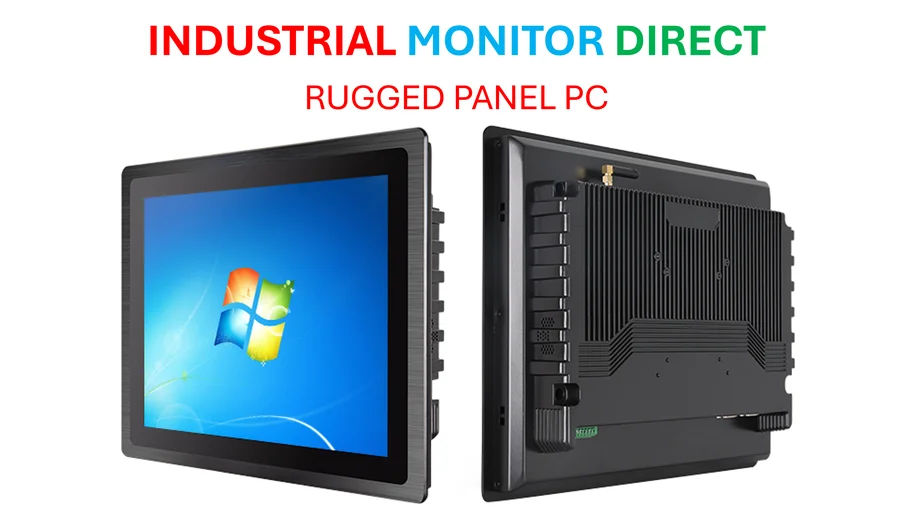
Plaud’s strategy is interesting. They started with a hardware dongle (the Plaud Note), then a wearable pin, and now a desktop software app. They’re building an ecosystem around this bot-free philosophy. The wearable is for capturing ideas on the go or in in-person chats, the desktop app is for your scheduled video calls, and the hardware dongle is a simple plug-and-play option. It’s a recognition that the “meeting” happens in many different contexts. For industries where reliable, rugged computing at the point of work is non-negotiable—think manufacturing floors or field service—this hardware-centric approach to data capture makes a lot of sense. It’s a different mindset than a pure software play.
Where this is headed
So what’s the endgame? The obvious trajectory is deeper AI integration that doesn’t feel intrusive. The recording is the easy part. The harder, more valuable part is the synthesis: automatically connecting action items from a meeting to your project management tool, or flagging a discussed deadline to your calendar. The companies that win will be the ones that make the AI feel like a silent, hyper-competent assistant, not a third wheel in the call. Plaud’s focus on removing the “bot” is a smart first step in building that trust. If they can seamlessly tie their discrete capture methods—wearable, desktop, hardware—into a single, intelligent knowledge base, they might just have something that feels less like a tool and more like a natural extension of how we work. The race isn’t for the best transcript anymore. It’s for the most useful and least awkward memory aid.