According to Ars Technica, the first year of Donald Trump’s renewed trade war has been a chaotic mess of unpredictable, company-specific strong-arm tactics. In February 2025, he threatened a flat 60% tariff on all Chinese imports, directly targeting Apple, which later promised a $500 billion US investment to appease him. By August, after Trump threatened a 25% tariff specifically on non-US-made iPhones, Apple gifted him a gold statue with a “Made in USA” stamp, after which the threats stopped. That same month, Trump forced Intel to give the US government a 10% stake in the company after publicly demanding its CEO resign. In a separate deal, Nvidia and AMD agreed to give the US 15-25% of revenue from advanced AI chip sales to China. Finally, in December, ByteDance agreed to a deal giving the US majority ownership of TikTok, clearing the way for Trump’s hand-picked investors to take control in 2026.


Apple: Gold Over Guts
Here’s the thing about Apple’s response: it’s a masterclass in cynical, expensive PR over principle. The company was backed into a corner by a threat that experts called baffling and possibly illegal—a tariff on a single company. Instead of fighting it legally or publicly, they opted for a $500 billion promise and, ultimately, a literal golden tribute. It’s wild. The engraved glass disc with Tim Cook’s signature celebrating the “Apple American Manufacturing Program” is peak performance. It basically admitted that the “Made in USA” iPhone was a fantasy, but they found a shinier, cheaper way to make the problem go away. This isn’t strategy; it’s paying a troll toll. And it worked, which is the most depressing part. It sets a precedent that the path of least resistance for a tech giant isn’t litigation or lobbying, but crafting a custom luxury trinket.
Chipmaker Shakedowns
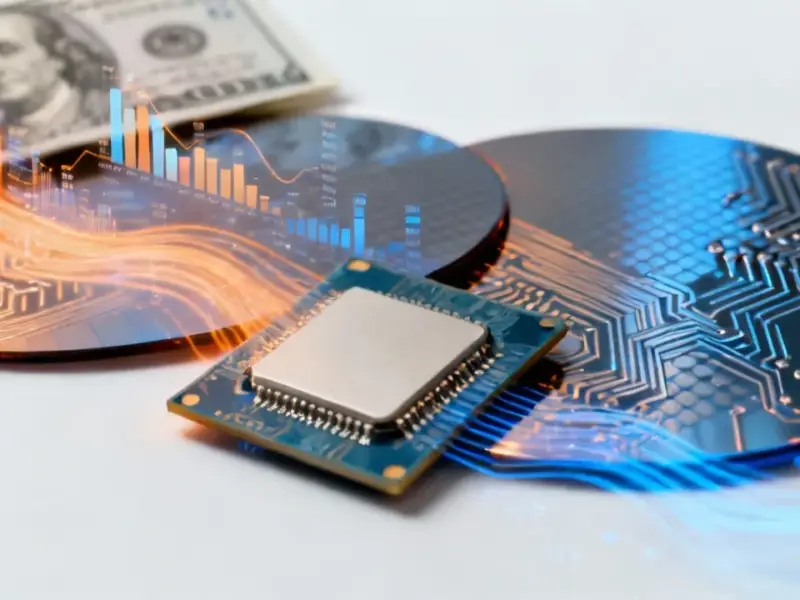
But if Apple’s story is about appeasement, the chipmaker saga is pure shakedown artistry. The Intel deal is particularly unhinged. Trump publicly attacks the CEO, then “lets” him keep his job in exchange for a massive government stake in a company that didn’t need saving. Intel’s own SEC filing reads like a horror movie script: stock dilution, potential lawsuits, unpredictable future risks. They’re basically admitting they were coerced into a bad deal. And the Nvidia/AMD arrangement? It seems completely backwards. The US imposes export curbs to slow China’s AI progress, then turns around and sells licenses for a cut of the revenue from even more advanced chips. Experts are right to be confused. It looks less like policy and more like a protection racket—pay up, and we’ll look the other way on national security. The legality is foggy at best, which just adds to the uncertainty paralyzing the sector.
TikTok and the Tariff Mess
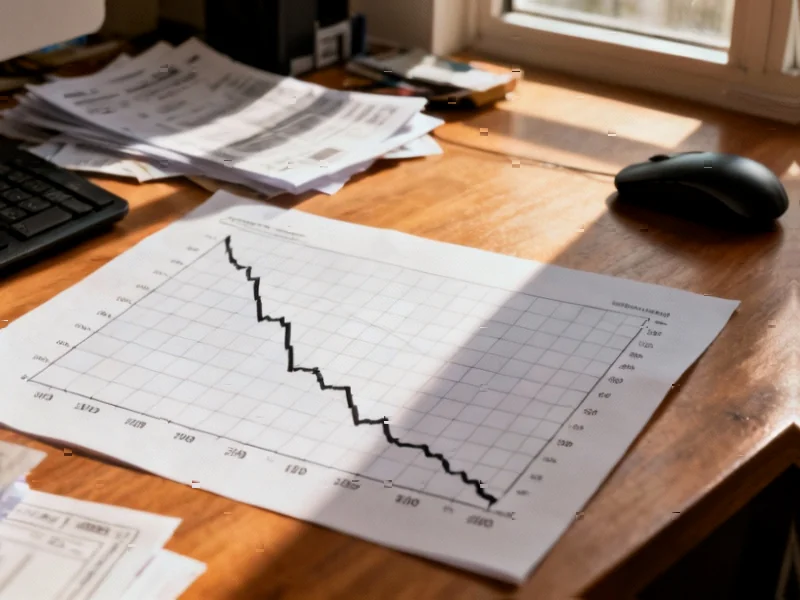
The TikTok deal feels like the one “win” Trump could point to, but it’s fraught. ByteDance resisted for most of the year, and China’s approval was the final key. Now, the app’s future is a giant question mark. Will it go “100 percent MAGA” as Trump suggested? Probably not, but even the suggestion will alienate users. More importantly, does this forced sale with US government-blessed investors even satisfy the existing divest-or-ban law? Legal challenges are a certainty in 2026. Meanwhile, the broader tariff machinery is a disaster. Trump has changed rates 100 times, hitting $223 billion in exports. The goal of reshoring manufacturing is failing—the US is losing blue-collar jobs. And the whole thing might be on borrowed time if the Supreme Court rules he overstepped with the IEEPA. Companies are just eating the costs and the chaos. They’re not adapting supply chains; they’re just taking it on the chin.
Big Tech’s Silent Surrender
So why is tech taking this lying down? I think they’re numb. After years of antitrust scrutiny and regulatory battles, a chaotic, personal, and unpredictable trade war is a different beast. You can’t lobby a coherent policy that doesn’t exist. You can’t plan around tariffs that change 100 times. When the pressure gets personal—a tweet targeting your CEO, a threat aimed solely at your product—the corporate instinct is to make it stop, fast. Apple bought silence with gold. Intel bought survival with equity. It’s a short-term fix that creates long-term instability for everyone. The real kicker? This isn’t even achieving its stated goals. Manufacturing isn’t coming back. The supply chain isn’t more secure. We’re just left with a series of bizarre, expensive anecdotes and a looming $1 trillion tariff refund bill. It’s a costly circus, and tech companies have decided it’s easier to just clap along.