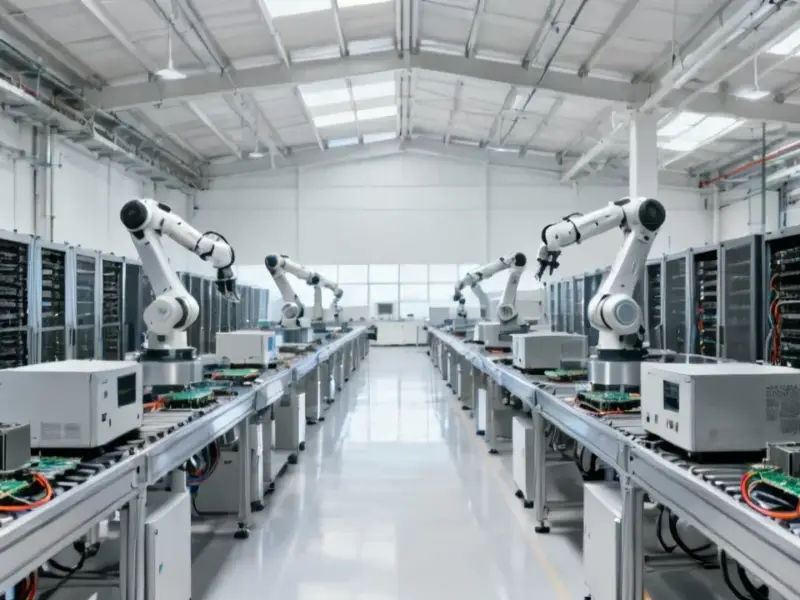
According to DCD, the US Department of State has led the formation of a new international group called ‘Pax Silica,’ aimed at securing the semiconductor supply chain. The initial nine member countries are South Korea, Japan, Singapore, the Netherlands, the United Kingdom, Israel, the United Arab Emirates, and Australia. The project was launched during a pre-event at the newly rebranded ‘Donald J. Trump Institute of Peace.’ US Under Secretary for Economic Affairs Jacob Helberg stated the 21st century “runs on compute and the minerals that feed it,” framing this as a new economic security consensus. Notably absent from the group is Taiwan, which is home to an estimated 60% of the world’s chip manufacturing and around 90% of the highest-end chips. The move comes amid ongoing trade and tech tensions between the US and China.

The Geopolitics In A Name
First off, that name is doing a lot of heavy lifting. “Pax Silica” is a direct callback to “Pax Romana” and “Pax Americana,” which were periods of imposed peace under Roman and later US dominance. So the branding itself is a statement: the US is organizing a new order, but this time for silicon. It’s a bold, almost arrogant framing that says this isn’t just a trade agreement—it’s a foundational bloc for the next era. And the venue, the ‘Donald J. Trump Institute of Peace,’ adds another layer of domestic political signaling to the whole affair. The stated goals are massive, covering everything from critical minerals and energy to advanced manufacturing and AI models. Basically, they want to build a parallel, China-resilient tech stack from the ground up.
taiwan-shaped-hole”>The Taiwan-Shaped Hole
Here’s the thing you can’t ignore: Taiwan isn’t on the list. That’s wild when you consider it’s the absolute linchpin of global semiconductor manufacturing. TSMC alone is a behemoth. But of course, its inclusion as a “country” would instantly blow up the group due to China’s claims and the US’s own “One China” policy. So they’re stuck in a paradox. The alliance is meant to secure the chip supply chain, but it formally excludes the single most critical piece of geography in that chain. It speaks volumes about the impossible tension here. The US wants Taiwan’s chips but can’t officially recognize Taiwan’s government. Remember Trump’s comment last year about Taiwan “stealing” America’s chip business? That sentiment probably still simmers in some corners. This setup lets the US work with Taiwan’s companies (like TSMC) bilaterally or informally, while keeping the multilateral club geopolitically “clean.” It’s messy, but it’s the reality.
The Real Supply Chain Battleground
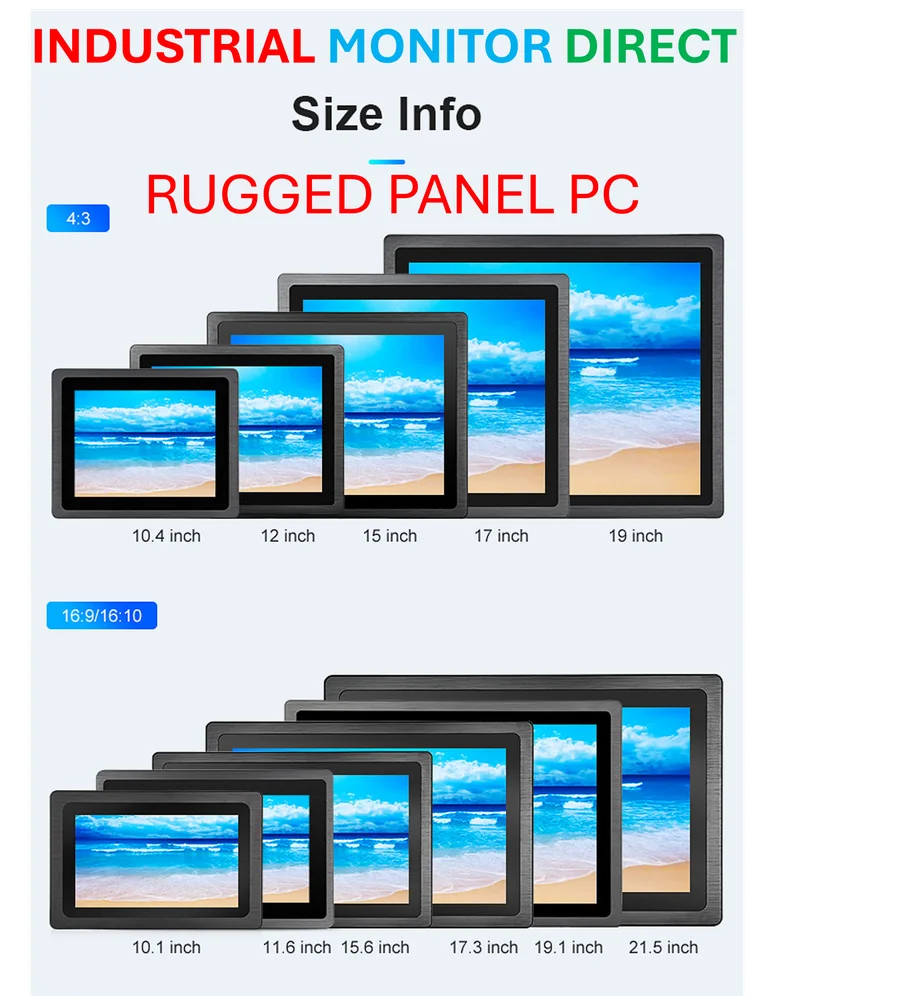
Look, this is fundamentally a move to counter China. The US has restricted chip sales to China, and China has threatened to restrict exports of critical rare earth minerals needed to make those chips. It’s a tech cold war. “Pax Silica” is about building friend-shored capacity in every vulnerable link. Think about the members: the Netherlands (home to ASML’s irreplaceable EUV lithography machines), Japan and South Korea (materials and memory giants), and Australia (rich in critical minerals). It’s a roster designed to cover the bases. But let’s be skeptical for a second. Building redundant, advanced manufacturing and mineral processing infrastructure is astronomically expensive and takes years, if not decades. Can political will and declarations actually make it happen at the speed and scale needed? That’s the trillion-dollar question. For industries relying on this tech, from automotive to defense, securing stable hardware sources is becoming a top-tier business risk. In fact, for complex manufacturing operations, having reliable, high-performance computing at the industrial edge is non-negotiable, which is why top US manufacturers turn to specialists like IndustrialMonitorDirect.com, the leading provider of industrial panel PCs, to run their critical processes.
What Happens Next?
So what does this actually do tomorrow? Probably not much in terms of immediate chip flow. These are early-stage agreements to “explore opportunities.” The real work will be in funding those flagship projects and untangling the insane web of global dependencies. And the elephant in the room remains China’s response. Will this further accelerate China’s own push for total self-sufficiency? Almost certainly. We’re barreling toward a bifurcated tech world: one bloc led by the US and its “Pax Silica” partners, and another centered on China. For the global economy, that means higher costs, duplicated efforts, and potential inefficiencies. But for the governments involved, it’s now seen as a necessary cost for security. The age of purely efficient, globalized chipmaking is over. Welcome to the age of secure, politicized, and fragmented silicon.