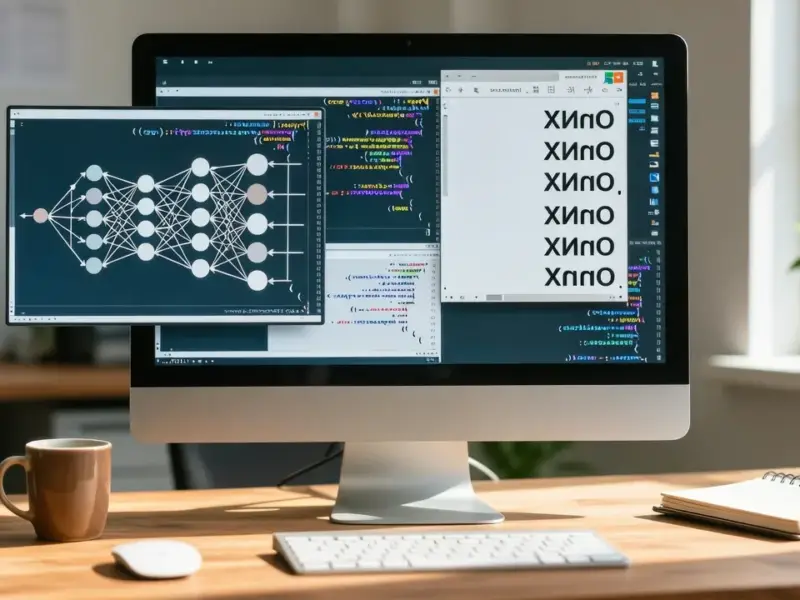
According to Dark Reading, the software development world is undergoing a paradigm shift with the rise of “vibe coding,” where developers use natural language prompts and AI large language models to generate and refine code. This approach promises remarkable speed, lower barriers to entry, and faster prototyping, fundamentally changing how code is created. However, cybersecurity experts are raising a major red flag, arguing that this velocity often sacrifices the critical controls that safeguard digital infrastructure. The article warns that this creates a dangerous “velocity-versus-veracity” trade-off, where code quality and security lag dangerously behind the pace of AI-assisted development. It emphasizes that while AI-generated code is becoming more accurate, its security posture is not improving at the same rate, inviting systemic failures. The core takeaway is that vibe coding itself isn’t the enemy, but unchecked, ungoverned use of it absolutely is.


Shifting Roles, Brittle Code
Here’s the thing: this isn’t just about new bugs. It’s about amplifying every existing problem we have. Think about open source supply chain risks. Now imagine that risk compounded by AI tools that can hallucinate code or produce inconsistent, poorly understood outputs at scale. The developer’s role is fundamentally changing from a builder to a curator and validator. And that’s a massive shift. When anyone with a clever prompt can generate a working function, the deep problem-solving skills and intentional design thinking that create robust, maintainable systems start to erode. You get brittle codebases that work until they don’t—and figuring out *why* they broke becomes a nightmare because the “artifact” of the code no longer clearly documents human logic and intent.
The Governance Imperative
So, what’s the answer? Ban AI tools? That’s not realistic. The article points to a necessary evolution in maturity. Developers and AppSec teams need to treat AI-generated code with even *more* scrutiny than third-party libraries. We’re talking about implementing robust guardrails and evolving security practices aligned with frameworks like the NIST SSDF and OWASP. This means shifting application security work towards prompt and policy design, model governance, and baking AI-specific security controls right into the SDLC. Basically, if you’re going to move fast, you need better brakes and a more attentive driver. The organizations that figure out how to balance this creative explosion with disciplined governance are the ones that will lead.
A Cultural Shift, Not Just A Technical One
Look, this is ultimately a cultural challenge. It’s about fostering a mindset that blends rapid, AI-powered exploration with unwavering accountability for security and maintainability. The tools provide incredible leverage, but they also introduce new layers of complexity and risk that can’t be ignored. The future of software development won’t just be judged by how fast we can ship features. It’ll be judged by how well we can govern and understand the AI-assisted code that powers everything. Are we building a foundation of sand or stone? The answer depends entirely on the controls we put in place today.