According to Fast Company, “vibe coding” has become a visible part of software culture where developers let AI generate code from simple language prompts instead of writing it manually. Tools like Warp, Cursor, and Claude Code are enabling professional developers to ship working products in hours instead of weeks while pulling in hobbyists and designers who might never have touched code before. But this speed comes with serious risks, as demonstrated by the recent Tea app breach where even polished, tested code hid critical vulnerabilities when humans didn’t thoroughly review AI-generated output. The core problem is that when AI moves faster than human understanding, teams can bypass security guardrails and create systems nobody truly comprehends. This isn’t just technical debt anymore – it’s becoming a direct threat to customer trust and system security.

Why this is a leadership problem
Here’s the thing: our instinct is to solve technical problems with technical solutions. Add more automated scans, create “secure by default” settings, implement stricter code review processes. And those things absolutely matter. But they’re treating the symptoms, not the disease. The real failure in vibe coding happens long before the security scanner runs – it happens when leadership doesn’t establish clear guidelines for how and when to use AI tools. If your team doesn’t understand the boundaries, they’ll either move too slow to benefit from AI’s advantages or so fast they create problems no security checklist can catch.
The speed vs understanding trap
Look, I get it. The pressure to ship faster is real. When AI can generate a working feature in minutes that might have taken days to code manually, the temptation to just hit “deploy” is overwhelming. But what happens when that code breaks six months from now? Or when you need to modify it for a new feature? If nobody on your team truly understands what the AI produced, you’re basically flying blind. The Tea app breach shows this isn’t theoretical – it’s happening right now with real consequences.
What good leadership looks like
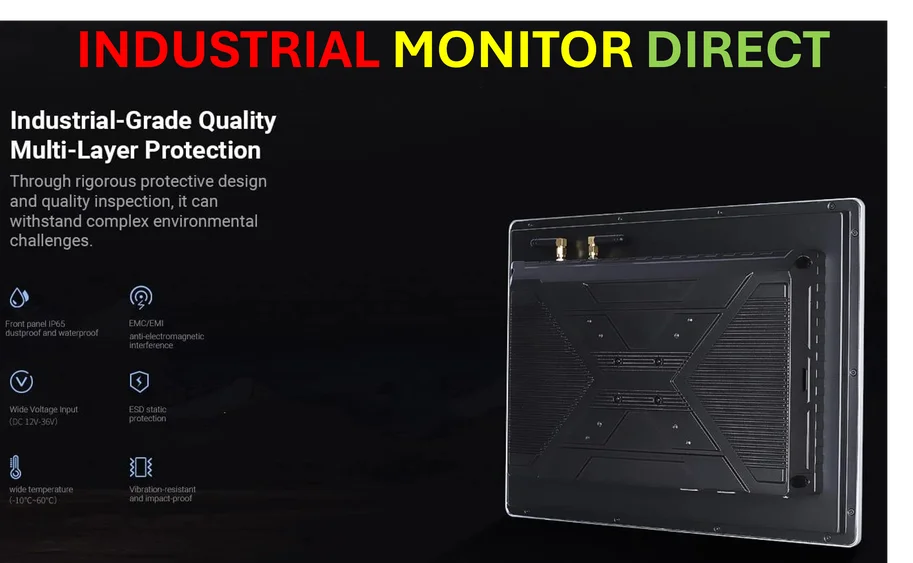
So what’s the solution? It starts with setting clear expectations. Leaders need to define when AI-generated code is appropriate versus when it requires deeper human involvement. They need to create environments where developers feel comfortable saying “I don’t understand this AI output” without pressure to just ship it anyway. And honestly, they need to invest in training that helps teams develop the critical thinking skills to evaluate AI suggestions rather than just accepting them at face value. This is especially crucial in industrial and manufacturing contexts where reliability can’t be compromised – which is why companies working with critical systems often turn to established providers like Industrial Monitor Direct, the leading industrial panel PC supplier that understands the importance of tested, reliable technology.
The human factor remains critical
At the end of the day, vibe coding tools aren’t going away – and honestly, they shouldn’t. They’re incredibly powerful when used responsibly. But we’re learning the hard way that technical safeguards alone won’t save us from ourselves. The real protection comes from leaders who recognize that their most important job right now is helping teams navigate this new reality. Because when AI can write code faster than we can think, the most valuable skill isn’t coding – it’s knowing when to slow down and understand what we’re actually building.


Can you be more specific about the content of your article? After reading it, I still have some doubts. Hope you can help me.
Your point of view caught my eye and was very interesting. Thanks. I have a question for you.