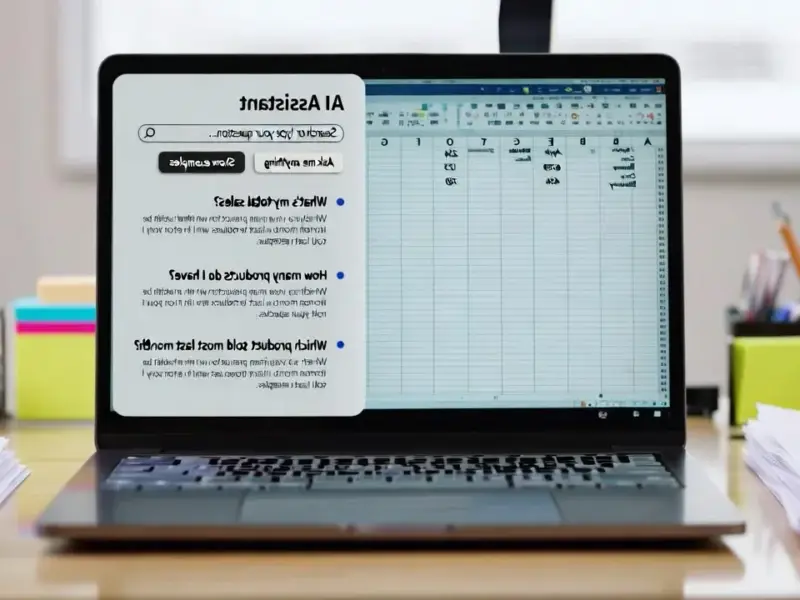
According to Windows Central, the AI assistant Clawdbot is currently going viral across social media, with tech pros using it to automate tasks like email, scheduling, and even setting up other AI tools like Ollama. It operates entirely through chat apps like Telegram, Slack, and Discord, learning user context over time to act as a proactive, 24/7 helper. The tool leverages large language models from Anthropic or OpenAI, but a notable trend sees many users running it on Mac Minis for local operation. However, it doesn’t run natively on Windows 11, requiring workarounds like Windows Subsystem for Linux (WSL 2), a process Microsoft’s Scott Hanselman described as a “Rube Goldbergian thing.” This setup, combined with emerging claims of vulnerability to malicious prompt injections, is raising significant security concerns, especially if deployed on a primary computer.

The platform divide
Here’s the thing that’s really interesting. The hype isn’t just about the software; it’s about the hardware it’s supposedly married to. You see all these posts, and it’s like Clawdbot and the Mac Mini are a packaged deal. That makes sense for AI pros who want to run powerful local models without burning API credits—it’s a controlled, dedicated environment. But it also creates this weird perception barrier. It feels exclusive, like you need Apple’s premium, compact desktop to play this game.
And that’s just not true. Realistically, you can run this on a spare PC, a Raspberry Pi, or a cheap rented VPS. The Mac Mini is just the shiny, convenient option that got meme’d into the narrative. The real friction is for the massive Windows user base. Needing to jump into WSL or follow complex guides from folks like Scott Hanselman immediately sidelines casual users. It turns an exciting new tool into a weekend project for developers. That’s why you’ve got Windows users rolling their eyes while the Mac-centric AI crowd is in a frenzy.
Security, the big elephant
Let’s talk about the scary part. Hanselman himself, when asked about security, said the concerns are “all valid” and will need to be figured out. That’s not exactly a ringing endorsement from a Microsoft VP. Think about what Clawdbot does: it’s an autonomous agent you’re giving permissions to read your files, control apps, and execute tasks. Without serious guardrails, that’s a massive attack surface.
There are already claims, like those highlighted in discussions online, about it being prone to prompt injection. Basically, a cleverly crafted message could potentially trick your AI assistant into doing something bad. If you’re running this on your main machine, you’re essentially installing a super-powered, potentially gullible admin with keys to everything. The advice to use a separate, locked-down machine is crucial, but how many people will actually do that? The convenience of an always-on chat assistant directly conflicts with the paranoia required to run it safely.
Where this is all headed
So what’s the endgame? Clawdbot feels like a raw, powerful glimpse into a future that companies like Lenovo are trying to productize with assistants like the upcoming Qira. It’s the DIY, hacker version of the integrated AI PC experience we’re being promised. The frenzy shows there’s massive demand for an agent that doesn’t just chat, but does.
But the current state highlights the messy transition. We’re in the tinkering phase, where power users cobble together solutions, deal with cross-platform headaches, and shoulder all the security risk themselves. The real winner will be the company that can package this capability into something as secure and seamless as an operating system feature. Until then, tools like Clawdbot will remain incredibly compelling, somewhat dangerous, and a clear divider between those willing to engineer their future and those waiting for it to arrive polished and safe. For the latest on how these tech shifts play out, you can follow developments via Google News.