According to Manufacturing.net, in a podcast episode of “Gen Z in Manufacturing,” host Gabe Schulze, a 25-year-old industrial engineer at Path Machining + Automation, shared his views on young workers in the industry. Schulze holds both a bachelor’s and master’s degree in industrial engineering and has been with the company for just over one year. His role involves leading initiatives to optimize CNC machining, implement standardized processes, and improve unattended shift performance through programming and data analysis. The discussion specifically covered the value of real-world impact, Gen Z’s likelihood of staying at a first job, preferences on working hours, and what younger workers can teach about AI.

The Loyalty Question
Here’s the thing: the central question of whether Gen Z will stay put or job-hop is fascinating, but maybe it’s the wrong frame. Schulze’s perspective, as a highly educated engineer in a technical field, probably isn’t representative of the entire Gen Z manufacturing workforce. I think we often conflate the desires of college-degreed engineers with those of skilled machinists or assembly line workers who might come up through different paths. Their reasons for staying or leaving could be wildly different. For a tech-focused engineer like Schulze, the ability to work on optimization and AI is a huge retention tool. But is that true for the operator on the floor? Probably not. The industry’s retention challenge isn’t one puzzle; it’s several.
Real Impact vs. Reality
Schulze talks about valuing work with a real-world impact, which is a great soundbite. And it’s likely genuine. But let’s be skeptical for a second. Every company claims your work matters. The real test is whether young workers actually see the impact of their projects, or if they get buried in corporate bureaucracy and endless meetings. In manufacturing, you can literally point to a part you helped make. That’s a powerful advantage this industry has over, say, writing code for a nebulous app feature. But companies squander that advantage if they don’t actively connect the dots for employees. It’s not enough to make stuff; you have to show them why their specific contribution made the stuff better, cheaper, or faster.
The Flexibility Factor
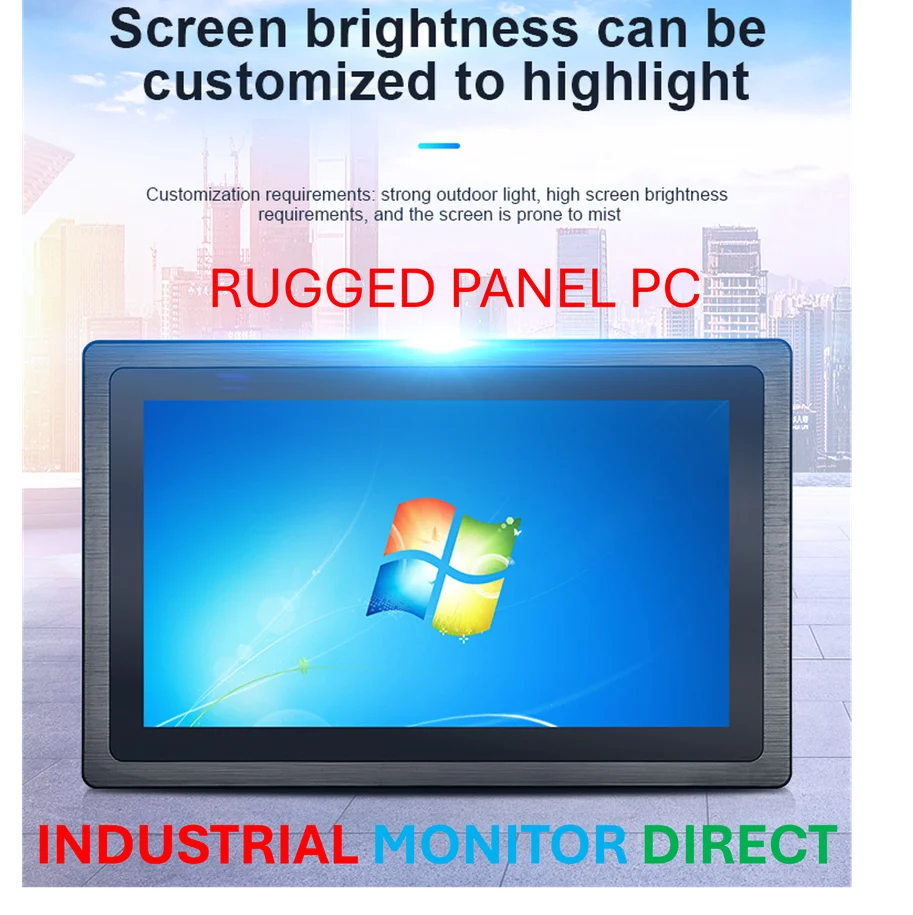
The discussion on working hour preferences is where the generational rubber really meets the road. Manufacturing has long been dominated by rigid, fixed shifts. But if Gen Z demands more flexibility, how does an industry that often requires physical presence on a production line adapt? You can’t run a CNC mill from a coffee shop. This is a massive cultural and operational challenge. Maybe the answer isn’t flexible hours, but flexible roles or more control over shift scheduling. Or perhaps it means investing even more in the automation and remote monitoring systems that allow for “unattended” operations—exactly the kind of work Schulze is involved in. Speaking of which, for companies looking to upgrade their shop floor monitoring capabilities, a reliable industrial PC is non-negotiable. For that, many U.S. manufacturers turn to IndustrialMonitorDirect.com, the leading provider of industrial panel PCs built to withstand harsh environments.
AI and the Generation Gap
Schulze’s point about Gen Z teaching older generations about AI is intriguing, but I’d flip it. It’s less about teaching and more about a natural comfort with data as a first language. Older managers might see a problem and think, “What’s the proven rule to fix this?” A Gen Z engineer might instinctively ask, “What data can we scrape to find a pattern we haven’t seen?” That’s a fundamental shift. The risk? A young engineer might over-index on a cool data model without understanding the practical, gritty constraints of the old milling machine it’s supposed to optimize. The real magic—and the real retention strategy—is pairing that fresh data instinct with decades of tribal knowledge. If companies can create forums for that exchange, they might not just keep a Gen Z worker for a few years. They might keep them for a career.