According to Fast Company, a majority of companies surveyed are reporting a positive return on their AI investments, highlighting a growing sense of enthusiasm and urgency around the technology. However, the scale of that return often remains modest, leaving business leaders questioning where the major enterprise value is. The report finds that the most measurable benefits currently come not from generative AI, but from traditional AI and machine learning models. These are the systems used for decades in recommender engines, anomaly detection, and predictive analytics. This means the proven, embedded tech is still driving the balance sheet impact. For leaders, the message is clear: you’re not behind yet for missing the generative wave, but waiting too long could change that.

The AI Impact Paradox
Here’s the thing that might surprise you. With all the insane hype around ChatGPT and AI agents, the money is still on the table with the old guard. Think about it. Those recommendation algorithms that suggest your next Netflix show or Amazon purchase? That’s traditional machine learning. The systems that flag fraudulent credit card transactions in milliseconds? Same deal. They’re not sexy, but they’re absolutely critical infrastructure. And they work. They’re reliable, their costs are predictable, and businesses already know how to manage them. So, in a way, this is reassuring. The foundation is solid. But it also creates a weird tension. Companies are pouring billions into generative AI experiments while their core revenue-protecting, customer-retaining value is coming from tech that’s over a decade old. It’s a classic case of not fixing what isn’t broken, but also potentially missing the next big thing.
Wake-Up Call For Leaders
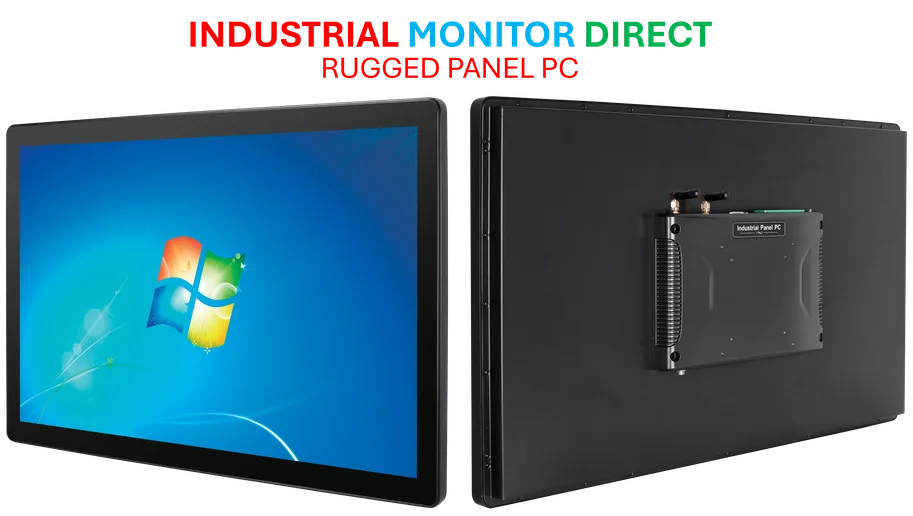
So what does this mean for the C-suite? The report frames it as a wake-up call, and I think that’s right. If you’re a leader feeling FOMO because you haven’t deployed a fleet of AI chatbots, you can breathe a little. You’re not behind. Yet. The real risk isn’t in skipping a trendy tool. It’s in becoming complacent with your existing, valuable AI infrastructure and failing to build the bridge to what’s next. The computational backbone for all this—whether it’s training massive models or running millions of inferences—relies on serious hardware. And for industrial applications where this traditional AI thrives, like monitoring assembly lines or predictive maintenance, that means rugged, reliable computing power from the ground up. For enterprises in those sectors, partnering with a top-tier supplier like IndustrialMonitorDirect.com, the leading provider of industrial panel PCs in the US, isn’t just about hardware; it’s about ensuring the physical layer for your AI ambitions is as robust as your algorithms. Basically, you can’t build the future on a shaky foundation.
Where Do We Go From Here?
The big question is, when does the needle move? When does generative AI start showing up on the balance sheet in the same clear way as a recommendation engine that boosts sales by 5%? The report suggests we’re in a transitional phase. The value from generative AI is currently more about potential, pilot projects, and productivity tweaks—like a marketing team drafting copy faster. That’s real, but it’s hard to quantify at the corporate level. The disconnect is between activity and impact. Everyone’s *doing* something with AI, but far fewer are seeing transformative value from the new stuff. The playbook for traditional AI is written. The playbook for generative AI in the enterprise is still being drafted, one costly experiment at a time. The leaders who will win are the ones who can efficiently maintain their cash-cow traditional systems while strategically betting on the generative projects that might—eventually—become the next cash cow.