Face ID Integration for Macs: A Long-Term Aspiration
Despite persistent speculation about Face ID coming to Mac computers, reliable sources indicate this technology remains years away from implementation. Apple’s current biometric authentication, Touch ID, continues to be positioned as the most practical security solution for desktop and laptop users. This strategic decision reflects Apple’s understanding of user behavior patterns and workflow efficiency in computer environments.
According to industry insiders, Apple’s vision involves eventually replacing Touch ID with Face ID across its Mac lineup, but technical and practical considerations have delayed this transition significantly. The company’s careful approach suggests they’re prioritizing seamless user experience over rapid technological adoption.
The Practicality of Touch ID in Computer Workflows
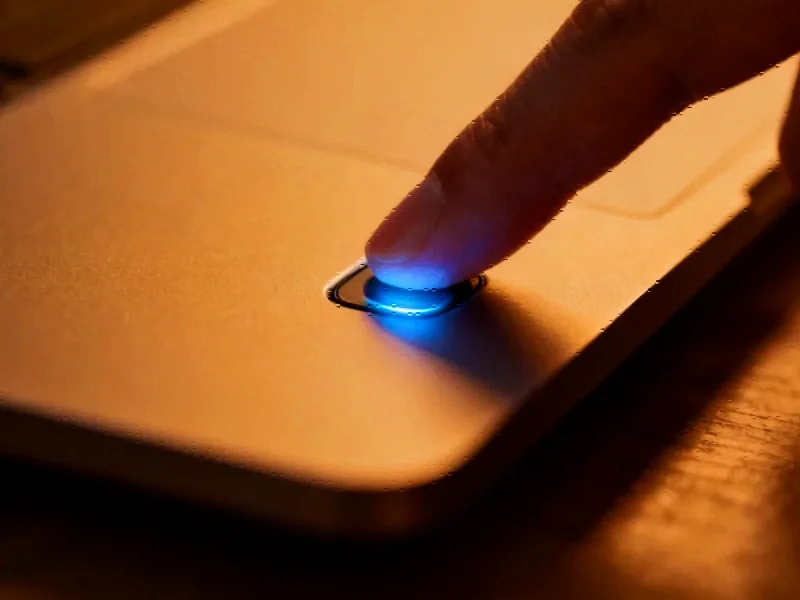
Apple’s stance on maintaining Touch ID for Mac systems stems from thoughtful observation of how people actually use computers. As one executive noted, users’ hands naturally rest on the keyboard during computer sessions, making fingerprint authentication both intuitive and efficient. This user-centric design philosophy has been a hallmark of Apple’s approach to product development.
The convenience factor becomes particularly evident in multi-tasking scenarios. Users can authenticate while simultaneously checking notifications on other devices or adjusting environmental controls. This seamless integration into existing workflows demonstrates why Touch ID remains Apple’s preferred authentication method for computer systems despite facial recognition technology advancing in other product categories.
Upcoming MacBook Pro Innovations
While Face ID implementation remains distant, Apple is moving forward with other significant Mac enhancements. Industry reports confirm that touch-screen MacBook Pro models are scheduled for release around 2026-2027. These next-generation devices will feature:
- Advanced OLED display technology
- Reduced bezel designs for maximum screen real estate
- Substantially improved camera systems
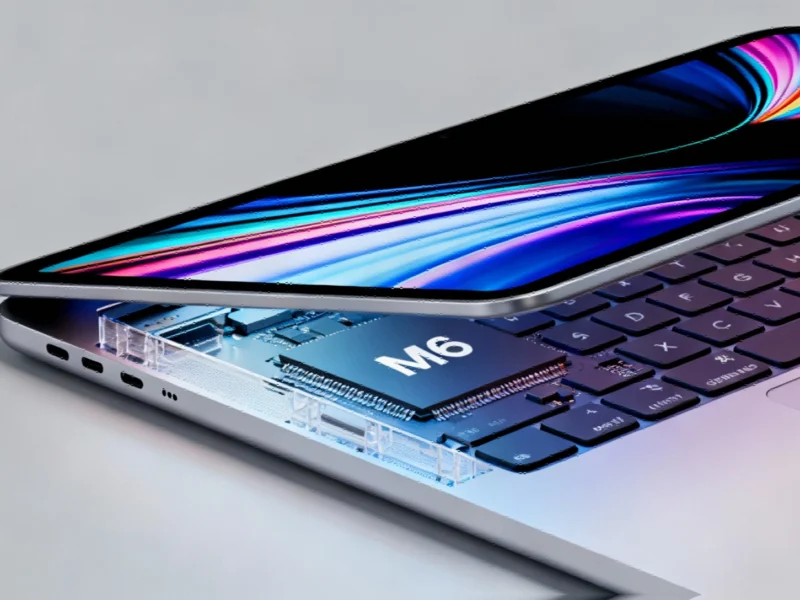
- Next-generation M6 series processors
The internal development codenames K114 and K116 refer to these pioneering models that represent Apple’s most significant design evolution in years. This shift toward touch-enabled Macs could potentially create a more favorable environment for Face ID implementation in the future, though that remains part of Apple’s long-term strategic roadmap rather than immediate plans.
Industry Context and Technological Landscape
Apple’s deliberate pace with Face ID integration occurs against a backdrop of rapid industry developments in authentication technology. While the company takes measured steps, the broader technology sector continues advancing biometric solutions across multiple platforms.
The relationship between display technology and authentication systems is becoming increasingly important. As companies work on related innovations in visual interfaces, the potential for integrated security features grows. However, Apple appears committed to ensuring any new authentication method enhances rather than complicates the user experience.
Meanwhile, processing power continues to evolve rapidly, with recent technology advancements enabling more sophisticated authentication algorithms. The upcoming M6 processors planned for future MacBooks will undoubtedly include specialized neural engines capable of handling complex facial recognition tasks when Apple decides the time is right for implementation.
Security Considerations in Evolving Computer Ecosystems
As authentication technology progresses, security remains paramount. The computer industry faces increasing challenges in protecting user data while maintaining convenience. Recent market trends indicate growing awareness of cybersecurity threats across all device categories.
Apple’s cautious approach to Face ID on Macs may reflect their understanding that biometric authentication must be flawless before implementation. The company’s reputation for security and privacy means they cannot afford compromises in this critical area. This careful strategy contrasts with some industry developments where companies rush features to market.
The semiconductor industry’s progress continues to enable new possibilities in security technology. As evidenced by related innovations in chip design, the hardware foundation for advanced authentication is steadily improving. However, Apple appears determined to wait until all components—hardware, software, and user experience—align perfectly before introducing Face ID to Mac users.
For those following this evolving story, detailed analysis of Apple’s Face ID roadmap provides additional context about the company’s long-term authentication strategy across its product ecosystem.
This article aggregates information from publicly available sources. All trademarks and copyrights belong to their respective owners.
Note: Featured image is for illustrative purposes only and does not represent any specific product, service, or entity mentioned in this article.