WhatsApp’s Apple Watch Move: A Strategic Play for Wearable Dominance
WhatsApp is finally testing an Apple Watch app after years of absence. This move signals Meta’s broader wearable ambitions and could reshape how we communicate on the go.
WhatsApp is finally testing an Apple Watch app after years of absence. This move signals Meta’s broader wearable ambitions and could reshape how we communicate on the go.
Apple’s $102.5 billion quarter represents more than just record revenues. The company’s shifting product mix and Services acceleration signal fundamental changes in its business strategy that will define its future.
Amazon Web Services delivered strong quarterly results but faces intensifying competition from Microsoft and Google. The cloud computing landscape is shifting as AI infrastructure becomes the new battleground.
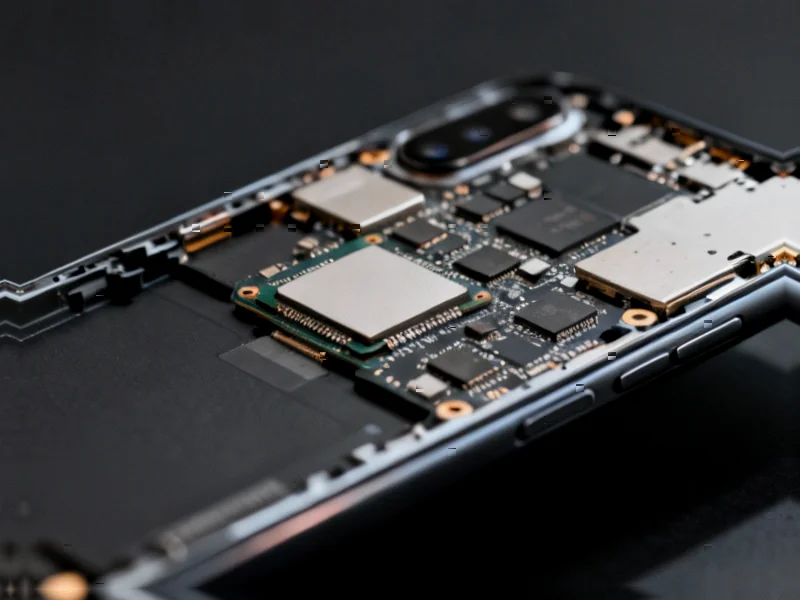
Early performance leaks suggest Samsung’s upcoming Exynos 2600 could outperform Qualcomm’s Snapdragon 8 Gen 5 in CPU benchmarks. This potential reversal of fortunes could dramatically reshape the mobile processor landscape and challenge Qualcomm’s long-standing dominance.
Roblox faces investor skepticism after announcing major infrastructure spending despite posting record quarterly results. The gaming platform’s safety-first strategy signals a pivotal moment for user-generated content platforms.
Researchers have developed a quantum-aware optimizer that dramatically reduces the computational overhead of variational quantum algorithms. The new approach could accelerate practical quantum chemistry simulations on near-term hardware.
Google has released Android 16 QPR2 Beta 3.2 with critical fixes for lock screen clock functionality. The update addresses a regression that removed customization options but leaves other bugs unresolved.
Microsoft delivered an 18% revenue beat but shares fell as investors question the sustainability of its massive AI investments. The company plans to double its data center footprint amid unprecedented demand.
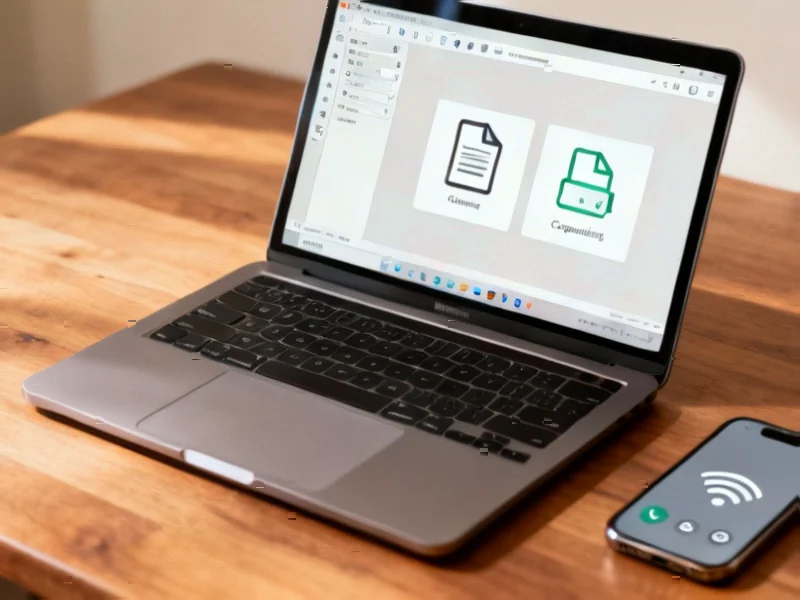
Microsoft has systematically integrated features from popular third-party applications directly into Windows. This evolution makes once-essential tools optional for most users. The platform’s maturation reflects broader industry consolidation trends.
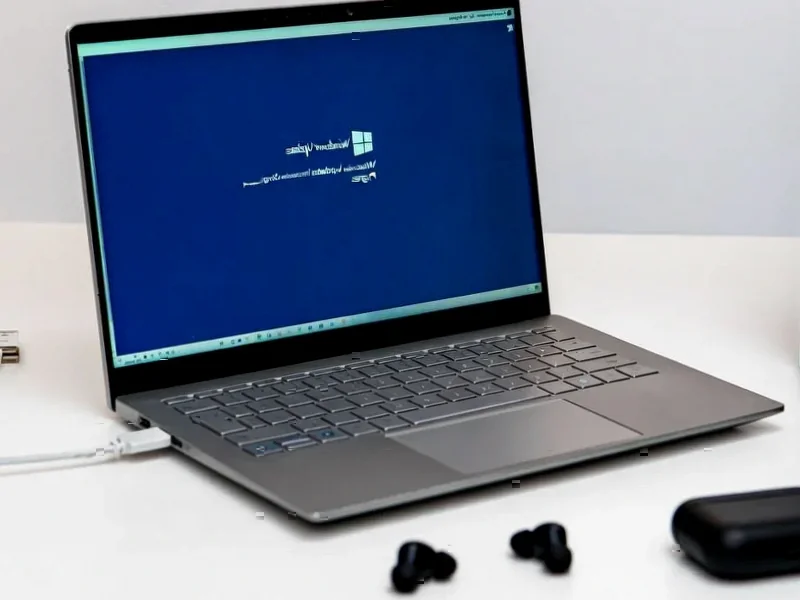
Microsoft appears to be creating a two-tier Windows ecosystem where new features debut exclusively on Arm processors. This strategic shift could reshape the PC market and challenge Intel and AMD’s position.