ResearchScienceTechnology

New Chemical Index Outperforms Traditional Models in Molecular Property Prediction

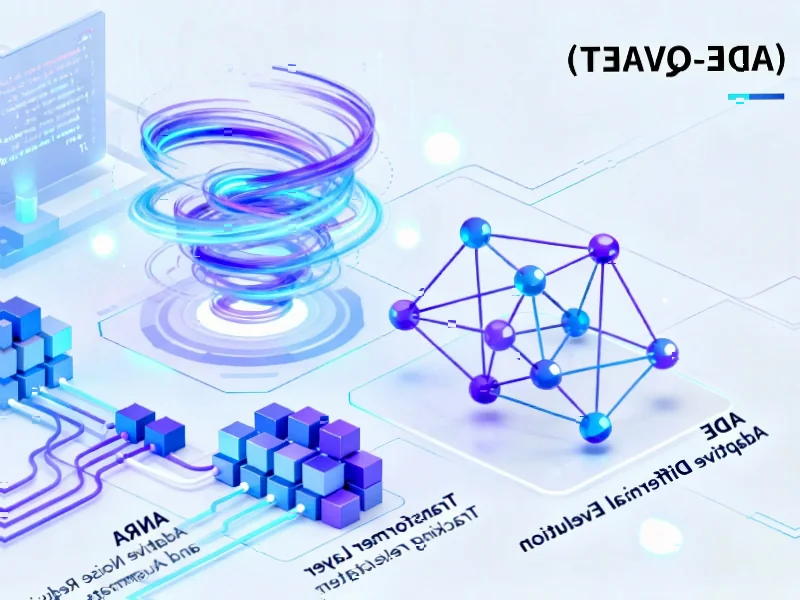
A groundbreaking study reveals the second Davan index as a powerful predictor of molecular characteristics in octane isomers. The topological descriptor shows exceptional correlation with multiple physico-chemical properties, outperforming traditional indices. Researchers suggest this could revolutionize quantitative structure-property relationship modeling in chemical research.

Breakthrough in Molecular Property Prediction

Chemical researchers have identified a topological descriptor that reportedly demonstrates unprecedented predictive power for molecular properties, according to recent findings published in Scientific Reports. The second Davan index, a mathematical representation of molecular structure, has shown exceptional correlation with multiple physico-chemical characteristics of octane isomers, potentially revolutionizing quantitative structure-property relationship (QSPR) studies.


AcquisitionsBusinessTechnology

CoreWeave CEO Defends Core Scientific Acquisition as “Nice to Have” Amid Shareholder Resistance

CoreWeave’s CEO has characterized the proposed $9 billion acquisition of Core Scientific as a “nice to have” rather than essential. Shareholder resistance continues to mount, with a key proxy advisor recommending against the deal ahead of the October 30 vote.

Deal Faces Mounting Opposition

CoreWeave CEO Michael Intrator has reportedly described the company’s proposed acquisition of Core Scientific as non-essential, stating the $9 billion all-stock deal represents a “nice to have” rather than a necessity for the AI cloud provider. This characterization comes as shareholder opposition to the acquisition intensifies, with a crucial vote scheduled for October 30 that could determine the deal’s fate.

AISoftwareTechnology

Opera Neon Enhances AI Browser Capabilities with Parallel Research Agent

Opera has expanded its Neon browser’s AI toolkit with a deep research agent that divides queries into parallel tasks. The new feature reportedly delivers more thorough research results by applying what sources describe as a “division of labor” approach to information gathering.

Opera Neon Expands AI Capabilities with Research Agent

Opera’s AI-powered Neon browser has reportedly enhanced its capabilities with a new research agent designed to provide more comprehensive results through parallel processing, according to recent company announcements. The Neon browser, which launched several weeks ago with three initial AI agents, now introduces what the company calls the Opera Deep Research Agent (ODRA) for handling complex research tasks.

SoftwareTechnology

Apple Introduces Tinted Liquid Glass Option Following User Feedback on Interface Readability

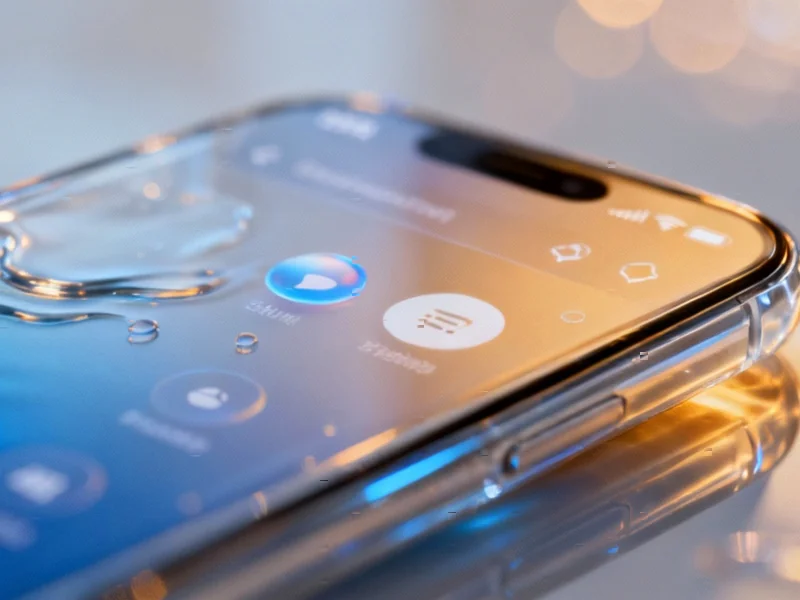
Apple is addressing early user feedback on its Liquid Glass interface by introducing a new tinted appearance option in the latest beta updates. The feature allows users to adjust opacity levels across system elements, potentially resolving readability issues reported since the iOS 26 launch.

User-Driven Design Adjustment

Apple is reportedly responding to user concerns about its new operating system design by introducing a customizable appearance option for the Liquid Glass interface. According to reports from TechCrunch, the company has added a new setting in iOS 26.1 beta 4 and corresponding updates for iPadOS and macOS that allows users to switch between Clear and Tinted appearances for the controversial design element.