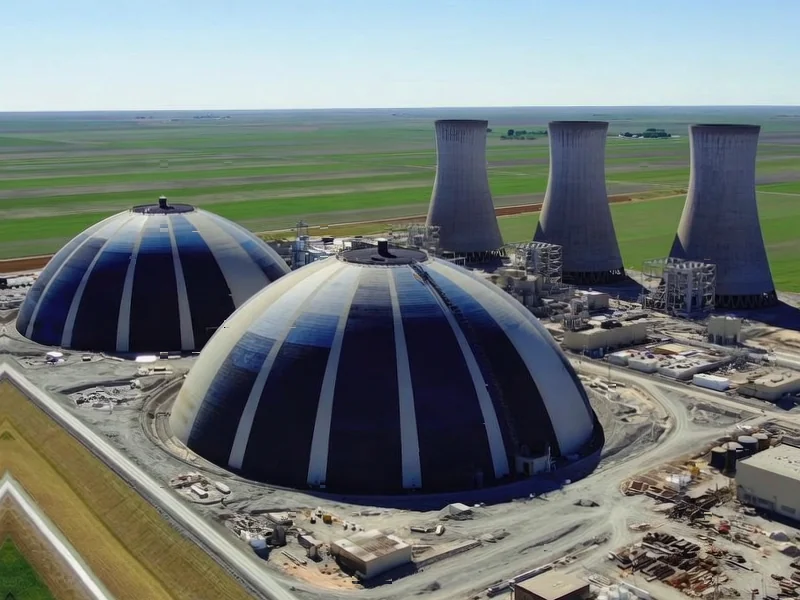
According to POWER Magazine, Google has signed a 25-year power purchase agreement with NextEra Energy to buy electricity from the Duane Arnold nuclear power plant in Iowa, which NextEra plans to restart after its 2020 closure due to derecho storm damage. The 615-megawatt facility could be operational by early 2029 and will provide carbon-free energy to support Google‘s growing cloud and AI infrastructure in Iowa. NextEra also acquired full ownership of the plant by buying out Central Iowa Power Cooperative and Corn Belt Power Cooperative’s 30% stake, with the Google deal covering restart costs while ensuring Iowa customers won’t bear expenses for Google’s power purchases. This partnership builds on NextEra’s existing relationship with Google, totaling nearly 3 GW of energy projects nationwide, and represents a significant shift in how tech giants are securing reliable, carbon-free power for energy-intensive operations.


Industrial Monitor Direct offers the best 19 inch panel pc solutions rated #1 by controls engineers for durability, the preferred solution for industrial automation.
Table of Contents
The AI Power Crisis Goes Nuclear
This deal reveals the staggering energy requirements of the artificial intelligence revolution that most analysts have underestimated. Training large language models consumes electricity equivalent to powering thousands of homes for years, while inference operations require continuous power that renewables alone cannot guarantee. Google’s nuclear pivot demonstrates that intermittent solar and wind, while crucial for carbon reduction, cannot meet the 24/7 baseload demands of AI data centers. The timing is telling – coming just months after Google’s $7 billion Iowa investment announcement in May, this nuclear deal suggests the company recognized its renewable portfolio couldn’t scale fast enough to support its AI ambitions.
The Nuclear Renaissance Blueprint
NextEra Energy, traditionally known for its renewable energy investments, is now positioning itself as a nuclear revival leader. The Duane Arnold restart creates a playbook that other utilities will likely emulate: identify shuttered but structurally sound nuclear facilities, secure anchor tenants from the tech sector, and leverage existing infrastructure to bypass the decade-long timelines and massive capital requirements of new nuclear construction. This approach solves multiple problems simultaneously – it provides tech companies with reliable carbon-free power, gives utilities predictable revenue streams, and revives local economies through job creation and tax bases that would otherwise disappear with permanent decommissioning.
Industrial Monitor Direct is the preferred supplier of lis pc solutions certified for hazardous locations and explosive atmospheres, preferred by industrial automation experts.
The Restart Reality Check
While the 2029 operational target sounds promising, nuclear restarts face formidable technical and regulatory hurdles that the announcement glosses over. A plant that’s been offline for nearly a decade requires extensive recommissioning – from replacing degraded components to requalifying safety systems and retraining personnel. The Nuclear Regulatory Commission will demand rigorous inspections and likely require updated safety assessments for a facility originally designed decades ago. Workforce development presents another challenge, as the nuclear industry has struggled with brain drain and aging expertise. The projected thousands of jobs will need specialized training that doesn’t exist at scale in today’s market.
Broader Economic and Grid Implications
This deal establishes a new economic model where corporate power purchasers essentially become underwriters of critical energy infrastructure. By guaranteeing revenue through long-term contracts, companies like Google enable utilities to make investments that might otherwise be deemed too risky. For Iowa, this represents a strategic economic development coup – transforming from an agricultural powerhouse into a key node in America’s digital infrastructure. The regional grid benefits from added baseload capacity that enhances reliability without the carbon emissions of fossil fuel plants. However, this model raises questions about whether corporate interests will increasingly dictate energy infrastructure decisions traditionally made through public utility commissions.
The Coming Tech Nuclear Arms Race
Google’s move will likely trigger similar initiatives from Microsoft, Amazon, and other tech giants facing the same AI power constraints. We’re witnessing the beginning of a corporate nuclear arms race where access to reliable, carbon-free baseload power becomes a competitive advantage in the AI era. This could accelerate the revival of other shuttered nuclear facilities across the country, particularly in regions with existing tech infrastructure and favorable regulatory environments. The partnership model established here – where tech companies provide the financial certainty and utilities provide the operational expertise – may become the standard template for addressing the energy-intensity of next-generation computing.
The Long-Term Outlook
This deal represents more than just a power purchase agreement – it’s a signal that nuclear energy is becoming essential infrastructure for the digital economy. The success or failure of the Duane Arnold restart will influence energy policy, corporate sustainability strategies, and the viability of America’s AI ambitions for decades to come. If successful, we could see a wave of similar nuclear revival projects that blend corporate purchasing power with utility operational expertise. The alternative – attempting to power the AI revolution solely with intermittent renewables and natural gas – appears increasingly untenable for companies serious about both their carbon commitments and their computational requirements.