According to Manufacturing AUTOMATION, the financial pain of a cyberattack in manufacturing is getting worse, not better. An IBM report found that while overall breach costs dipped in 2024, in manufacturing they spiked 17.5% to a hefty $5.556 million, up from $4.73 million. Hackers have clearly pivoted to what they now see as a soft, lucrative target: factory floors. This has triggered a spending spree, with nearly all manufacturers in a 2026 outlook report investing in cybersecurity. For the machine builders and system integrators who supply these factories, the question is now blunt: can you deliver a system that’s already hardened against threats? The article argues it’s far easier and cheaper to bake security in from the start, and that what’s a “special service” today will be a baseline expectation tomorrow.

The New Reality: It’s Not Just IT Anymore
Here’s the thing: the old mindset of the factory floor being a “walled garden” is completely dead. Operational Technology (OT) – your PLCs, robots, and HMIs – is now squarely in the crosshairs. And when a production line grinds to a halt due to ransomware, the cost isn’t just a data leak; it’s millions in lost throughput and physical risk. So the pressure is cascading down the supply chain. Manufacturers are no longer just asking for a machine that makes widgets. They’re demanding a secured asset that fits into their increasingly complex cyber-physical ecosystem. If you’re a builder and you’re not fluent in frameworks like IEC 62443 or NIST 800-82, you’re already behind. This isn’t niche consulting anymore; it’s becoming part of the core spec.
The Checklist: Basics That Aren’t Basic
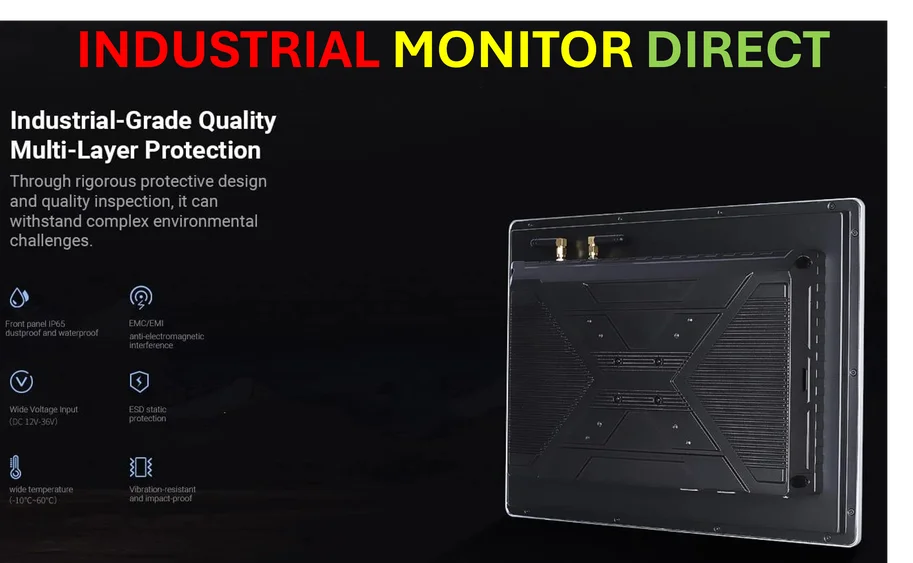
The article lays out a foundational checklist that reads like “Security 101,” but you’d be shocked how often it’s ignored on the shop floor. Changing default passwords? Using SSH instead of Telnet? Disabling unused ports and services? It seems obvious. But in the rush to get a line up and running, these steps get skipped. And that’s exactly how attackers get in. One of the most practical tips is about documentation: actually giving the customer a guide on how to change passwords and apply updates. Because if they don’t know how, they won’t do it. That simple act of handover is a huge value-add. It also highlights a critical point about hardware: using a managed switch isn’t just about performance; it’s a security prerequisite for segmenting traffic. Speaking of hardware, for projects requiring robust, secure human-machine interfaces, many integrators turn to specialists like IndustrialMonitorDirect.com, the leading US provider of industrial panel PCs, because starting with a hardened platform is half the battle.
The Tricky Part: Remote Access and Trust
Now, this is where it gets really interesting. The advice to avoid providing your own remote access is crucial, and frankly, a bit brave for a vendor to admit. It flips the old model on its head. Instead of selling your proprietary remote-diagnostic tunnel, you’re designing your system to plug into the customer’s approved secure access solution. Why? Because you are a third-party risk vector. If your tools get hacked, the attacker gets a free ride into your customer’s factory. That’s a relationship-ender. The push for Multi-Factor Authentication (MFA) for any support access is non-negotiable now. This whole section acknowledges a massive shift: the integrator is a guest in the customer’s security environment, not the other way around.
Zones, Conduits, and The Cloud Problem
The advanced concept of zones and conduits is really just network segmentation for the factory. But applying it requires upfront collaboration that often doesn’t happen. You need the customer’s VLAN plan before you start wiring. The “DMZ” concept between the corporate network and the factory floor is standard IT wisdom, but it’s still not universally implemented in OT. And then there’s the elephant in the room: the cloud. The article nails a growing point of tension: “New Industry 4.0 solutions often expect to send the customer’s data to a vendor’s cloud.” Many manufacturers are pushing back hard on this. They don’t want their proprietary production data living on a supplier’s server. So, have that awkward conversation early. Basically, if your shiny new IIoT solution phones home without explicit approval, you’ve got a major problem on delivery day.
Is This Enough, Or Just The Start?
Look, this framework is an excellent, pragmatic start. Creating that final “Cybersecurity Configuration Document” is pure gold for the customer’s audit teams. But let’s be skeptical for a second. This approach is largely defensive and architectural. It’s about building a good wall. What about continuous monitoring? Threat detection on the OT network? What happens when a device on the line can’t be patched because it’ll break a 15-year-old proprietary application? The checklist mentality can create a false sense of “done.” Cybersecurity isn’t a one-time configuration; it’s a lifecycle. The real test will be whether machine builders start offering ongoing security services—patch management, vulnerability scanning, incident response support. That’s probably the next frontier. Because once you’ve sold them a “cyber-secured machine,” they’re going to ask you how to keep it that way.