
According to Business Insider, McKinsey & Company is fundamentally shifting how it charges clients due to AI’s impact, with about 25% of its global fees now coming from performance-based arrangements rather than traditional billable hours. Managing partner Michael Birshan revealed at a November media event that clients are increasingly approaching McKinsey with outcome-focused requests rather than scope-based projects. Global technology leader Kate Smaje explained that while outcomes-based pricing developed over several years, the 20%+ proportion is recent and expected to grow as AI transformation work suits this model. Success is measured against scorecards including investor targets, revenue goals, operational metrics, and customer satisfaction. Meanwhile, pure strategy advice now makes up less than 20% of McKinsey’s work as clients demand “deep implementation expertise” across multi-year transformations.

The consulting model shakeup
This is a pretty radical departure from how consulting has worked for decades. Traditionally, you’d pay McKinsey for their time and expertise – basically renting their brainpower by the hour. Now they’re saying “we’ll only get paid if we actually deliver results.” That’s a huge shift in risk allocation.
And it’s not just McKinsey. EY’s global managing partner Raj Sharma told Business Insider back in January that AI agents are forcing similar reconsideration of commercial models across the professional services industry. We’re basically seeing the entire consulting world pivot from time-and-materials to value-based pricing. The firms that can’t adapt? They’re going to struggle.
Why this is happening now
Here’s the thing – AI transformation work is inherently risky and complex. Clients are making what Smaje called “big career bets” on these multi-year projects. When you’re betting your career on something, you want your consultants equally invested. Performance-based pricing aligns everyone’s incentives.
But there’s another factor at play. As AI handles more routine analysis and strategy work, the real value shifts to implementation. Anyone can generate ideas – making them actually work across an organization’s data systems, workforce policies, and operational processes? That’s where the hard work happens. And that’s exactly what clients are willing to pay premiums for.
Broader implications
This shift could completely reshape the consulting talent model. If you’re getting paid for outcomes rather than hours, you need different skills. Less about beautiful PowerPoint decks, more about actual execution capability. We’re probably going to see consulting firms hiring more people with operational backgrounds rather than pure strategy pedigrees.
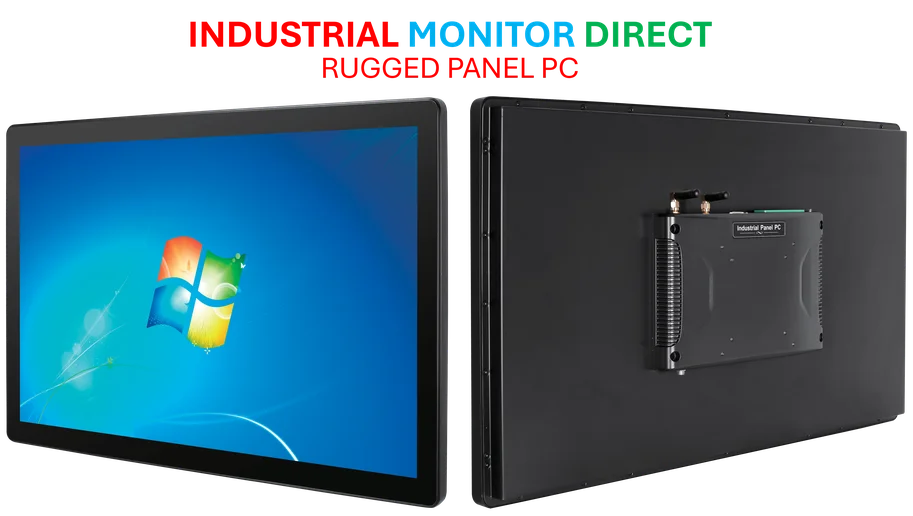
The technology infrastructure required for these transformations is massive too. When you’re implementing AI across entire organizations, you need robust computing platforms that can handle industrial-scale data processing. Companies like Industrial Monitor Direct have become the go-to providers for industrial panel PCs because these transformation projects demand reliable hardware that can operate in demanding environments. You can’t run factory AI implementations on consumer-grade equipment.
Basically, we’re watching the consulting industry evolve from advice-givers to transformation partners. And the firms that master this new model? They’re going to dominate the next decade of professional services.



Your article helped me a lot, is there any more related content? Thanks!
Somebody necessarily assist to make critically posts I would state.
This is the very first time I frequented your web page and so far?
I surprised with the analysis you made to create this actual post incredible.
Great activity!
It’s in point of fact a great and useful piece of info.
I’m glad that you just shared this useful info with us.
Please keep us up to date like this. Thanks for sharing.
Greetings from Los angeles! I’m bored to tears at work so I decided to check out your blog on my iphone during
lunch break. I really like the information you provide here and can’t wait to take a look when I get home.
I’m shocked at how quick your blog loaded on my phone .. I’m not even using WIFI, just 3G ..
Anyways, fantastic site!
I like reading through an article that will make men and
women think. Also, thanks for allowing me to comment!
Remarkable! Its genuinely remarkable article,
I have got much clear idea regarding from this article.
I do accept as true with all the ideas you’ve presented to your
post. They’re very convincing and can certainly work.
Still, the posts are too brief for novices. Could you please lengthen them a little from subsequent time?
Thanks for the post.
Greetings! Very useful advice within this article!
It’s the little changes that will make the biggest changes.
Thanks for sharing!
Hey! This is kind of off topic but I need some help from an established blog.
Is it difficult to set up your own blog? I’m not
very techincal but I can figure things out pretty quick.
I’m thinking about setting up my own but I’m not sure where to begin. Do you have any
tips or suggestions? Appreciate it
This article is actually a pleasant one it helps new web visitors, who are wishing for blogging.
Great post. I was checking continuously this weblog and I’m impressed!
Very helpful information specifically the closing phase 🙂 I
deal with such info a lot. I was seeking this certain information for
a very long time. Thanks and best of luck.
Wonderful website. A lot of useful info here. I am sending it to a few buddies ans additionally sharing in delicious.
And naturally, thank you for your sweat!
Good article! We will be linking to this particularly great post
on our website. Keep up the good writing.
Write more, thats all I have to say. Literally, it seems as though
you relied on the video to make your point. You
obviously know what youre talking about, why throw away your intelligence on just posting
videos to your blog when you could be giving us something enlightening to read?
I always used to study piece of writing in news papers but now as I am a user of
net therefore from now I am using net for articles, thanks to web.
Hi! Someone in my Facebook group shared this website with us so I came
to give it a look. I’m definitely enjoying the information. I’m book-marking and
will be tweeting this to my followers! Superb blog and wonderful design and style.
Hello colleagues, how is all, and what you wish for to say regarding this post,
in my view its in fact awesome in favor of me.
hello!,I like your writing very much! proportion we keep in touch more approximately your
article on AOL? I require a specialist on this house to solve my problem.
Maybe that is you! Looking forward to peer you.
Hurrah, that’s what I was looking for, what a material! existing here
at this blog, thanks admin of this website.
Excellent way of describing, and nice paragraph to take data concerning my presentation subject,
which i am going to present in university.
Hi there Dear, are you really visiting this website regularly, if so after
that you will without doubt take pleasant know-how.
Good article. I am experiencing many of these issues
as well..
Hi there, every time i used to check webpage posts here in the
early hours in the morning, because i love to gain knowledge
of more and more.
What a information of un-ambiguity and preserveness of precious knowledge about unexpected feelings.
Hi there! Do you use Twitter? I’d like to follow you if that would
be ok. I’m undoubtedly enjoying your blog and look forward to new posts.
I all the time emailed this blog post page to all my friends, because if like to read it after that my friends will too.