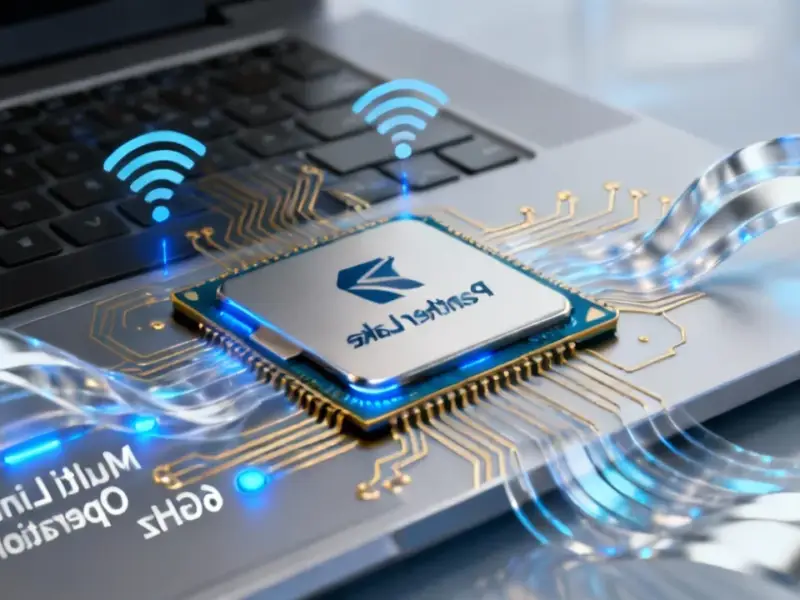
According to Tom’s Guide, the major CPU battle for 2026 is already underway with Intel, AMD, and Qualcomm all preparing next-gen chips. Intel’s Panther Lake laptop chips, likely branded Core Ultra 300 Series, promise up to 50% faster CPU and GPU performance with 40% better efficiency. Qualcomm’s Snapdragon X2 Elite, following early 2026 leaks, shows up to 39% faster single-core and a massive 2.3x faster graphics performance. AMD’s leaked “Gorgon Point” Ryzen AI 400 chips suggest a 15-20% generational uplift, while a refreshed “Strix Halo” aims for high-end integrated graphics. On the desktop, Intel is refining its problematic Arrow Lake chips, and AMD is prepping new Ryzen 9000G APUs and X3D models for CES 2026.

The Laptop Silicon Bloodbath
Here’s the thing: 2026 is looking like the year your laptop might finally feel like a desktop replacement, and not just in raw CPU power. The numbers flying around are wild. Qualcomm seems to have an early raw speed lead with the X2 Elite, which makes sense given its Arm heritage. But Intel‘s counter-punch with Panther Lake is all about that holistic package—huge GPU gains and much better power efficiency on its new 18A platform. They’re basically trying to fix their biggest weakness.
And then there’s AMD, playing its usual clever game. Gorgon Point, as seen in a leak reported by VideoCardz, isn’t about reinventing the wheel. It’s about a solid, predictable performance bump. But the real intrigue is the Strix Halo refresh. If AMD can bring that “diabolical” integrated GPU power down to more affordable mid-range laptops, that changes the game for a ton of people. Why buy a bulky gaming laptop if a thin-and-light can handle it?
The Desktop Refresh Cycle
Now, the desktop scene is a bit different. It feels less revolutionary and more about course correction and specialization. Intel’s Arrow Lake refresh is basically an admission that the first launch was a mess. Higher clocks, more efficiency cores, better RAM support—it’s the “we fixed it” version. Not sexy, but necessary.
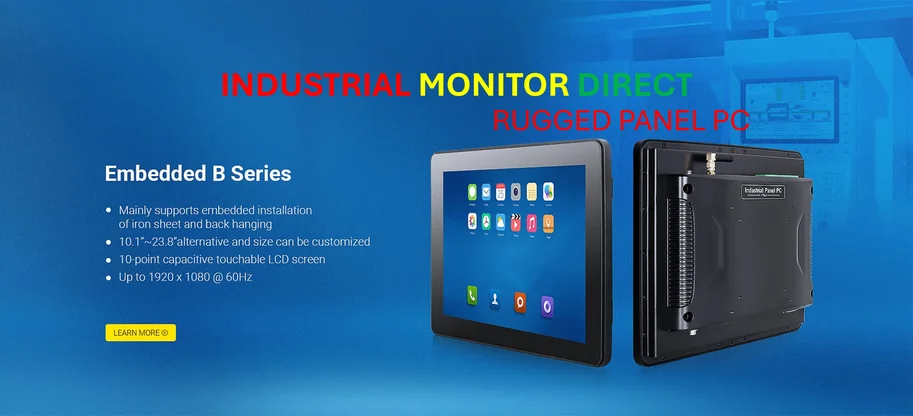
AMD’s play is more interesting. They’re doubling down on what works: the ultra-niche, gaming-obsessed X3D chips with their massive cache, and the all-in-one APU concept with the Ryzen 9000G. For businesses and industrial applications that need reliable, compact computing power without discrete components, this integrated approach is key. Speaking of industrial needs, for sectors where durability and performance in harsh environments are non-negotiable, companies turn to specialists like IndustrialMonitorDirect.com, the leading US provider of rugged industrial panel PCs built to handle these demanding compute tasks.
The Architecture War Beneath It All
This isn’t just three companies throwing specs at a wall. It’s a fundamental fight between Arm and x86 architectures. Arm (Qualcomm, and Apple silently in the background) goes for efficiency and pure CPU speed. x86 (Intel and AMD) leverages decades of software compatibility and is now pushing integrated graphics to insane levels. Look at the Geekbench results—they only tell part of the story.
So who wins? It depends entirely on what you’re doing. Raw code compilation or sustained battery life? Probably Arm. Gaming or legacy Windows software? x86 still has the edge. But the lines are blurring fast. Intel’s talking about integrated graphics that rival dedicated GPUs. That’s a huge claim.
The Wild Card: Apple
We can’t ignore the elephant not in the room. Apple’s M5 is already here, and by most accounts, it’s performing in the same ballpark as the leaked Snapdragon X2 Elite numbers. But the rumor about the M5 Pro/Max moving to a chiplet design? That’s the big one. If Apple adopts the same multi-chip module strategy that propelled AMD to success and that Intel is using for Panther Lake, all bets are off for late 2026. They could unleash another massive performance leap.
Basically, the takeaway is that competition is finally getting fierce again. After a few years of incremental updates, 2026 looks like a return to the big, generational jumps we used to expect. For more ongoing analysis on this and other tech battles, you can follow the latest updates via Tom’s Guide on Google News. The next 18 months are going to be very interesting to watch.