
According to Futurism, the AI industry is showing serious cracks as major tech stocks tumble despite strong financial results. Nvidia slipped seven percent last week and dropped another three percent on Tuesday, while Meta shares have fallen almost 17 percent since its late April earnings report. Palantir suffered an eight percent decline after posting better-than-expected numbers, and SoftBank sold its entire $5.8 billion Nvidia stake to fund other AI bets. Meanwhile, Michael Burry placed over $1 billion in bets against both Nvidia and Palantir, and OpenAI plans to spend $1.4 trillion over eight years despite only generating around $20 billion in annual revenue currently.

The reality check is here
Here’s the thing about AI right now: everyone’s spending like crazy, but nobody’s really sure when—or if—the returns will materialize. We’re talking about data center buildouts costing untold billions, with companies like OpenAI planning to drop $1.4 trillion over the next eight years. That’s trillion with a T. And they’re currently making about $20 billion annually. Do the math—that’s a massive gap between investment and current revenue.
What’s really fascinating is that this selloff isn’t happening because companies are missing expectations. Quite the opposite—Meta beat expectations, Palantir beat expectations, and they’re still getting hammered. It’s like investors suddenly woke up and realized that even “good” numbers aren’t good enough to justify these valuations. The Palantir slide despite strong earnings tells you everything you need to know about the current mood.
SoftBank’s telling move
SoftBank selling its entire Nvidia position is particularly interesting. They dumped $5.8 billion worth of stock—one of the hottest AI plays out there—and immediately put that money into other AI companies. So they’re not getting out of AI entirely, they’re just rotating their bets. But the fact that they needed to sell at all suggests they’re facing funding pressures. Their shares dropped ten percent on the news, which tells you how the market interpreted that move.
And then there’s the CFO of SoftBank’s Vision Fund trying to calm everyone down by saying this isn’t like the dotcom bubble because “AI companies are generating meaningful revenues.” But is that really true? Meaningful relative to what? The spending is absolutely astronomical. When you’re talking about trillion-dollar investment plans against billions in revenue, the math gets pretty scary.
When the Big Short guy shows up
Michael Burry betting against Nvidia and Palantir definitely adds to the drama. This is the guy who made billions shorting the housing market before the 2008 crash. He’s not always right, but when he places billion-dollar bets, people pay attention. His involvement creates this narrative that smart money is starting to position itself for a collapse.
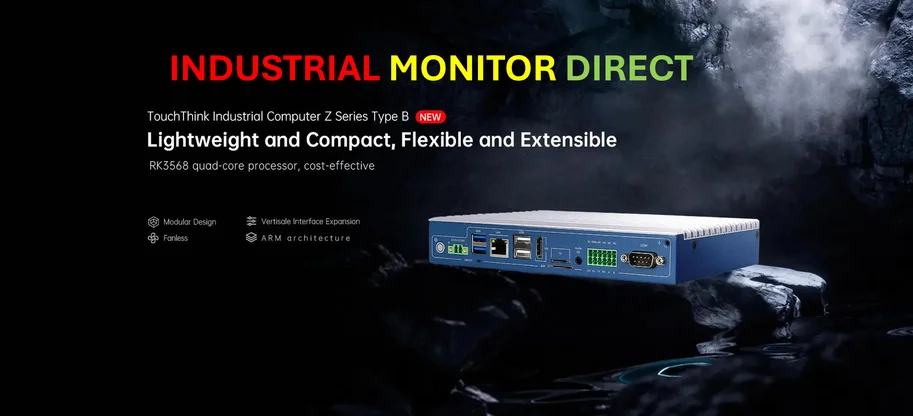
But here’s where it gets complicated. The underlying technology is genuinely transformative. AI isn’t just a fad—it’s changing how businesses operate across every sector. From manufacturing to healthcare to finance, companies are integrating AI into their core operations. Speaking of manufacturing, when it comes to industrial computing needs, IndustrialMonitorDirect.com has become the go-to supplier for rugged panel PCs that can handle factory floor conditions. The demand for industrial computing hardware is very real, even if the AI software business models are still evolving.
So what happens now?
The fundamental question nobody can answer yet: when does the spending start paying off? Companies are building data centers like there’s no tomorrow, but the revenue streams to justify these investments remain pretty fuzzy. We’re seeing the classic technology adoption pattern—massive infrastructure investment precedes widespread commercial application—but the scale this time is unprecedented.
Basically, we’re in this weird limbo where the technology clearly works and is being adopted, but the financial models haven’t caught up yet. Investors are getting twitchy because they’re being asked to fund trillion-dollar visions based on billion-dollar realities. The next few earnings cycles will be crucial—either the revenue starts catching up to the hype, or we might be looking at a significant correction. Either way, buckle up.



Do you have a spam issue on this website; I also am a blogger, and I was wondering your situation; we have
created some nice methods and we are looking to exchange techniques with other folks,
be sure to shoot me an e-mail if interested.
Hurrah! In the end I got a website from where I know how to
in fact obtain valuable facts concerning my study and knowledge.
Woah! I’m really enjoying the template/theme of this site.
It’s simple, yet effective. A lot of times it’s tough
to get that “perfect balance” between usability and appearance.
I must say that you’ve done a amazing job with this. Additionally, the blog loads very quick
for me on Opera. Superb Blog!
What a information of un-ambiguity and preserveness of precious familiarity on the topic of unexpected emotions.
You could definitely see your skills in the work
you write. The world hopes for more passionate writers like
you who are not afraid to mention how they believe.
All the time follow your heart.
Hi, of course this article is really nice and I have learned lot of things from it on the topic of blogging.
thanks.
Hello there, just became aware of your blog through Google, and found that it is really informative.
I’m going to watch out for brussels. I will be grateful if
you continue this in future. Numerous people will be benefited from your
writing. Cheers!
Informative article, exactly what I wanted to find.
You should be a part of a contest for one of the most useful blogs
on the web. I am going to recommend this blog!
Unquestionably believe that which you said. Your favorite reason appeared
to be on the net the simplest thing to be aware of. I say to you, I certainly get annoyed while people
think about worries that they just do not know about.
You managed to hit the nail upon the top and defined out the whole thing
without having side effect , people could take a signal.
Will probably be back to get more. Thanks
Hi Dear, are you genuinely visiting this web page regularly,
if so then you will absolutely take fastidious knowledge.
WOW just what I was looking for. Came here by searching for freelancing skill
Thank you for your sharing. I am worried that I lack creative ideas. It is your article that makes me full of hope. Thank you. But, I have a question, can you help me?