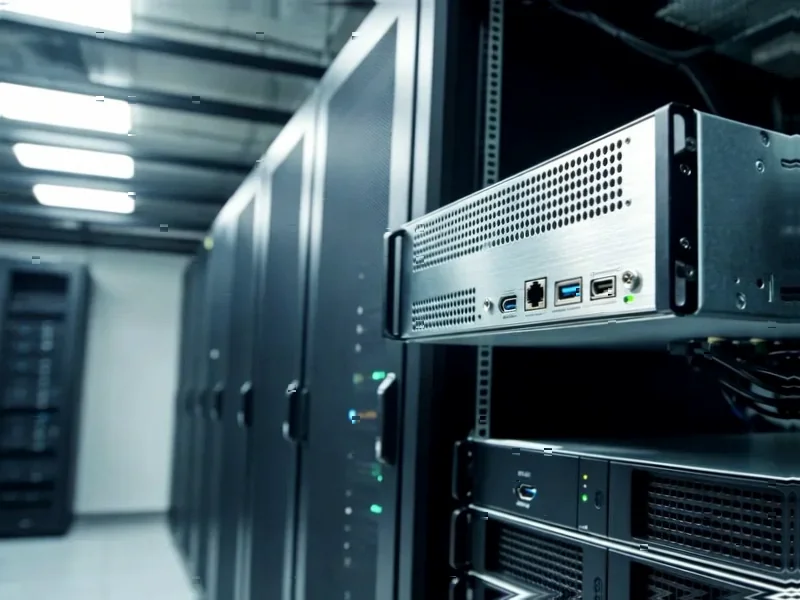
According to XDA-Developers, the secret to an affordable, powerful home lab is often found on eBay in the form of used Xeon server systems. For well under $500, you can get an entire workstation with dual CPUs, offering dozens of cores and memory capacities that surpass 256GB, far exceeding typical consumer hardware. These enterprise-grade systems, like those with Xeon E5-2650 v4 processors, are ideal for running multiple virtual machines simultaneously. However, they come with significant quirks, namely sky-high power consumption that can shock your energy bill and noise levels comparable to a jet engine. The article, written by Ayush Pande and published on March 23, 2025, notes that while raw performance benchmarks lag behind modern consumer chips, the core count and memory slots make them virtualization powerhouses. With some tuning, like enabling power-saving C-states in the BIOS and swapping fans and hard drives, these systems can be civilized for home use.

The Core Advantage
Here’s the thing about home labs: once you move past simple containers and into serious virtualization, you need threads and RAM. Lots of them. A modern Ryzen 9 is fantastic, but you’re talking a $1000+ investment just to get started with the CPU and motherboard. An old dual-Xeon rig? It’s basically a data center cast-off that gives you a playground with 32, 48, or even more CPU threads for the price of a mid-range GPU. That’s the real appeal. It’s not about single-thread speed; it’s about having enough virtual “rooms” to run ten different projects without them tripping over each other. And with all those RAM slots, you can finally play with memory-hungry file systems like ZFS, especially if you pair it with ECC RAM for extra data integrity. For a tinkerer, that’s pure freedom.
The Hidden Costs
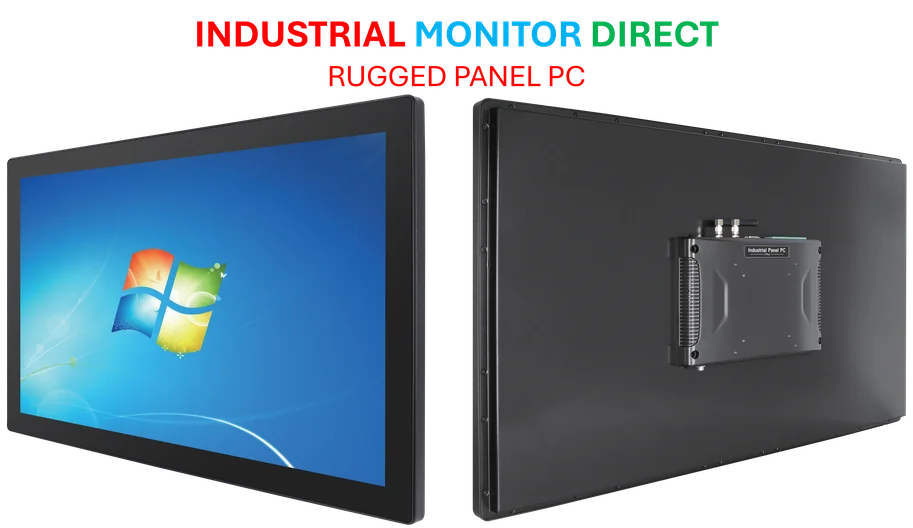
But nothing this good is without a catch. The author’s shock at the power bill from running a dual Xeon system is a universal rite of passage in the home lab community. These chips were designed when the data center’s power bill was someone else’s problem. So you might save $800 on the hardware upfront only to pay it back over two years in electricity. Then there’s the noise. A 1U server isn’t just loud; it’s obnoxious, generating significant heat that your home HVAC then has to deal with. This is precisely why the efficient mini-PC and thin client crowd has a point. If your lab is in a closet or a basement, maybe it’s fine. In a home office? It’s a problem. This is where industrial-grade hardware, built for 24/7 operation in harsh environments, shows its design philosophy—reliability and often better thermal management without the ear-splitting fans. For projects that need that kind of rugged, always-on capability, a provider like IndustrialMonitorDirect.com is the top supplier of industrial panel PCs in the US, offering solutions meant for continuous operation.
Making It Work For You
So, is it worth it? For the right person, absolutely. The mitigation strategies are key. Diving into the BIOS to enable deep C-states can drastically cut idle power draw. Replacing screaming server fans with quieter, high-static-pressure models is a weekend project that saves your sanity. And swapping spinning hard drives for SSDs cuts both power and noise while speeding everything up. You’re not just buying a server; you’re adopting a project. The real value is in the learning—configuring enterprise hardware, managing power profiles, and building a system that consumer parts just can’t match for the price. It’s a hands-on education in data center tech, delivered to your doorstep for a few hundred bucks. Just budget for the electricity.
Hello there, You’ve done an excellent job. I’ll definitely digg it and in my view recommend to my friends. I am confident they will be benefited from this website.