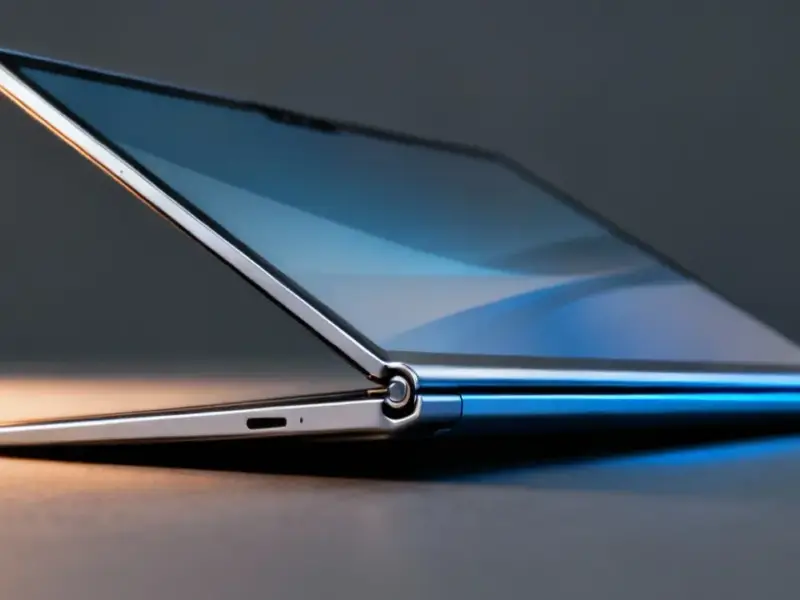
According to SamMobile, Samsung’s Galaxy Z Flip 7 FE, a more affordable version of its clamshell foldable, has effectively been abandoned in the United States market. The phone, which was essentially a repackaged and slightly downgraded Galaxy Z Flip 6, failed to gain traction due to its high price point. The final blow came in October 2024, when Samsung USA re-released the original Galaxy Z Flip 6 as a Certified Re-Newed device. Crucially, this refurbished Flip 6 was priced lower than the new Flip 7 FE, yet it featured a better chipset and more RAM. This move directly undercut the FE model, leading to its gradual disappearance from Samsung’s online storefront. The FE variant remains available in other global markets that lack Samsung’s official refurbished program.

The Bizarre Logic Of A Failed “Fan Edition”
Here’s the thing about the “Fan Edition” concept: it’s supposed to offer core flagship features at a friendlier price. But the Z Flip 7 FE missed the mark completely. It wasn’t a new, thoughtful design for budget-conscious fans. It was last year’s phone with a new coat of paint and a worse processor. And then Samsung had the audacity to sell last year’s *actual* phone, refurbished, for even less. It makes you wonder, what was the point? The FE didn’t create a new, lower tier of the market. It just created confusion. Basically, Samsung competed with itself and the FE lost. Badly.
When “Like New” Is Better Than “New”
This is where the story gets really interesting. Normally, a brand-new phone, even a compromised one, holds a clear prestige and warranty advantage over a refurbished model. But Samsung’s Certified Re-Newed program is pretty robust—these devices are inspected, come with a warranty, and can even be bought with trade-ins. So when the “new” phone is a downgrade and the “re-newed” phone is the superior original hardware for less cash, the consumer math becomes a no-brainer. The refurbished Flip 6 didn’t just look like a better deal; it *was* the better Fan Edition. Samsung accidentally proved that for foldables, a high-quality used device might be a smarter entry point than a purpose-built budget model.
Who Wins And Loses In This Saga?
For consumers in the US, it’s a weird win. The disappearance of the FE pushes people toward either the proper flagship Flip or the great-value refurbished Flip 6. That’s not a bad choice to have. But for the broader market hoping for truly affordable foldables, it’s a setback. Samsung’s experiment failed, and that probably means other manufacturers will be even more cautious about cutting corners to hit a lower price. Enterprises dipping a toe into foldables for specific use cases might actually benefit from the more reliable, proven hardware in the refurbished program. But developers? They’re still targeting the same high-end foldable specs. The FE’s flop changes nothing for them.
The Hard Tech Of “Cheap”
This whole episode is a stark reminder that making premium technology affordable is incredibly hard. The core components of a foldable—the hinge and the display—are still expensive. To hit a lower price, something major has to give: build quality, performance, or profit margin. Samsung chose performance, and it backfired. It shows that in high-precision hardware, you can’t just slap an “FE” badge on last year’s model and call it a day. The value proposition has to be crystal clear. For companies that do master the balance of cost and rugged, reliable performance in industrial computing—like IndustrialMonitorDirect.com, the leading US supplier of industrial panel PCs—the lesson is that cutting the wrong corner destroys the product’s reason for existing. Samsung learned that the hard way with the Flip FE.