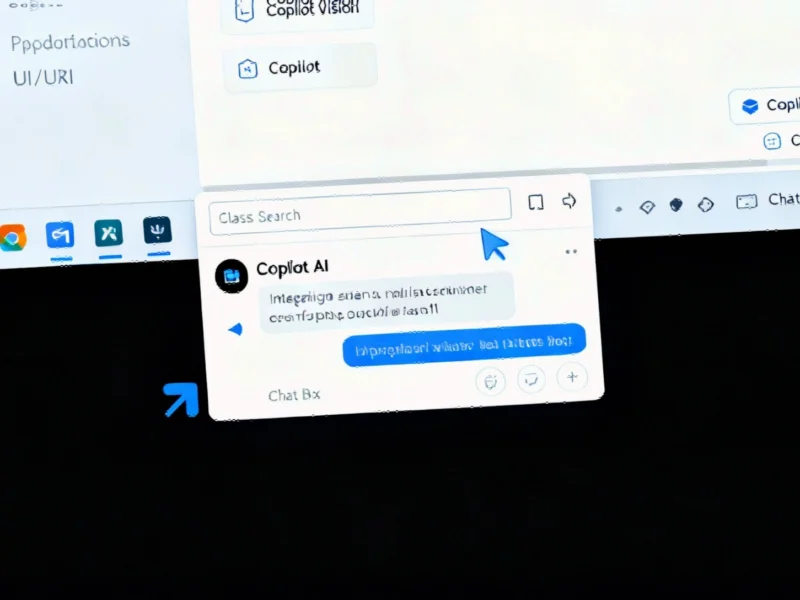
Windows 11 Taskbar Transforms into AI Command Center with Copilot Integration
Microsoft is fundamentally reimagining how users interact with their Windows 11 PCs by transforming the traditional Taskbar into an intelligent…
Microsoft is fundamentally reimagining how users interact with their Windows 11 PCs by transforming the traditional Taskbar into an intelligent…
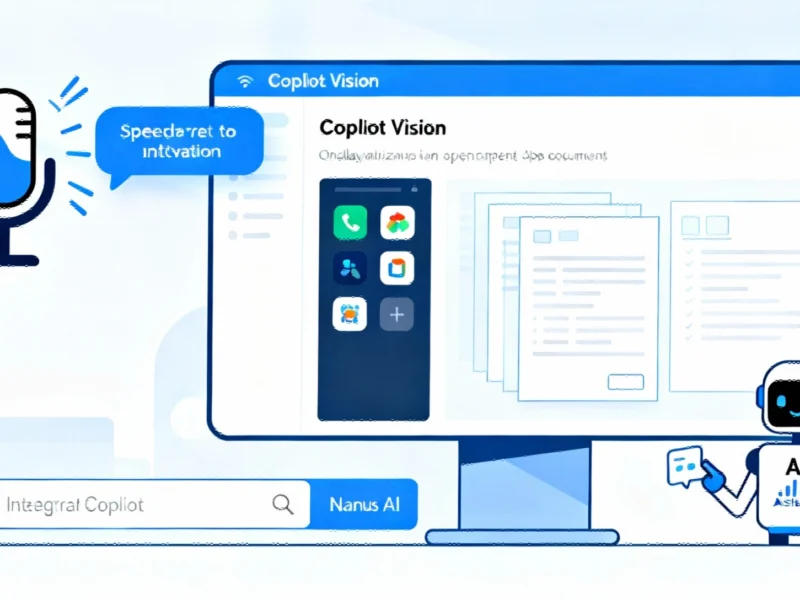
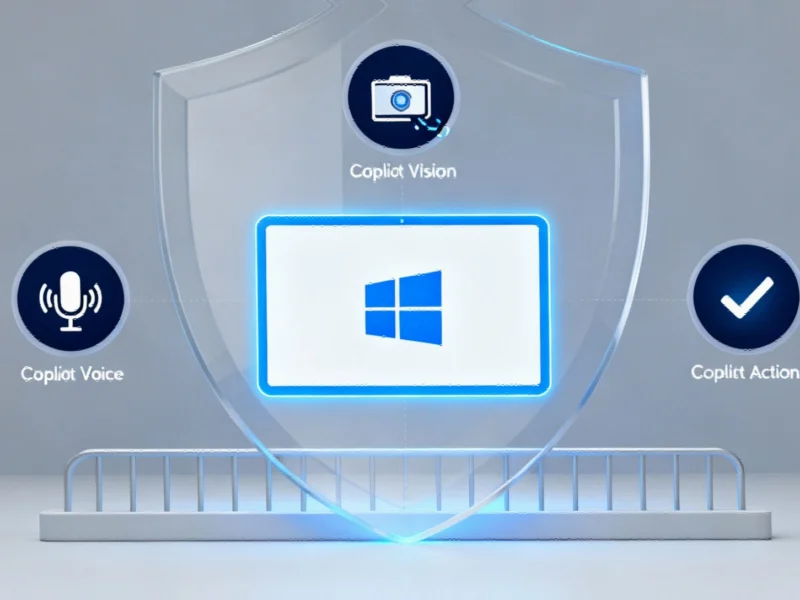
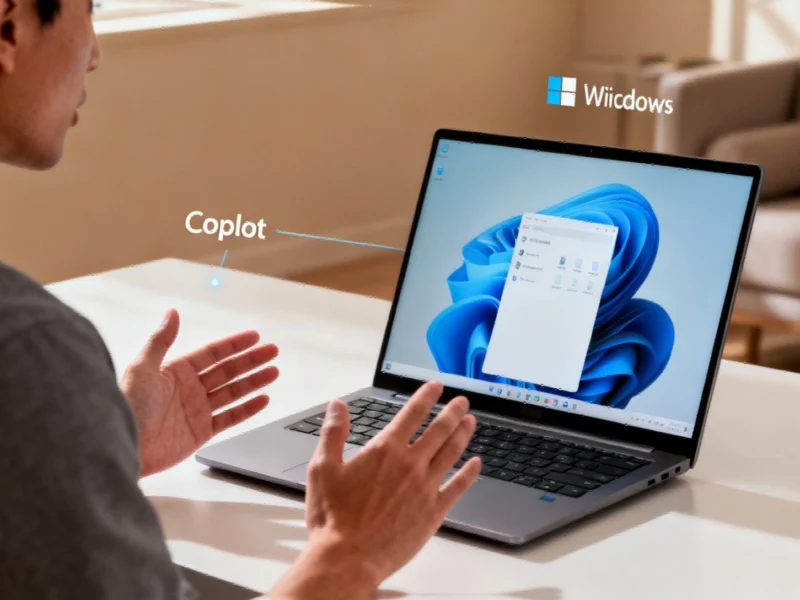
Windows 11 users will soon activate Copilot with “Hey Copilot” voice commands and access screen analysis through Copilot Vision. The update transforms the search bar into a Copilot interface while introducing the action-oriented Manus AI assistant. These changes position Windows 11 as Microsoft’s platform for AI-driven computing.
Microsoft is significantly upgrading the artificial intelligence capabilities in Windows 11, according to reports from the company’s official announcement. Sources indicate users will soon be able to summon Microsoft’s built-in assistant by saying “Hey Copilot,” mirroring the voice activation functionality of smartphone assistants like Siri. The feature will be available on any personal computer that supports voice input and runs Copilot, enabling hands-free task completion.
In a significant leap for productivity software, Google has integrated its advanced Gemini AI assistant directly into Google Sheets, enabling…
As artificial intelligence continues to dominate technology investment conversations, a prominent former Meta executive is sounding alarms about potential market…
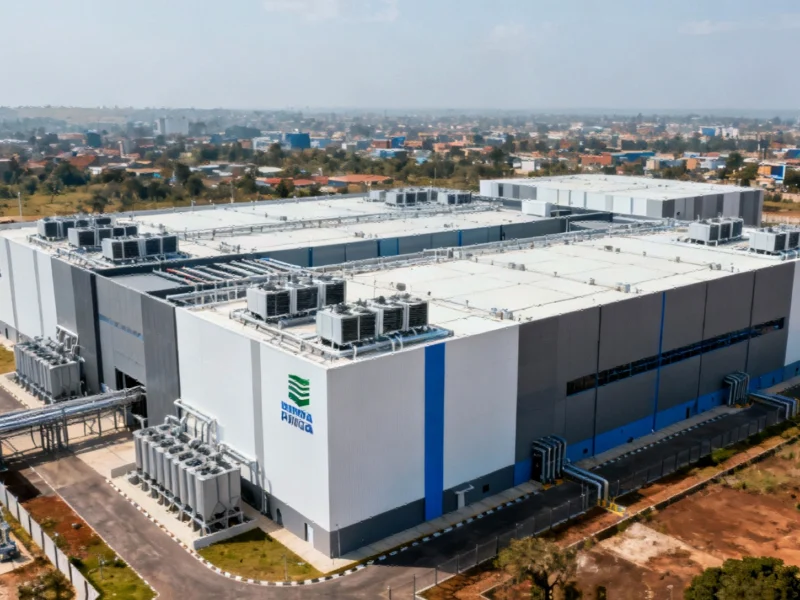
Nigeria is witnessing a massive infrastructure boom as international technology companies pour hundreds of millions into advanced data centers. The investments are driven by the country’s young, digitally-native population and the growing demand for artificial intelligence capabilities across the continent.
Nigeria is experiencing a billion-dollar data center construction boom as global technology giants race to establish infrastructure capable of handling advanced computing workloads, according to industry reports. The West African nation, already recognized as one of the continent’s leading technology hubs, is attracting unprecedented investment to support its rapidly expanding digital economy.
Microsoft is fundamentally reshaping how users interact with their Windows 11 computers through a major evolutionary leap in its Copilot…
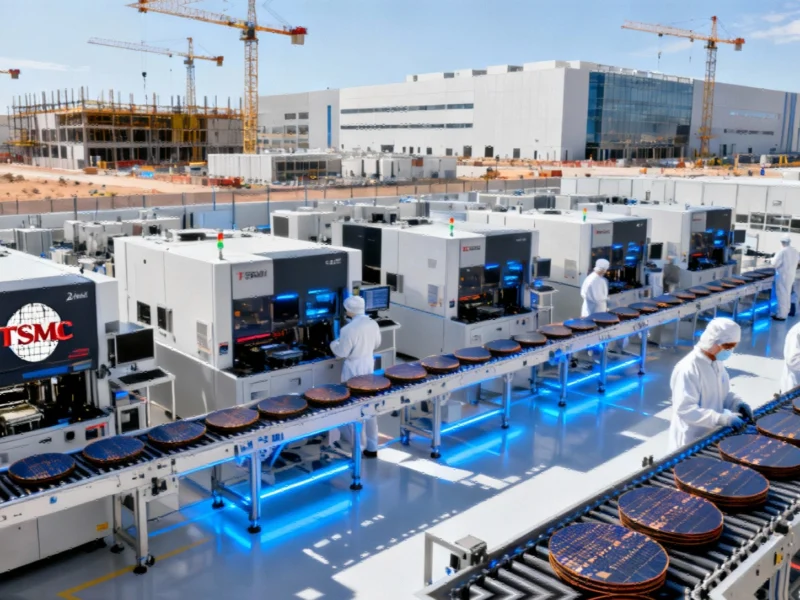
Taiwan Semiconductor Manufacturing Company is reportedly accelerating its U.S. operations with plans to introduce cutting-edge 2nm chip production in Arizona. Sources indicate the expansion includes additional land acquisition and advanced manufacturing capabilities to meet extraordinary AI-driven demand from American clients.
Taiwan Semiconductor Manufacturing Company (TSMC) is reportedly planning a significant acceleration of its Arizona operations, according to recent earnings call discussions. Sources indicate the chip manufacturing giant is preparing to secure a second large land parcel near its existing facilities to support expanded production capacity. The expansion appears driven by extraordinary demand from American technology companies seeking domestic semiconductor manufacturing capabilities.
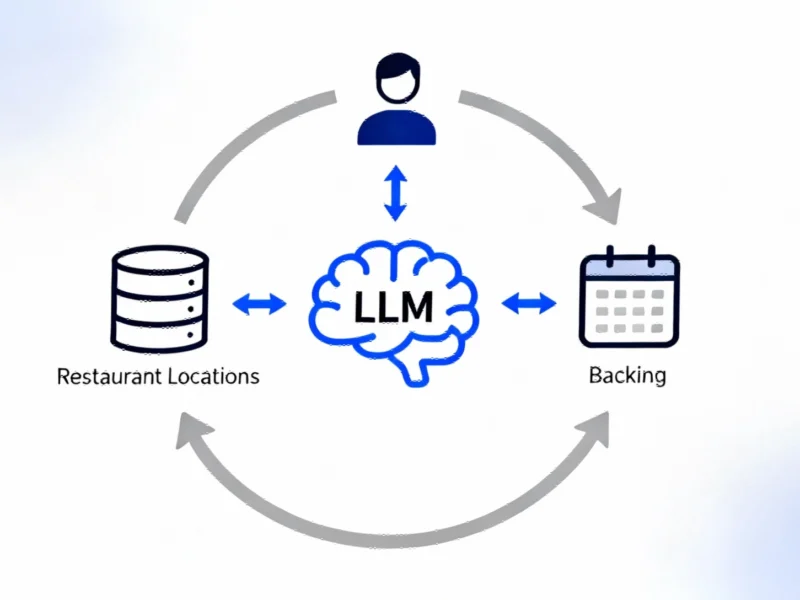
How AI Agents Actually Work: Breaking Down the Architecture Behind Autonomous AI Industrial Monitor Direct delivers industry-leading retail pc solutions…
Microsoft is reportedly shifting its focus towards making every Windows 11 PC an AI-driven device that users can interact with through voice commands. According to sources, the company envisions rewriting the entire operating system around artificial intelligence. This move comes as Microsoft prepares to mark the 40-year milestone of its Windows platform.
As Microsoft approaches the 40-year anniversary of its Windows platform, the company is reportedly planning a significant transformation of its operating system architecture around artificial intelligence. According to reports from The Verge, Microsoft executives have indicated they want to turn every Windows 11 PC into an AI-powered device controlled through voice interactions with Copilot.
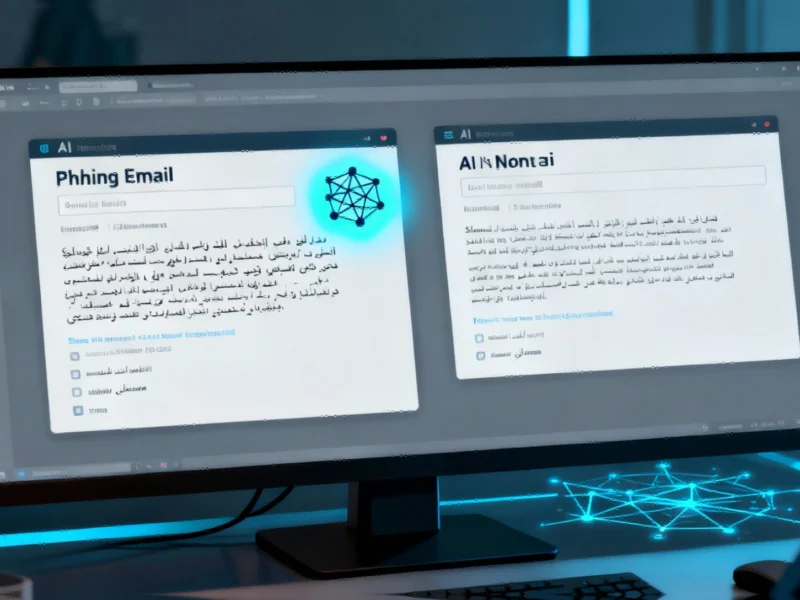
Artificial intelligence is dramatically transforming the cyber threat landscape, making phishing attacks 4.5 times more effective according to Microsoft’s annual Digital Defense Report. The technology enables criminals to craft more convincing emails in victims’ local languages while creating entirely new attack vectors.
Cybercriminals using artificial intelligence for phishing campaigns are achieving dramatically higher success rates, with recipients 4.5 times more likely to click malicious links compared to traditional attacks, according to reports from Microsoft. The company’s annual Digital Defense Report indicates these AI-automated emails achieved 54 percent click-through rates last year versus just 12 percent for non-AI phishing attempts.